 +86-13646196162
 info@hysonindustry.com




 русский
  عربى
عربى 


Pier Column Formwork: Precision Steel Molds for High-Performance Bridge Construction
 2026.09.05
Content
- 1 What Is Pier Column Formwork?
- 2 Engineering Requirements for Bridge Pier Formwork
- 3 Material Selection: Q235B and Q355B Steel
- 4 Modular and Segmented Configuration
- 5 Structural Rigidity and Deformation Resistance
- 6 Precision, Alignment, and Dimensional Stability
- 7 Sealing Performance and Concrete Surface Quality
- 8 Efficient Assembly and Disassembly
- 9 High Turnover and Long-Term Cost Efficiency
- 10 Comparison with Conventional Formwork Solutions
- 11 Customized Solutions for Different Pier Shapes
- 12 Manufacturing Process and Quality Control
- 13 Advanced Steel Fabrication Capabilities
- 14 Welding and Fabrication Reliability
- 15 Integration with Construction Planning
- 16 Safe Handling and Site Operation
- 17 Maintenance, Cleaning, and Storage
- 18 Applications in Infrastructure Projects
- 19 Company Manufacturing Strengths
- 20 OEM and Custom Engineering Services
- 21 Inspection and Acceptance Considerations
- 22 How to Select the Right Pier Column Formwork
- 23 Environmental and Sustainability Benefits
- 24 Frequently Asked Questions
- 24.1 What types of structures can use pier column formwork?
- 24.2 Can the formwork be used for both precast and cast-in-place construction?
- 24.3 Which steel grades are commonly used?
- 24.4 Can circular and rectangular pier formwork be manufactured?
- 24.5 How does steel formwork improve concrete surface quality?
- 24.6 How many times can pier formwork be reused?
- 24.7 What information is needed for a custom quotation?
- 24.8 Is trial assembly available?
- 24.9 What quality standards can be supported?
- 24.10 Can the manufacturer provide related construction equipment?
- 25 Conclusion
- 26 References
- 27 Product: Pier Column Formwork
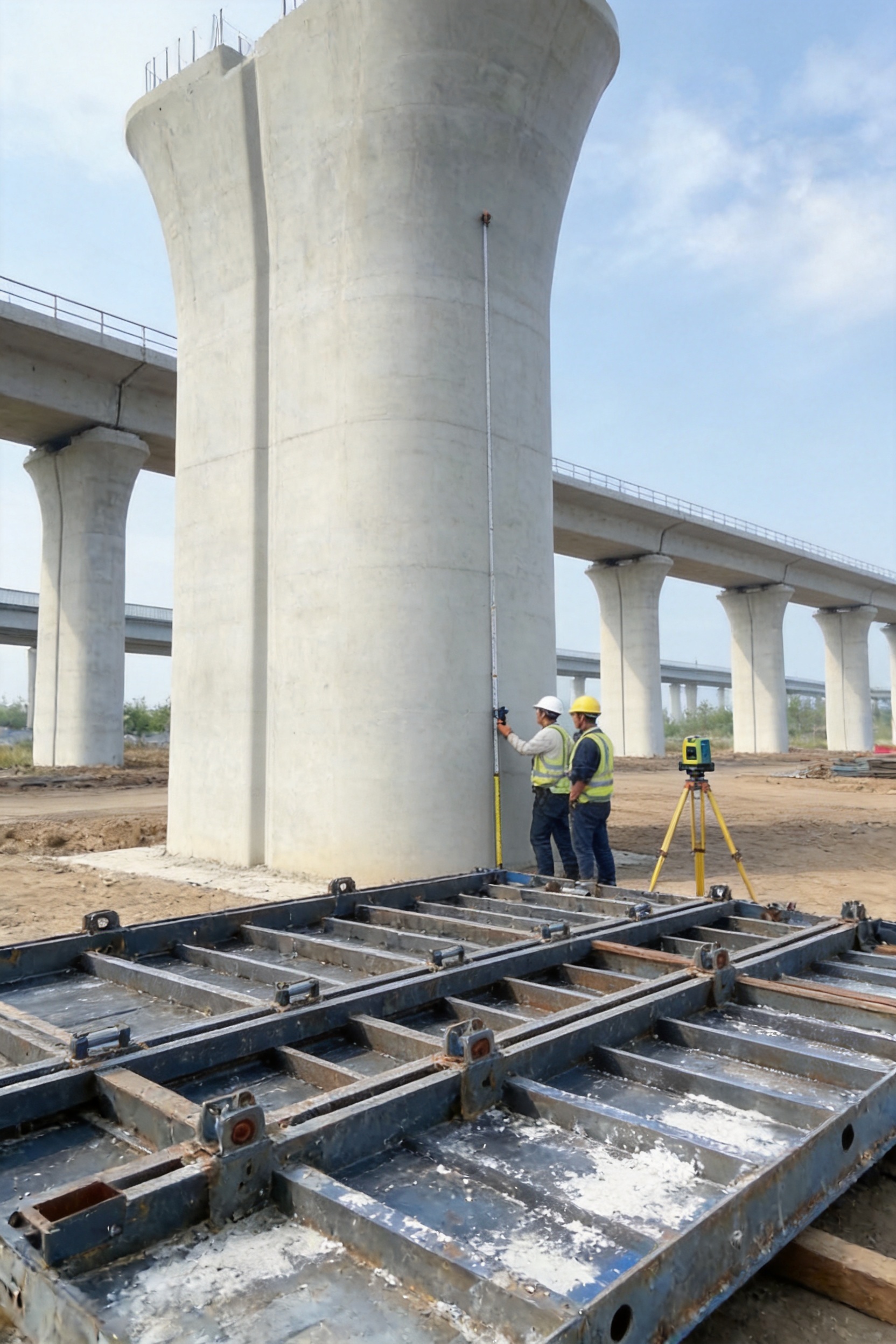
Bridge piers are among the most important load-bearing components in modern transportation infrastructure. They transfer the weight of decks, vehicles, wind, braking forces, and environmental loads safely into foundations. Because pier geometry directly affects structural alignment, durability, and long-term service performance, the formwork used to cast these components must provide exceptional dimensional accuracy, rigidity, sealing performance, and repeatability. Pier column formwork is engineered to meet these demanding requirements in highway, railway, municipal, elevated road, port, and water conservancy projects.
Unlike temporary timber molds or lightly reinforced site-built formwork, steel pier column formwork is designed as a reusable structural production system. Its steel panels, stiffening ribs, connection components, positioning devices, and adjustable segmental configuration work together to control the shape of fresh concrete throughout the entire casting process. When properly designed and manufactured, the formwork resists concrete pressure, limits deformation during vibration, reduces grout leakage, and produces a smooth concrete surface suitable for high-quality architectural or fair-faced finishes.
Nantong Hyson Road And Bridge Formwork Co., Ltd. manufactures customized pier column formwork for precast and cast-in-place construction. The company combines heavy steel fabrication, CNC plate cutting, precision assembly, certified welding, surface treatment, and inspection procedures to produce formwork adapted to project-specific pier dimensions and construction methods. Its manufacturing capabilities also support related bridge formwork, steel structures, scaffolding, and non-standard steel components.
What Is Pier Column Formwork?
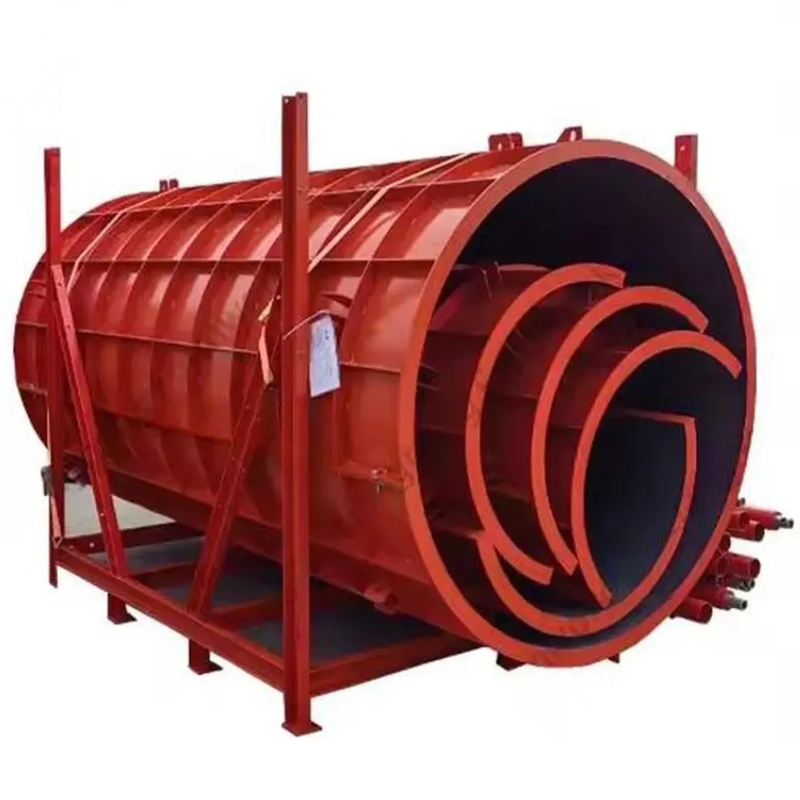
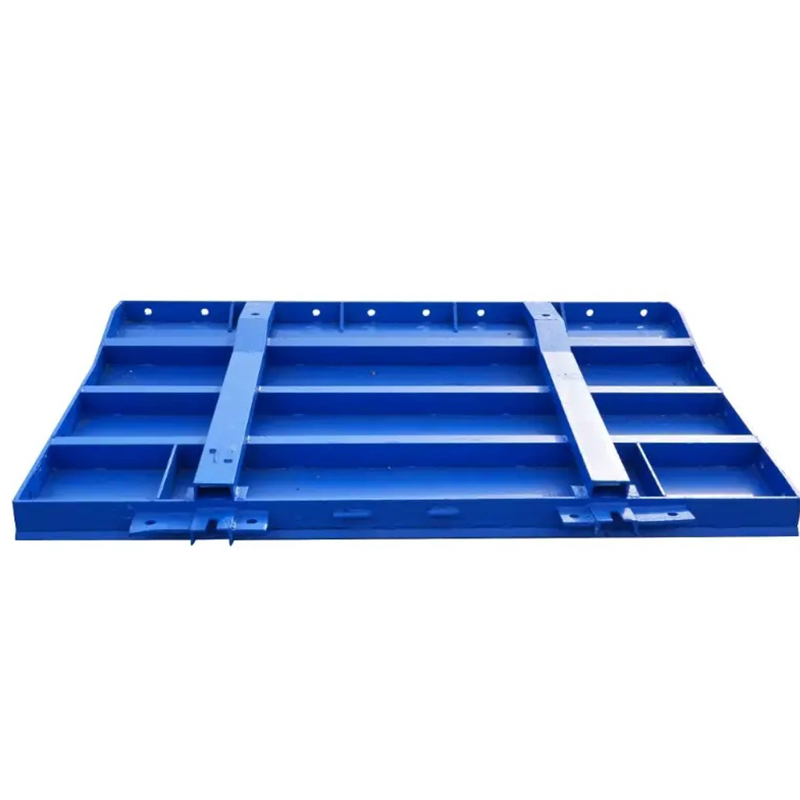
Pier column formwork is a specially engineered steel mold used to shape fresh concrete into bridge piers, columns, pillars, and similar vertical structural members. The system normally consists of curved or flat steel panels, reinforced ribs, connection flanges, bolts, clamps, alignment devices, lifting points, and support accessories. Depending on the pier design, the panels may form circular, rectangular, polygonal, tapered, hollow, or irregular cross-sections.
The formwork creates the external boundary of the concrete component while the reinforcement cage is positioned inside. Once the panels are assembled and aligned, concrete is poured into the cavity in controlled stages. Internal vibration consolidates the mix and removes air voids. During this process, the formwork must resist hydrostatic pressure, vibration impact, local loading, and the weight of attached equipment without losing its designed geometry.
After the concrete reaches the required early strength, the formwork is released and removed for cleaning, inspection, and reuse. Modular systems can then be reassembled at another elevation or transferred to another pier. This cycle makes steel formwork particularly suitable for projects involving many similar columns, where consistency and high turnover are essential.
Engineering Requirements for Bridge Pier Formwork
Bridge pier formwork operates under more demanding conditions than ordinary small-scale concrete molds. Pier heights can be substantial, and the volume of concrete placed in one lift can generate significant lateral pressure. Concrete mixtures may also contain chemical admixtures that extend setting time, increasing the period during which the formwork must resist fluid pressure. Pumping rates, concrete temperature, vibration frequency, and placement sequence all influence the load imposed on the steel panels.
The formwork must maintain verticality and cross-sectional dimensions over its full height. Even small deviations at the base can become significant at the top of a tall pier. Misalignment may cause difficulties when installing pier caps, bearings, precast segments, or bridge deck components. For this reason, connection details, panel tolerances, lifting points, and adjustment devices must be considered during the design stage rather than improvised on site.
Surface quality is another important requirement. Poorly sealed joints can allow cement paste to escape, producing honeycombing, fins, grout lines, and surface cavities. Excessive panel deflection can create dimensional variations or visible bulges. A well-made steel system uses accurately machined edges, reinforced panel backs, controlled joint gaps, and suitable release-agent practices to produce a clean and uniform finish.
Material Selection: Q235B and Q355B Steel
Pier column formwork is commonly manufactured from structural carbon steel grades such as Q235B and Q355B. Q235B offers reliable weldability, good availability, and adequate strength for many standard panel and support applications. Q355B provides higher yield strength and is often selected for heavily loaded ribs, frames, connection components, lifting structures, or formwork intended for demanding operating cycles.
Material selection is determined by the panel size, pier diameter or width, concrete placement height, expected lateral pressure, reinforcement layout, lifting method, and required number of reuses. The objective is not simply to use the thickest possible steel. A properly engineered design distributes loads through the face plate, ribs, circumferential stiffeners, longitudinal frames, flanges, and connections. This produces a formwork system that is strong without becoming unnecessarily heavy or difficult to handle.
Steel thickness and reinforcement spacing are selected to control local plate buckling and overall deformation. The face plate must remain sufficiently stable between ribs, while the back frame must transfer pressure to the joints and external supports. Where formwork sections are large or tall, the design may include additional horizontal walers, vertical stiffeners, adjustable braces, or lifting frames.
Modular and Segmented Configuration
A major advantage of steel pier formwork is its modular and segmented structure. Instead of manufacturing one large, permanently fixed mold, the system is divided into manageable sections. These sections can be joined vertically to achieve different casting heights and connected circumferentially or laterally to create the required cross-section.
Segmental construction simplifies transportation, lifting, assembly, storage, and maintenance. A project team can use the same basic panel family for several pier heights by adding or removing segments. Adjustable connection details can also accommodate minor dimensional variations, construction tolerances, and changes in the pier schedule.
For circular piers, curved panels are assembled around the reinforcement cage to create a continuous cylindrical surface. For rectangular piers, flat panels are joined at corners using flanges, bolts, clamps, or purpose-designed corner assemblies. Polygonal and irregular sections can be produced through custom panel geometry developed from project drawings or three-dimensional models.
Modular formwork also improves project logistics. Smaller sections can be transported using standard vehicles and lifted by commonly available cranes. Damaged components can be repaired or replaced individually rather than discarding the entire mold. This reduces downtime and supports more efficient inventory management on major construction sites.
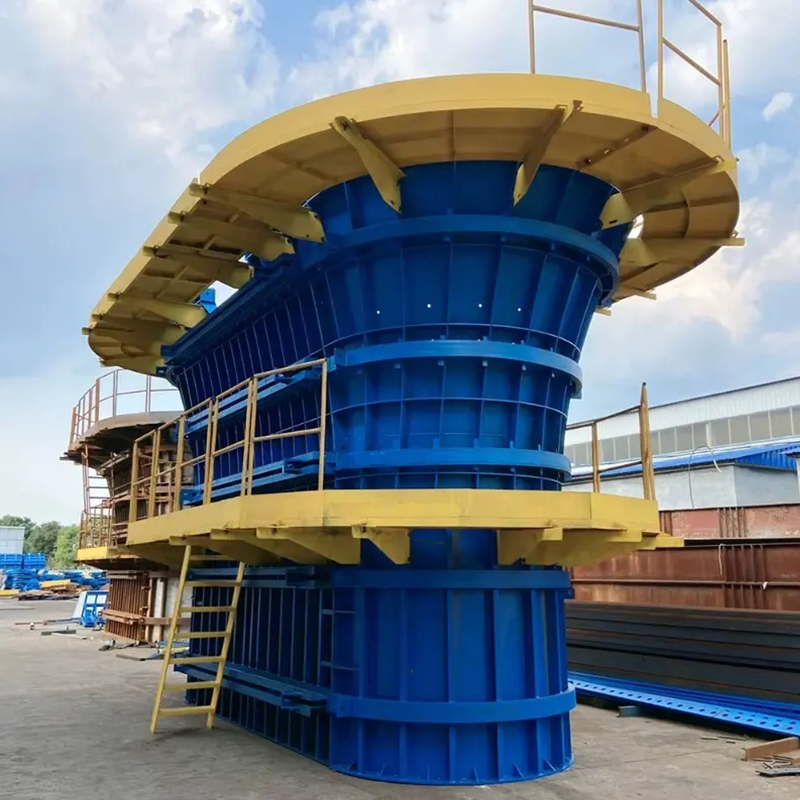
Pier Column Formwork
Structural Rigidity and Deformation Resistance
Concrete exerts lateral pressure on every surface of a form. This pressure is influenced by concrete density, slump, placement rate, temperature, setting time, and vibration. If the formwork is under-designed, the face plate may bulge, joints may open, and the finished pier may fall outside dimensional tolerances. Such defects can require costly repair, partial demolition, or complete recasting.
Pier column formwork addresses these risks through a reinforced steel structure. Thickened face plates provide a stable contact surface, while vertical ribs and horizontal stiffeners distribute pressure over the panel. Strong connection flanges transfer forces from one segment to the next. External braces and alignment devices help maintain the designed position during pouring and vibration.
The design must consider both local and global behavior. Local behavior relates to deflection of the face plate between ribs. Global behavior concerns the stability of the assembled formwork as a complete cylinder, box, or column mold. A system may have a thick face plate but still experience distortion if its joints, lifting points, or bracing arrangement are inadequate. For this reason, engineering review should cover the complete load path from the concrete surface to the support points.
Nantong Hyson Road And Bridge Formwork applies heavy steel fabrication methods to create rigid, durable assemblies. Reinforcement layouts are adapted to the dimensions and loading requirements of each order. Where required, the company can produce non-standard ribs, customized flanges, strengthened lifting points, and project-specific bracing interfaces.
Precision, Alignment, and Dimensional Stability
Accurate alignment is essential for vertical bridge piers. Formwork sections must be positioned concentrically or according to the specified axis, and each segment must match the adjacent segment without creating steps or offsets. Precision plate cutting, controlled welding, checking fixtures, and final dimensional inspection all contribute to this result.
CNC laser cutting allows steel plates to be cut according to digital drawings with consistent profiles and clean edges. Accurate cutting reduces excessive fit-up gaps and limits the amount of manual correction required during assembly. For curved panels, the cut geometry and forming process must be coordinated so that the completed segment matches the intended radius or curvature.
During assembly, reference lines, temporary fixtures, calibrated measuring tools, and dedicated jigs help control the relationship between panels, ribs, and connection flanges. Diagonal measurements, section dimensions, roundness checks, and verticality checks can be carried out before the formwork leaves the factory. These procedures reduce the probability of discovering alignment problems after delivery to the construction site.
Stable geometry also improves interchangeability. When all segments are produced to controlled dimensions, panels can be reused in different positions and replaced without extensive modification. This is especially valuable in projects with repeated pier types, accelerated construction schedules, or multiple work fronts operating simultaneously.
Sealing Performance and Concrete Surface Quality
Concrete leakage is one of the most common causes of poor appearance and difficult formwork maintenance. If panel joints are not properly matched or tightened, cement paste may escape during vibration. The resulting fins, voids, staining, and honeycombing can compromise both appearance and durability.
High-quality pier column formwork uses accurately prepared joint surfaces, reliable connection hardware, and suitable sealing arrangements. Flanges must remain straight and sufficiently rigid so that bolts or clamps can maintain uniform contact. Corner details require particular attention because changes in direction can create leakage paths if the joint is not precisely formed.
Good sealing does more than improve appearance. Preventing grout loss helps preserve the designed concrete mix near the surface, supports proper cement hydration, and reduces the risk of exposed aggregate or porous zones. It also lowers the amount of patching, grinding, and surface repair required after stripping.
For fair-faced concrete construction, the panel surface should be clean, smooth, and free from deep corrosion or excessive weld spatter. The application of an appropriate release agent helps prevent concrete adhesion and protects the surface during stripping. After every use, panels should be cleaned and inspected before being assembled for the next lift.
Efficient Assembly and Disassembly
Bridge construction schedules often depend on repeating the same casting operation quickly and safely. A formwork system that is strong but difficult to assemble may increase labor costs and create delays. Pier column formwork therefore incorporates standardized fasteners, positioning components, lifting points, and access arrangements to simplify site operations.
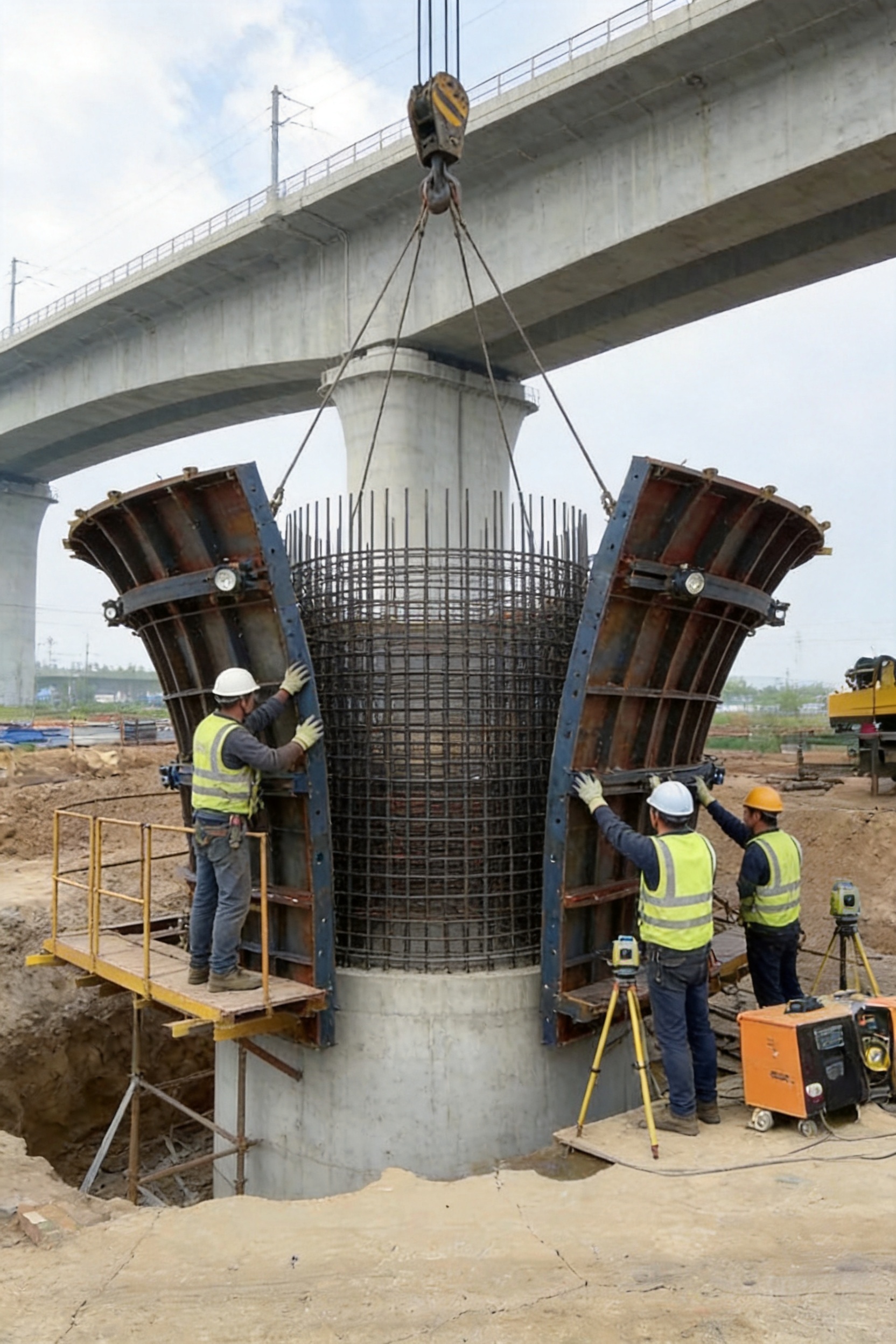
Panel segments can be lifted into position using cranes or other approved handling equipment. The assembly sequence generally begins with positioning the lower section, checking the centerline and elevation, installing adjacent sections, tightening the main connections, and completing external bracing. Surveying equipment is then used to verify verticality, diameter, width, orientation, and top elevation before concrete placement.
After casting, the formwork is released in a controlled sequence. Connection bolts or clamps are removed, external supports are adjusted, and panels are lifted away without damaging the newly hardened concrete. Properly designed lifting points improve handling safety and reduce the possibility of accidental impact. Clear identification of panel sections also helps workers follow the intended assembly sequence.
Standardized assembly reduces dependence on improvised site modifications. This improves repeatability between piers and reduces the risk of unsafe temporary arrangements. It also makes training easier because workers can apply the same procedures to multiple locations.
High Turnover and Long-Term Cost Efficiency
The initial purchase price is only one part of the economic value of formwork. A complete assessment should consider the number of expected reuses, assembly time, cleaning requirements, repair frequency, transportation, storage, concrete repair costs, and labor productivity. Steel pier column formwork generally offers strong lifecycle value because it can be reused many times when properly maintained.
Steel panels are less vulnerable than timber to moisture, repeated wetting, dimensional change, and accidental impact. A robust welded frame also allows localized repairs. Damaged ribs, connection parts, or surface sections can often be repaired or replaced without rebuilding the complete mold.
High turnover is particularly important for viaducts, rail bridges, and urban elevated roads with many similar piers. One set of formwork may be moved from pier to pier as the construction sequence progresses. When the formwork is designed around the project schedule, crane availability, concrete cycle, and curing period, it can support a predictable production rhythm.
Durability is further improved through rust-prevention measures, appropriate storage, drainage provisions, surface cleaning, and regular inspection. When the panels are protected from standing water and corrosive contamination, their service life can be extended significantly.
Comparison with Conventional Formwork Solutions
Timber formwork can be useful for small, irregular, or one-time concrete structures, but it often requires extensive on-site cutting and adjustment. Dimensional consistency may vary between uses, and moisture can cause swelling or distortion. For tall or repetitive bridge piers, these limitations may increase labor requirements and reduce surface quality.
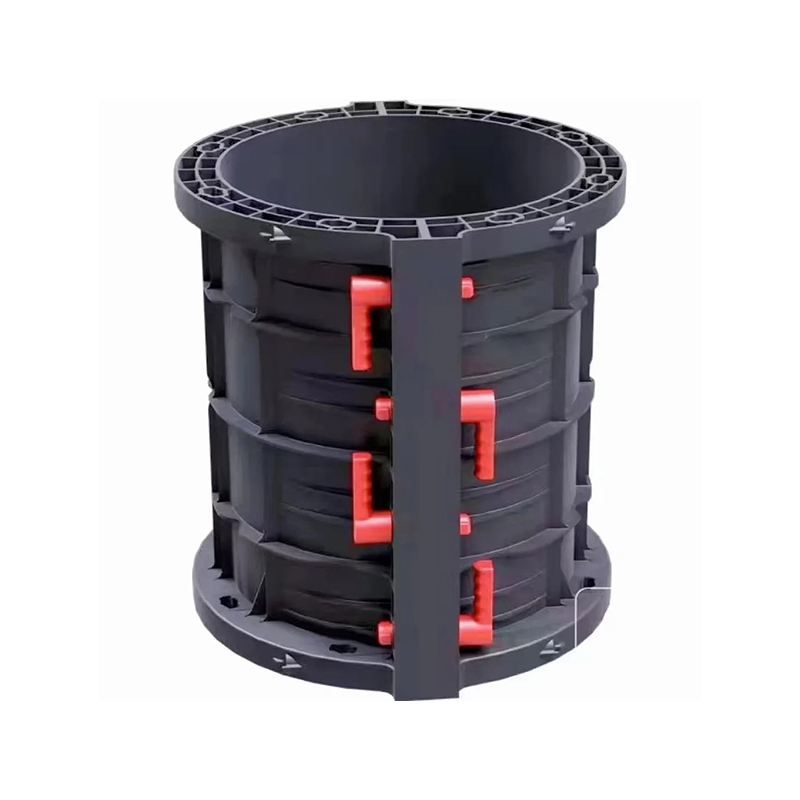
Plastic formwork can offer low weight and easy handling, but its load capacity and resistance to impact or high temperature may be less suitable for large structural piers. Plastic systems may also require specialized support arrangements when used for tall sections or high-pressure concrete placement.
Light-gauge steel systems can provide better repeatability than timber, but their performance depends heavily on reinforcement spacing, connection design, and intended loading conditions. A heavy-duty pier formwork system uses a stronger integrated frame and is engineered specifically for significant lateral pressure and repeated lifting.
Compared with basic fabricated molds, precision-manufactured steel formwork provides better dimensional control, more consistent interchangeability, and more reliable quality documentation. CNC processing, controlled welding, inspection fixtures, and project-specific engineering enable the formwork to perform as a coordinated system rather than as a collection of manually adjusted plates.
| Evaluation Factor | Timber Formwork | Lightweight Plastic Formwork | Heavy-Duty Steel Pier Formwork |
|---|---|---|---|
| Dimensional repeatability | Moderate and affected by moisture | Moderate to high for standard shapes | High when precision manufactured |
| Resistance to concrete pressure | Dependent on extensive bracing | Limited by material and section design | High with reinforced panels and frames |
| Suitability for tall bridge piers | Usually labor intensive | Project dependent | Well suited to engineered applications |
| Surface finish | Variable | Generally consistent | Smooth and suitable for quality concrete |
| Reuse potential | Limited to moderate | Moderate | High with proper maintenance |
| Customization for unusual geometry | Easy to modify on site | Limited by tooling | Highly customizable through steel fabrication |
| Handling weight | Low to moderate | Low | Higher, requiring planned lifting equipment |
| Lifecycle value for repetitive bridge work | Variable | Variable | Strong for repeated casting cycles |
Customized Solutions for Different Pier Shapes
Bridge projects rarely use only one universal pier geometry. Designers may specify circular piers for streamlined appearance, rectangular piers for structural efficiency, hammerhead columns for pier-cap support, or tapered members to reduce material and improve visual proportions. A formwork manufacturer must be able to interpret drawings and translate them into practical panel assemblies.
Circular pier formwork is manufactured with curved steel plates and circumferential reinforcement. The radius, circumference, segment width, joint arrangement, and lifting points are coordinated so that the assembled panels form a stable and accurate cylinder. The number of segments can be selected according to diameter, crane capacity, transportation limitations, and desired assembly speed.
Rectangular and square pier formwork normally uses flat panels with reinforced corners. Corner assemblies must maintain the specified angle and prevent leakage. For large rectangular sections, intermediate frames or external walers may be introduced to control the face plate and maintain the cross-sectional dimensions during casting.
Tapered piers require panels with changing dimensions along the height. These may be designed as dedicated segments or as adjustable assemblies, depending on the degree of variation. Irregular or architectural shapes can be produced through customized plate profiles, formed components, and specialized connection details.
Hyson’s custom manufacturing approach allows the formwork to be adapted to project drawings rather than forcing the project to conform to a standard catalog size. This is important when pier dimensions, reinforcement congestion, construction lifts, or site restrictions differ from conventional arrangements.
Manufacturing Process and Quality Control
The manufacturing process begins with a review of technical drawings, project specifications, concrete placement conditions, and handling requirements. Engineers examine the required pier geometry, formwork height, panel segmentation, material grades, connection method, lifting arrangement, and expected reuse cycle. Any unclear dimensions or interface conditions should be resolved before fabrication begins.
After design confirmation, steel materials are prepared and identified. Plates, sections, pipes, ribs, flanges, and other components are checked against the approved material requirements. Traceability helps ensure that the correct steel grade and thickness are used in the intended location. Material surfaces are inspected for significant defects before cutting and forming.
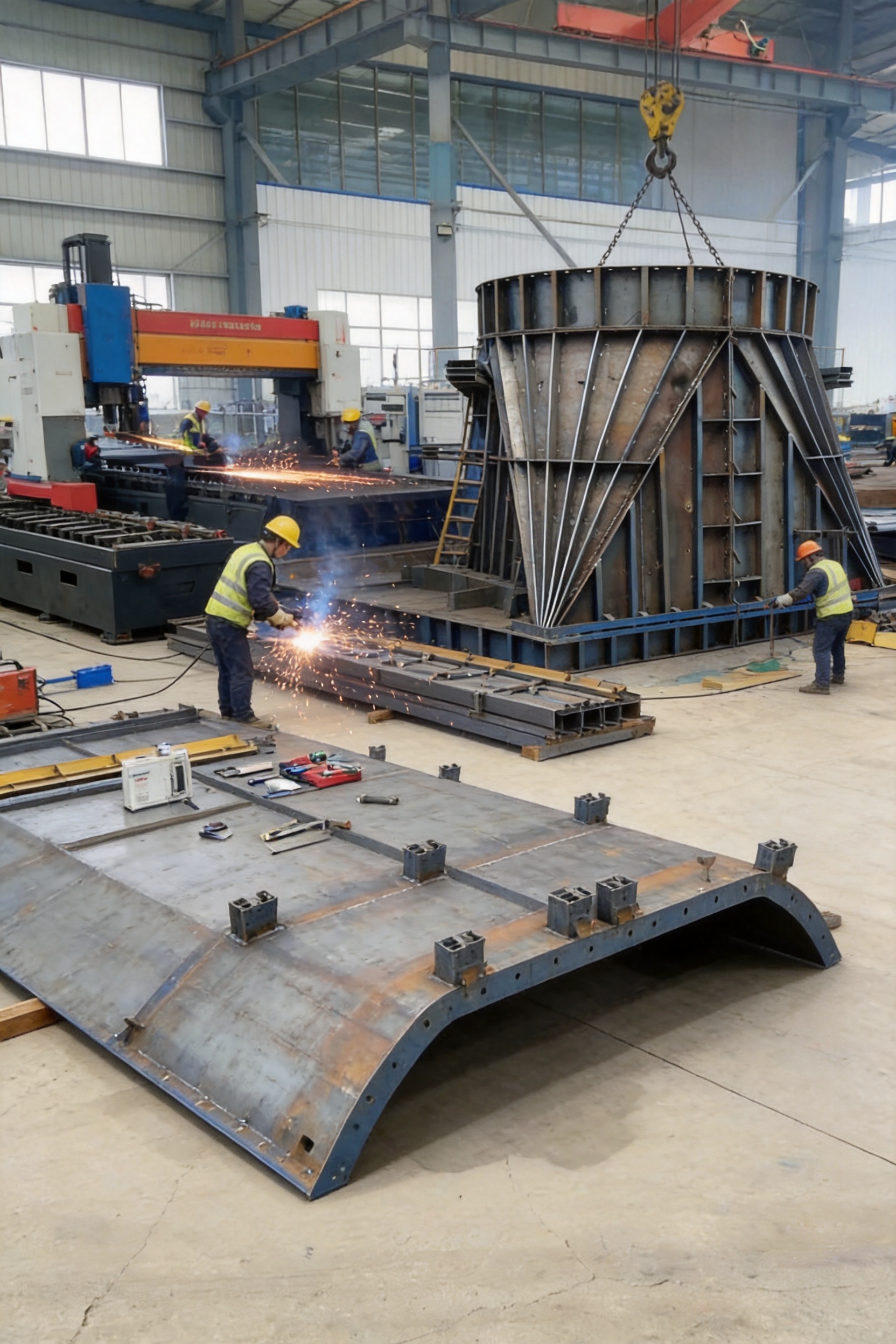
CNC laser cutting is used for plates and accurately profiled components. Laser processing provides repeatable dimensions, clean edges, and precise openings for bolts, supports, and accessories. It also reduces material waste when cutting plans are optimized. For large steel components, accurate digital cutting is essential to maintain consistency between repeated panels.
After cutting, components may undergo bending, rolling, drilling, edge preparation, or other forming operations. Curved panels must be formed to the specified radius without excessive local distortion. Connection flanges and stiffeners are positioned using fixtures or reference measurements to ensure that adjacent components will align correctly during final assembly.
Welding is carried out by trained personnel using controlled procedures. Nantong Hyson Road And Bridge Formwork applies certified AWS and EN welding craftsmanship within its production system. Weld sizes, sequences, joint preparation, heat input, and inspection requirements are selected according to the component and application. Proper welding reduces the risk of distortion, cracking, incomplete fusion, and premature fatigue damage.
Subassemblies are checked before final welding. This stage provides an opportunity to verify rib spacing, panel curvature, flange alignment, hole positions, frame squareness, and lifting-point orientation. Correcting an issue before final assembly is generally faster and less expensive than modifying a completed formwork set.
Final assembly brings the face plates, ribs, frames, flanges, braces, lifting points, and accessories together. The complete or representative sections are checked for dimensional accuracy and connection compatibility. Where the project requires it, trial assembly may be performed to confirm that the segments fit together as intended.
Inspection records may include material certificates, dimensional reports, welding documentation, visual inspection results, coating or surface treatment records, and packing lists. This documentation supports project quality management and makes it easier to identify components during installation and future maintenance.
Advanced Steel Fabrication Capabilities
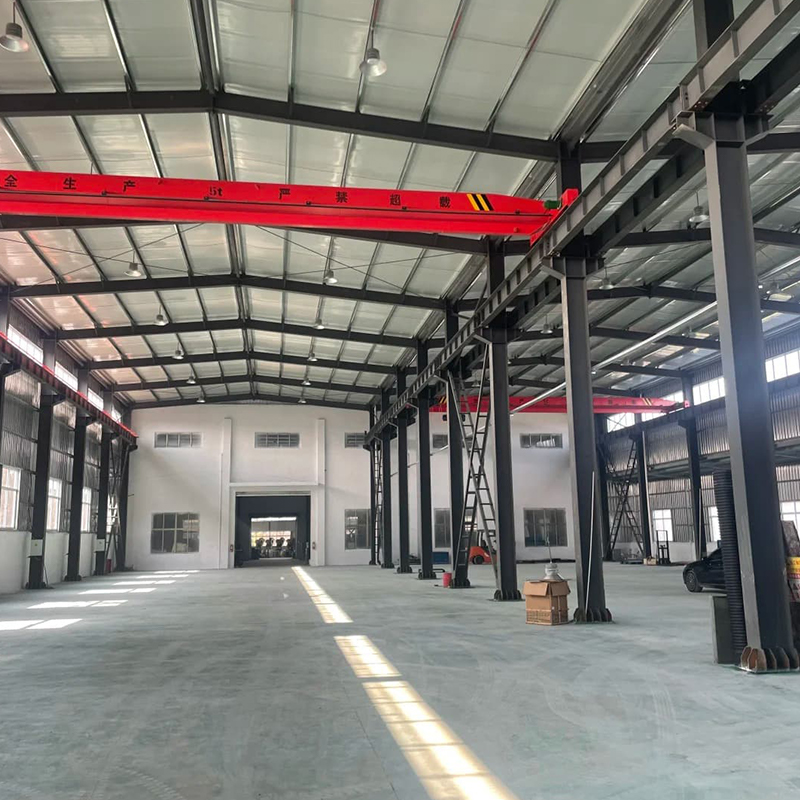
Heavy steel fabrication requires more than cutting and welding. It involves coordinated control of design interpretation, material preparation, forming, assembly, handling, inspection, and delivery. Hyson has developed production capabilities for non-standard steel components used in bridge construction, industrial structures, infrastructure, and other heavy-duty applications.
The company’s equipment and standardized production lines support integrated laser cutting, bending, and welding. Combining these processes within one manufacturing system helps reduce unnecessary transfers between suppliers and improves communication between engineering and production teams. It also supports tighter control over component interfaces.
For a formwork manufacturer, heavy fabrication experience is valuable because bridge molds often include large plates, deep ribs, reinforced frames, lifting structures, and customized support systems. These components must be strong enough for repeated handling while remaining compatible with the dimensional requirements of the concrete structure.
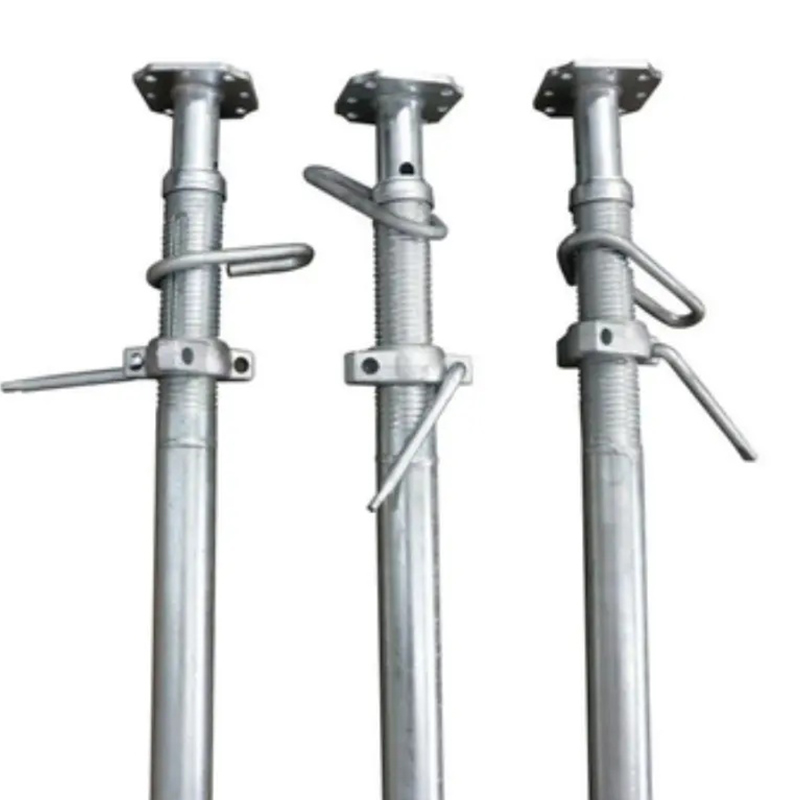
Hyson also manufactures related products including bridge and infrastructure formwork, hydraulic tunnel trolleys, ringlock scaffolding, steel props, industrial steel structures, and heavy steel OEM components. Experience across these product categories strengthens its understanding of construction-site conditions, lifting operations, temporary works, structural interfaces, and project logistics.
Welding and Fabrication Reliability
Weld quality is critical in pier formwork because welded ribs and frames transfer concrete pressure to the connections and supports. A visually acceptable weld is not automatically a structurally adequate weld. Joint preparation, welder qualification, welding procedure control, inspection, and distortion management all contribute to reliability.
Certified AWS and EN welding practices provide a structured basis for controlling fabrication quality. Welding operators must understand the approved procedure, suitable consumables, preheating requirements where applicable, pass sequence, cleaning between passes, and acceptance criteria. These controls are particularly important for thick sections, highly restrained joints, lifting points, and components exposed to repeated handling.
Welding sequence is planned to limit distortion. If large plates or long ribs are welded without a controlled sequence, the assembly may develop bowing, twisting, or flange misalignment. Fixtures, temporary restraints, balanced welding, and intermediate measurements help preserve the intended geometry.
After welding, surface cleaning and visual inspection identify spatter, undercut, arc strikes, porosity indications, incomplete weld profiles, or other visible issues. Additional inspection methods may be applied when required by the project specification or the criticality of the component.
Integration with Construction Planning
Formwork performance depends not only on manufacturing quality but also on how the system is integrated into the construction method. Before delivery, the contractor should confirm crane capacity, access roads, storage areas, reinforcement cage dimensions, concrete delivery method, working platforms, and the sequence of pier lifts.
The casting height per lift should be selected according to concrete pressure, formwork design, curing conditions, reinforcement congestion, and the project schedule. A taller single lift may reduce the number of assembly cycles, but it can increase lateral pressure and handling demands. Smaller lifts may simplify control but require more repositioning. The formwork manufacturer can provide recommendations based on the intended application and design assumptions.
Surveying is required before and after installation. The centerline, elevation, verticality, section dimensions, and orientation should be checked against the approved drawings. After concrete placement begins, site personnel should observe joints, braces, supports, and alignment indicators for signs of movement or leakage.
Concrete should be placed at a controlled rate and vibrated according to the approved method. Excessive vibration at one location can increase local pressure and promote segregation, while inadequate vibration can create voids. Proper coordination between the concrete crew and formwork team is therefore essential.
Safe Handling and Site Operation
Steel formwork sections can be heavy, and lifting operations must be planned carefully. Each section should have clearly identified lifting points with sufficient capacity for the intended configuration. Slings, shackles, spreader beams, and cranes must be selected and used according to approved lifting procedures.
Workers should not stand beneath suspended panels or enter areas where an unsecured section could shift. Temporary supports must remain in place until the formwork is fully connected and braced. During stripping, the release sequence should prevent sudden movement, binding, or uncontrolled rotation.
Access platforms, ladders, guardrails, and working areas should be designed around the formwork configuration. Bolt tightening and alignment work at height requires suitable fall-protection measures. Safe construction planning protects workers while also reducing the likelihood of damage to the panels and newly cast concrete.
Clear installation drawings and component labels make site operations more efficient. When each panel and accessory is marked according to an assembly plan, workers can locate the correct piece quickly and avoid incorrect installation. This is especially useful when several pier sizes or formwork sets are present on the same project.
Maintenance, Cleaning, and Storage
Maintenance begins immediately after stripping. Concrete residue should be removed before it hardens excessively. Scrapers and non-damaging cleaning tools are preferred to methods that could gouge the face plate. Any remaining grout or debris at joints can prevent proper sealing during the next assembly.
Panels should be checked for dents, bent flanges, damaged bolt holes, cracked welds, loose ribs, corrosion, and deformation. Lifting points deserve particular attention because they are repeatedly loaded during handling. Defects should be recorded and repaired before the next use.
A suitable release agent should be applied in a uniform, controlled manner. Excessive release agent can affect the concrete surface, while insufficient coverage may cause adhesion and make stripping difficult. The selected product should be compatible with the concrete mix, surface treatment, and environmental conditions.
During storage, formwork should be placed on stable supports above the ground where possible. Panels should not be left in standing water or exposed to avoidable contamination. Joint faces and machined areas should be protected from impact. Accessories such as bolts, clamps, braces, and lifting devices should be stored in an organized manner to prevent loss and corrosion.
Applications in Infrastructure Projects
Highway bridge construction is one of the most common applications for pier column formwork. Highway piers often require repeated circular or rectangular columns with consistent geometry and rapid casting cycles. A modular steel system supports efficient movement from one foundation location to the next.
Railway bridges impose strict alignment and tolerance requirements because track geometry depends on the accurate placement of supporting structures. Steel formwork helps maintain the dimensional consistency required for pier caps, bearing systems, precast beams, and elevated track structures.
Municipal elevated roads and overpasses frequently involve restricted sites, traffic-management requirements, and close spacing between piers. Compact segmental panels and planned lifting arrangements can reduce road occupation and accelerate construction in urban environments.
Water conservancy and port projects may require large piers, support columns, retaining elements, or marine structures exposed to demanding environmental conditions. Durable steel formwork can be adapted to the dimensions and casting sequence of these components.
Precast concrete factories benefit from high-turnover molds for the mass production of standardized columns and pier segments. In a controlled factory environment, steel formwork can be integrated with reinforcement cages, concrete batching, vibration equipment, curing systems, and repetitive handling processes.
Company Manufacturing Strengths
Nantong Hyson Road And Bridge Formwork Co., Ltd. is a professional manufacturer of custom steel formwork, ringlock scaffolding, heavy-duty steel structures, and OEM metal fabrication. Its production experience covers both standard and non-standard components, allowing the company to support customers whose requirements cannot be met by off-the-shelf molds.
The company operates with advanced laser cutting equipment and standardized production lines. These capabilities support accurate plate processing, repeatable component production, and efficient handling of large steel assemblies. Integrated manufacturing also helps reduce variation between repeated panels and supports better control of project schedules.
Hyson applies certified AWS and EN welding craftsmanship and maintains a quality-management approach aligned with ISO 9001. Its product and manufacturing capabilities are also associated with BS1139 and EN74 standards for relevant scaffolding and construction equipment applications. The specific standard requirements applicable to a project should always be confirmed in the technical contract and approved drawings.
With 12 utility patents and experience serving major infrastructure contractors, the company has developed practical knowledge of construction-site demands. Its role as a strategic supplier to CCCC, CRCC, and other central state-owned enterprises demonstrates experience with formal procurement, quality documentation, delivery coordination, and large-project expectations.
Projects associated with the company include major bridge and industrial developments such as the Sutong Yangtze River Bridge, Taizhou Bridge, and Sudan Thermal Power Plant. Experience on demanding projects helps inform the company’s approach to structural reliability, production planning, and customized engineering support.
OEM and Custom Engineering Services
OEM formwork production begins with customer drawings, design data, or a description of the required pier geometry and construction method. The manufacturer can review the available information and develop panel layouts, connection details, reinforcement arrangements, lifting points, and accessory lists.
Custom engineering is useful when a project includes unusual pier diameters, changing cross-sections, limited crane capacity, restricted transport dimensions, special surface requirements, or non-standard casting heights. Instead of modifying a generic mold on site, the formwork can be designed around the actual project constraints.
Customers may also require specific steel grades, coating systems, documentation packages, marking methods, packing arrangements, or inspection procedures. These requirements can be incorporated into the manufacturing plan before production starts, reducing the risk of later changes.
For international projects, communication regarding units, tolerances, standards, lifting equipment, shipping limitations, and site conditions is especially important. A clear technical confirmation prevents misunderstandings and supports smooth installation after delivery.
Inspection and Acceptance Considerations
Before accepting a pier formwork system, the purchaser should review the approved drawings and confirm that the delivered components correspond to the specified geometry. Important checks include panel dimensions, segment height, internal diameter or width, flange position, hole spacing, rib arrangement, lifting points, and accessory quantities.
The assembled formwork should be checked for proper fit between adjacent segments. Joints should close evenly, and the connection hardware should engage without forcing components into position. Excessive gaps, misaligned holes, twisted flanges, or damaged surfaces should be documented and corrected.
Welding quality, material certificates, surface condition, and coating or rust-prevention treatment may also be included in the acceptance process. If trial assembly is specified, the purchaser should verify that the required configuration can be assembled using the supplied components and instructions.
Acceptance should consider both the physical product and the accompanying documentation. Assembly drawings, maintenance guidance, lifting information, inspection records, packing lists, and replacement-part information help the contractor operate the formwork safely and efficiently throughout the project.
How to Select the Right Pier Column Formwork
The first selection factor is pier geometry. The supplier should receive accurate information about diameter, width, depth, taper, corner radii, height, and any changes along the pier. Drawings should also identify openings, brackets, embedded items, construction joints, and interfaces with pier caps or other components.
The second factor is the concrete placement method. Pumping rate, slump, temperature, admixtures, lift height, vibration method, and expected setting time influence formwork pressure. A mold intended for slow placement in short lifts may not be suitable for rapid pumping in a tall single lift without additional reinforcement.
The third factor is the construction cycle. Projects requiring one casting every few days may need fast-release connections, efficient cleaning procedures, multiple formwork sets, or carefully planned panel turnover. The number of reuses and expected handling frequency should be considered during design.
The fourth factor is site logistics. Transport dimensions, crane capacity, access limitations, storage space, working-platform arrangements, and local labor skills all affect the practical formwork configuration. The strongest formwork is not necessarily the most suitable if it cannot be safely moved and assembled on site.
Finally, the purchaser should evaluate the supplier’s engineering capability, fabrication equipment, welding qualifications, quality system, project experience, documentation, and after-sales support. These factors often have a greater effect on total project cost than the initial formwork price alone.
Environmental and Sustainability Benefits
Reusable steel formwork can reduce the consumption of temporary timber and other disposable materials. Because the same panels may be used repeatedly, the material impact is distributed across many concrete components rather than being associated with a single casting operation.
Durable steel components can also be repaired, refurbished, and redeployed. At the end of their useful service life, steel is recyclable. This provides a practical sustainability advantage compared with temporary materials that may be discarded after limited use.
Accurate formwork reduces concrete defects and repair work. Preventing honeycombing, excessive fins, and dimensional errors can reduce the need for patching materials, surface grinding, recasting, and additional transport. Efficient construction also helps lower labor and equipment use.
Sustainability performance depends on the entire project system, including steel sourcing, manufacturing energy, transport, maintenance, and end-of-life handling. Nevertheless, a well-designed reusable formwork system can make an important contribution to resource-efficient bridge construction.
Frequently Asked Questions
What types of structures can use pier column formwork?
Pier column formwork is suitable for highway and railway bridge piers, elevated road columns, municipal overpass supports, port and water conservancy structures, precast concrete columns, and other vertical concrete components requiring accurate repetitive casting.
Can the formwork be used for both precast and cast-in-place construction?
Yes. The configuration can be adapted for factory-based precast production or site-based cast-in-place construction. The handling method, support arrangement, panel size, and cycle planning should be selected according to the specific production environment.
Which steel grades are commonly used?
Q235B and Q355B are commonly used structural steel grades. Q235B may be suitable for many standard components, while Q355B can provide additional strength for heavily loaded ribs, frames, connections, and lifting components. Final material selection should follow engineering calculations and project specifications.
Can circular and rectangular pier formwork be manufactured?
Yes. Curved modular panels can be produced for circular piers, while flat reinforced panels and corner assemblies can be manufactured for rectangular or square piers. Polygonal, tapered, and irregular shapes can also be developed through custom fabrication.
How does steel formwork improve concrete surface quality?
Accurate steel panels provide a stable and smooth forming surface. Properly manufactured joints, rigid flanges, and suitable sealing arrangements reduce grout leakage, honeycombing, fins, and dimensional variation. Correct release-agent application and cleaning are also essential.
How many times can pier formwork be reused?
Reuse depends on the steel thickness, design, handling method, cleaning procedures, storage conditions, repair quality, and concrete cycle. Heavy-duty steel formwork is intended for repeated use, but a specific number of cycles should be confirmed according to the design and maintenance program.
What information is needed for a custom quotation?
Useful information includes pier shape, dimensions, height, taper, concrete placement method, casting lift height, required quantity, expected reuse frequency, steel grade, surface requirements, crane limitations, project standards, delivery location, and any special accessories or embedded interfaces.
Is trial assembly available?
Trial assembly can be included when required by the project or when the formwork configuration is complex. It helps verify component compatibility, dimensions, connection positions, lifting arrangements, and the assembly sequence before shipment or site installation.
What quality standards can be supported?
Manufacturing may be organized according to applicable project requirements and recognized quality systems, including ISO 9001-based quality control and relevant AWS, EN, BS1139, or EN74 requirements where appropriate. The exact standards should be confirmed during technical clarification.
Yes. In addition to pier and bridge formwork, the company manufactures ringlock scaffolding, steel props, hydraulic tunnel trolleys, industrial steel structures, and heavy steel OEM components. Related equipment can be coordinated when a project requires multiple temporary works or steel fabrication products.
Conclusion
Pier column formwork is a critical production tool for constructing safe, accurate, and durable bridge substructures. Its performance directly affects pier geometry, concrete surface quality, construction speed, labor requirements, and long-term project economics. Compared with temporary or lightly reinforced alternatives, heavy-duty modular steel formwork provides superior rigidity, repeatability, sealing performance, durability, and reuse potential.
The most effective system combines sound engineering with controlled fabrication. Q235B and Q355B steel, reinforced panel frames, precise CNC cutting, accurate forming, certified welding, controlled assembly, and documented inspection all contribute to reliable performance. Modular segments make the formwork easier to transport, install, strip, maintain, and reuse across multiple pier locations.
Nantong Hyson Road And Bridge Formwork Co., Ltd. supports these requirements through advanced laser cutting, bending, welding, heavy steel fabrication, standardized production lines, and custom OEM engineering. Its experience with bridge infrastructure, industrial steel structures, scaffolding, and non-standard components enables it to provide practical solutions for demanding construction environments.
For project owners, contractors, and engineering companies, the right pier formwork should be evaluated as a complete construction system rather than as a simple steel mold. Structural performance, installation efficiency, safety, maintenance, documentation, customization, and lifecycle value should all be considered. When these factors are properly coordinated, steel pier column formwork can help deliver faster construction, cleaner concrete finishes, improved dimensional control, and dependable long-term infrastructure performance.
References
American Welding Society. Structural Welding Code—Steel, AWS D1.1/D1.1M.
European Committee for Standardization. Execution of Steel Structures and Aluminium Structures, EN 1090.
European Committee for Standardization. Scaffolds and Couplers: Requirements and Test Procedures, EN 74.
British Standards Institution. Metal Scaffolding: Requirements and Test Methods, BS 1139.
International Organization for Standardization. Quality Management Systems—Requirements, ISO 9001.
American Concrete Institute. Guide to Formwork for Concrete, ACI 347.
American Concrete Institute. Building Code Requirements for Structural Concrete, ACI 318.
Federal Highway Administration. Bridge Construction and Concrete Formwork Guidance.
International Federation for Structural Concrete. Recommendations for Good Practice in Concrete Construction.
Product: Pier Column Formwork



- Location
- Group 3, Fangzhuang Village, Rucheng Subdistrict, Rugao City, Nantong, Jiangsu, China
- Follow us
- Phone
- +86-13646196162
- info@hysonindustry.com
