 +86-13646196162
 info@hysonindustry.com




 русский
 عربى



OEM Heavy Steel Structure Fabrication for Large Structural Components
 2026.10.29
Content
- 1 1. The Role of Steel Structures in Modern Engineering
- 2 2. Product Scope of Large Steel Structural Components
- 3 3. Major Advantages of Professionally Fabricated Steel Structures
- 4 4. Advanced Manufacturing Process
- 4.1 4.1 Technical Drawing Review
- 4.2 4.2 Material Procurement and Verification
- 4.3 4.3 CNC Steel Plate Cutting
- 4.4 4.4 Drilling, Slotting, and Edge Preparation
- 4.5 4.5 Plate Bending and Forming
- 4.6 4.6 Fit-Up and Assembly
- 4.7 4.7 Certified Welding
- 4.8 4.8 Distortion Control
- 4.9 4.9 Surface Treatment and Protection
- 4.10 4.10 Final Inspection and Packing
- 5 5. Quality Management and International Standards
- 6 6. Why a Specialized Manufacturer Outperforms a General Workshop
- 7 7. Manufacturing Strengths Supporting Global OEM Projects
- 8 8. Applications Across Different Industries
- 9 9. Key Technical Considerations Before Ordering
- 10 10. Project Workflow from Inquiry to Delivery
- 11 11. Cost Efficiency Beyond the Purchase Price
- 12 12. Safety and Structural Reliability
- 13 13. Sustainability and Resource Efficiency
- 14 14. Frequently Asked Questions
- 14.1 14.1 What types of steel structures can be manufactured on an OEM basis?
- 14.2 14.2 Can the manufacturer work from customer drawings?
- 14.3 14.3 What materials can be used?
- 14.4 14.4 How does laser cutting improve steel fabrication?
- 14.5 14.5 How is welding quality controlled?
- 14.6 14.6 Can large welded structures be shipped internationally?
- 14.7 14.7 What surface treatments are available?
- 14.8 14.8 Can the manufacturer produce a prototype before mass production?
- 14.9 14.9 What documents should accompany the shipment?
- 14.10 14.10 How should customers choose a steel structure supplier?
- 15 15. Conclusion
- 16 References
- 17 Product: Steel Structure
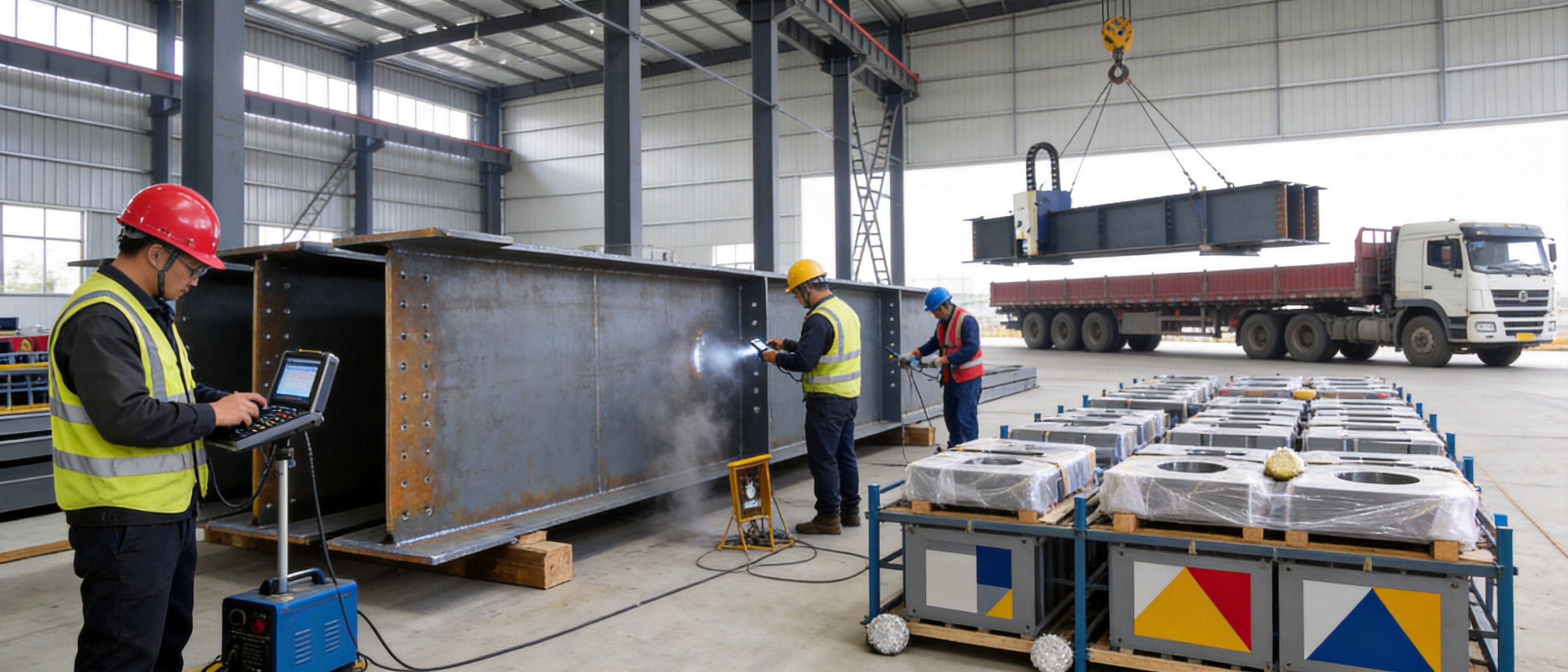
Steel structures are essential to modern construction, infrastructure, industrial production, transportation, energy, warehousing, and heavy engineering. From large workshops and warehouses to bridge components, equipment support frames, industrial platforms, and complex architectural systems, steel provides the strength, flexibility, and construction efficiency required by demanding projects. However, the performance of a steel structure depends on far more than the nominal grade of steel. Design accuracy, material control, cutting quality, welding consistency, dimensional stability, surface treatment, inspection, and logistics all influence the safety and service life of the completed structure.
Professional OEM heavy metal fabrication is therefore a critical part of the supply chain. Project owners, contractors, engineering companies, and equipment manufacturers need a fabrication partner capable of converting drawings, models, and technical specifications into reliable, ready-to-install steel components. The ideal supplier must combine engineering understanding with advanced production equipment, experienced welders, accurate processing, and strict quality control. It must also be able to handle non-standard parts, large steel assemblies, complex connections, and customized production requirements without sacrificing delivery reliability.
Nantong Hyson Road And Bridge Formwork Co., Ltd. provides custom steel structure fabrication and large steel component manufacturing for domestic and international customers. Its capabilities cover heavy-duty steel structures, industrial steel frames, bridge-related components, structural assemblies, laser-cut steel parts, bent plates, welded fabrications, and other non-standard OEM products. Supported by advanced laser cutting equipment, standardized production lines, certified welding practices, and full-process inspection, the company is positioned to serve projects that require high strength, accurate dimensions, stable quality, and dependable engineering support.
This article explains the main advantages of professionally fabricated steel structures, the manufacturing processes used for large structural components, the quality systems required for reliable performance, and the reasons a specialized OEM manufacturer can offer greater value than a general metalworking supplier.
1. The Role of Steel Structures in Modern Engineering
Steel structures are widely selected because they provide an efficient balance between load-bearing capacity, weight, constructability, and long-term durability. Compared with many conventional structural materials, steel can achieve high strength with relatively slender sections. This allows engineers to design long spans, open interior spaces, tall industrial frames, heavy equipment platforms, and transportation structures without excessive material volume.
Steel also supports a high degree of customization. Plates, beams, tubes, channels, angles, box sections, stiffeners, brackets, base plates, embedded parts, and connection components can be combined into assemblies adapted to a specific building, machine, bridge, or production environment. A steel structure can be designed for simple bolted erection, fully welded assembly, modular installation, or a combination of different connection methods.
Another important advantage is manufacturing efficiency. Many operations can be completed in a controlled factory environment before the components arrive at the jobsite. CNC cutting, drilling, bending, fitting, welding, inspection, and coating can be performed in planned sequences. This reduces the amount of site work, improves installation speed, and helps contractors maintain better control over project schedules.
For large and complex projects, factory fabrication is especially valuable. Weather conditions, restricted access, congested construction sites, and limited lifting windows can make field fabrication expensive and unpredictable. By completing more work in the factory, a project can reduce labor exposure, improve repeatability, and receive components that are prepared for direct assembly.
2. Product Scope of Large Steel Structural Components
Large steel structural components can include individual parts, welded subassemblies, transportable modules, and complete structural systems. The exact product depends on the application, design load, connection method, material specification, and installation sequence.
2.1 Industrial Steel Frames
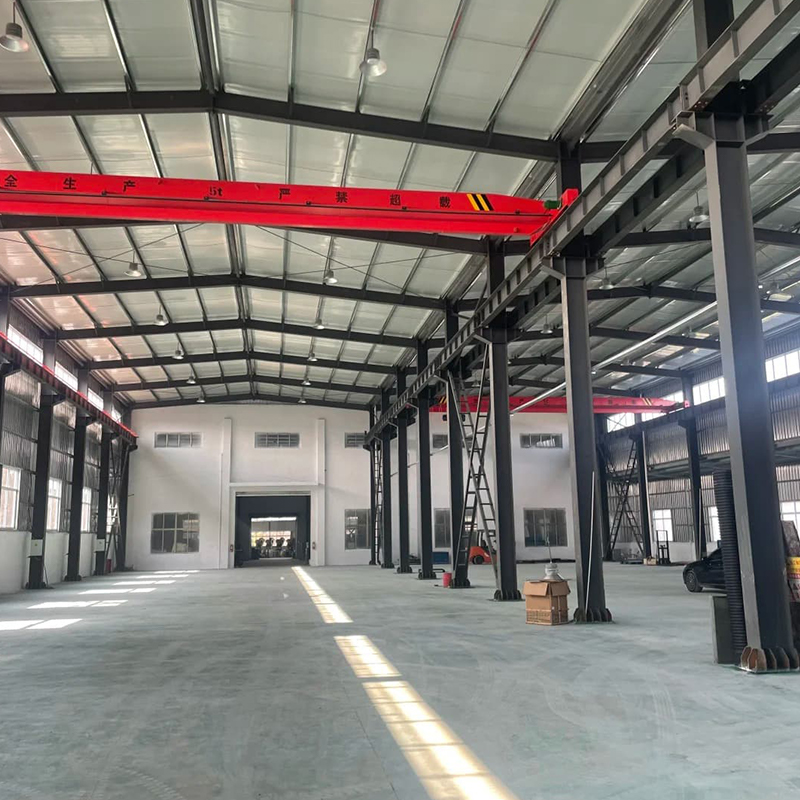
Industrial steel frames are used for workshops, manufacturing plants, logistics centers, warehouses, processing facilities, and equipment buildings. They commonly include columns, roof beams, rafters, bracing members, crane support structures, platforms, stairs, handrails, maintenance access systems, and secondary steelwork.
Industrial frames require careful coordination between structural engineering and building services. Openings for ventilation ducts, cable trays, pipelines, machinery, and access routes must be considered during fabrication. Incorrect hole locations or uncontrolled tolerances can cause expensive installation delays. A professional fabricator therefore works from approved drawings and coordinates all connection details before production begins.
2.2 Heavy Equipment Support Structures
Manufacturing plants, power facilities, mines, agricultural processing lines, and transportation terminals often require steel support structures for heavy equipment. These may include machine foundations, elevated platforms, maintenance frames, conveyor supports, hopper frames, service bridges, and access towers.
Such components must withstand static loads, vibration, impact, thermal expansion, and repeated maintenance activity. The fabrication process must maintain accurate geometry and reliable weld quality. Reinforcing plates, stiffeners, gussets, anchor points, and lifting lugs must be positioned correctly to ensure that the finished structure performs as designed.
2.3 Bridge and Infrastructure Components
Infrastructure projects frequently require custom steel elements that are not available as standard catalog products. These may include temporary bridge formwork frames, permanent steel components, embedded parts, support brackets, access structures, hydraulic equipment frames, and large welded assemblies used in bridge or tunnel construction.
Infrastructure components are often subject to demanding project specifications, inspection procedures, and traceability requirements. They may also need to fit precisely with concrete, reinforcement, mechanical equipment, or previously installed steel. A manufacturer experienced in bridge and road engineering understands the importance of dimensional control, lifting design, assembly sequence, and site installation conditions.
2.4 Warehousing and Logistics Structures
Warehouses and logistics facilities depend on steel structures that provide large unobstructed spaces, efficient material flow, and adaptability to changing storage requirements. Structural systems can include main portal frames, mezzanines, loading platforms, storage support frames, equipment shelters, and service structures.
Because logistics facilities often operate continuously, the fabrication and installation schedule must be carefully managed. Components should be clearly identified, packed in logical sequences, and protected against transport damage. Accurate prefabrication helps reduce site congestion and allows contractors to install structural bays efficiently.
2.5 Customized OEM Fabrications
OEM steel fabrication is used when a customer needs a component manufactured to its own drawings, specifications, branding requirements, or assembly standards. The product may be a single prototype, a small batch, or a repeated production order. OEM work requires flexibility because every project can involve different materials, dimensions, tolerances, welding procedures, surface treatments, and packaging instructions.
A capable OEM manufacturer must be able to review drawings, identify manufacturing risks, suggest practical improvements, produce samples when required, and maintain consistency across repeated batches. This engineering-to-production connection is one of the most important differences between a professional structural fabricator and a basic workshop.
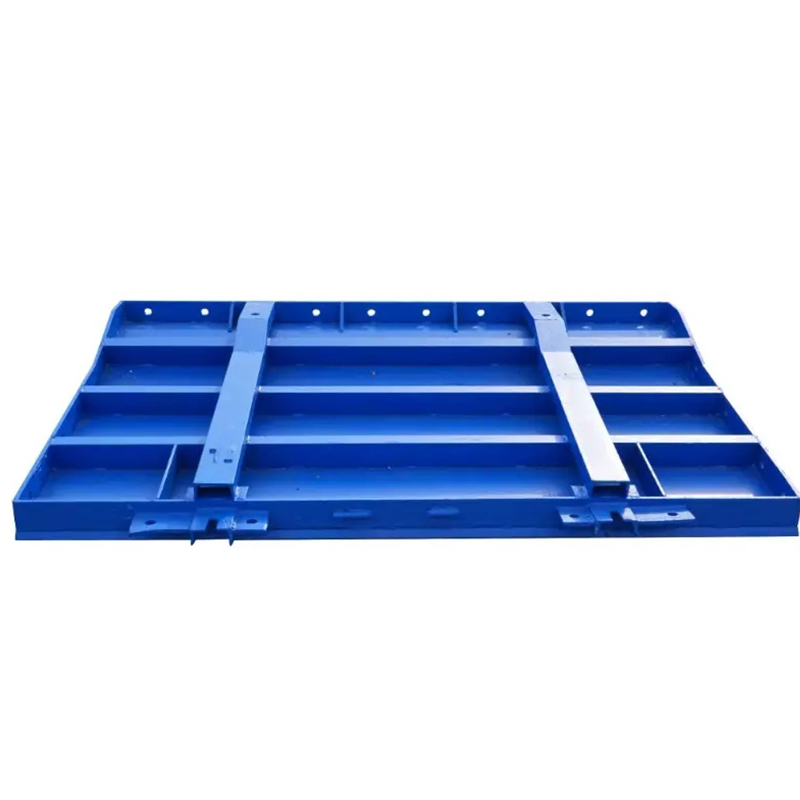
Steel Structure
3. Major Advantages of Professionally Fabricated Steel Structures
3.1 High Strength-to-Weight Performance
Steel offers high tensile, compressive, and shear strength while maintaining a relatively efficient weight-to-capacity ratio. This allows designers to create structural systems that carry substantial loads without using unnecessarily large sections. Reduced self-weight can lower foundation loads, simplify transportation, and improve erection efficiency.
For long-span buildings, bridges, platforms, and industrial systems, this strength-to-weight performance is especially valuable. Structural members can be optimized according to load requirements, reducing material waste while preserving safety margins. Advanced fabrication also allows stiffeners and reinforcement plates to be added precisely where they are needed.
3.2 Dimensional Accuracy
Steel structures frequently contain multiple connection points that must align during assembly. Even small errors in hole location, plate angle, member length, or weld distortion can create problems when several components are joined together. CNC processing, controlled fixtures, calibrated measuring tools, and systematic inspection help maintain the required dimensions.
Accurate fabrication reduces field modification. Contractors spend less time cutting, drilling, grinding, or realigning components at the jobsite. This improves productivity and lowers the risk of uncontrolled changes that may affect structural performance or protective coatings.
3.3 Faster Site Installation
Factory-fabricated components arrive at the site in a condition that is closer to final installation. Marked parts, preassembled modules, prepared connection plates, and documented packing sequences help erection teams work more quickly. Reduced site fabrication also lowers exposure to weather, working-at-height hazards, and restricted working conditions.
For projects with strict construction schedules, this advantage can be more important than the initial fabrication price. A component that costs slightly more to manufacture but installs quickly and without rework may produce a lower total project cost.
3.4 Design Flexibility
Steel can be cut, bent, drilled, welded, and assembled into highly customized forms. This makes it suitable for complex geometries, irregular site conditions, special equipment layouts, and non-standard architectural requirements. A specialized manufacturer can combine plate fabrication with structural sections, tubular members, cast or machined components, and custom connection details.
This flexibility is particularly useful for renovation and expansion projects. Existing buildings often contain dimensional limitations, uneven foundations, or difficult access conditions. Custom steel components can be manufactured to fit the actual site requirements rather than forcing the project to use standard dimensions.
3.5 Consistent Factory Quality
Factory production provides a controlled environment for material storage, cutting, fitting, welding, inspection, and coating. Compared with uncontrolled field fabrication, a standardized factory process can deliver more consistent quality from one component to the next.
Process control also improves documentation. Material certificates, inspection records, welding information, dimensional reports, coating records, and packing lists can be organized as part of the production file. This creates a traceable record that supports project acceptance and future maintenance.
3.6 Long-Term Serviceability
Properly designed and fabricated steel structures can provide long service life in industrial and infrastructure environments. Performance depends on correct material selection, adequate corrosion protection, effective drainage, appropriate weld details, and proper maintenance access.
A professional fabricator contributes to serviceability by eliminating avoidable defects, maintaining clean weld profiles, controlling distortion, protecting finished surfaces, and following the specified coating system. These details help reduce corrosion risks and make future inspection and maintenance easier.
4. Advanced Manufacturing Process
The quality of a steel structure is determined by the entire production chain rather than a single machine or operation. The following process provides a practical framework for producing large structural components with stable quality and reliable performance.
4.1 Technical Drawing Review
Production begins with a review of customer drawings, three-dimensional models, bills of materials, welding requirements, material grades, tolerances, inspection criteria, and delivery conditions. The purpose is to confirm that the design can be manufactured efficiently and assembled correctly.
During this stage, engineers examine plate thicknesses, member intersections, access for welding, hole locations, lifting points, transport dimensions, and potential distortion risks. If a detail is unclear or impractical, the manufacturer can communicate with the customer before material is cut.
Drawing review also helps identify opportunities for cost and time improvement. For example, similar parts may be grouped for efficient cutting, certain welds may be replaced by bolted connections, or a large assembly may be divided into transportable modules. These changes must always respect the approved design and applicable engineering requirements.
4.2 Material Procurement and Verification
Steel plates, sections, tubes, bolts, welding consumables, and other materials must be purchased according to the approved specification. Important factors include grade, thickness, chemical composition, mechanical properties, surface condition, and certificate requirements.
Upon arrival, materials should be checked against purchase documents and marked for identification. Thickness, dimensions, visible defects, and quantity are verified before the material enters production. Proper material segregation prevents the accidental mixing of different steel grades or heat numbers.
Traceability is particularly important for large infrastructure and heavy industrial projects. The manufacturer should be able to connect a finished component to the relevant raw material records and production documents.
4.3 CNC Steel Plate Cutting
Computer numerical control cutting is used to produce accurate plates, brackets, gussets, base plates, stiffeners, connection plates, and irregular profiles. Depending on thickness and project requirements, laser cutting, plasma cutting, oxy-fuel cutting, or other suitable methods may be selected.
Laser cutting is advantageous for many precision parts because it provides a narrow kerf, detailed geometry, and clean edges. It is especially useful for small and medium-sized plates, holes, slots, and complex contours. For thicker heavy plates, other cutting technologies may be more appropriate, provided that edge quality and heat-affected zones are controlled.
Digital cutting files help reduce manual marking errors. Nesting software can optimize plate utilization, decrease scrap, and improve production planning. After cutting, operators inspect the parts for burrs, excessive heat effects, dimensional deviations, and identification marks.
4.4 Drilling, Slotting, and Edge Preparation
Connection holes and slots must be produced according to approved drawings. Accurate hole positioning is essential for bolted assemblies, anchor connections, equipment mounting, and modular erection. Depending on the design, holes may be drilled, punched, or machined.
Edges may require beveling before welding. Correct bevel angle, root face, and root gap support proper weld penetration and reduce the probability of incomplete fusion. Edge preparation must be consistent with the welding procedure and material thickness.
4.5 Plate Bending and Forming
Some structural components require curved plates, folded sections, channels, reinforcement shapes, or formed brackets. Controlled bending ensures that the finished part achieves the intended radius and geometry without cracking or excessive deformation.
Large formed parts should be measured after bending because springback can affect the final angle. Where multiple bends or complex shapes are required, production planning should account for the forming sequence, tool access, material grain direction, and possible dimensional adjustments.
4.6 Fit-Up and Assembly
After individual parts are processed, they are assembled using fixtures, jigs, temporary supports, and reference measurements. Fit-up is a critical stage because it determines whether the structure will achieve the correct overall geometry before welding.
Components are checked for squareness, diagonal dimensions, alignment, joint gaps, connection orientation, and accessibility. Temporary tack welds or clamps hold parts in place while the assembly is verified. For large assemblies, production teams may use staged measurements to control accumulated errors.
Experienced fabricators understand that efficient fit-up can reduce welding distortion and shorten final adjustment time. A well-planned fixture supports repeatable production, which is particularly important for OEM batches containing many similar components.
4.7 Certified Welding
Welding joins the main structural elements and directly influences the strength and durability of the finished product. Welding procedures must be selected according to material grade, thickness, joint type, loading condition, and applicable project standards.
Hyson applies certified AWS and EN welding craftsmanship through trained personnel and controlled procedures. Welding may include processes such as shielded metal arc welding, gas metal arc welding, flux-cored arc welding, or submerged arc welding, depending on the component and production requirements.
Important welding controls include preheating where required, correct consumable storage, welding current and voltage, travel speed, interpass temperature, cleaning between passes, weld sequence, and post-weld inspection. Large welded assemblies require special attention to heat input and sequence because uncontrolled welding can cause distortion and residual stress.
Welders must understand the difference between appearance and structural quality. A smooth-looking weld is not automatically defect-free, while a visually acceptable weld may still require non-destructive testing. Professional production therefore combines qualified procedures, trained operators, visual inspection, dimensional checks, and additional testing where specified.
4.8 Distortion Control
Welding introduces localized heat that can cause shrinkage and deformation. In large structural components, distortion may affect flatness, alignment, connection fit, and overall dimensions. Control methods include balanced welding sequences, temporary restraints, pre-setting, intermittent welding where permitted, heat management, and controlled cooling.
Distortion correction should be carefully managed. Mechanical straightening or localized heating may be used when allowed by the specification, but excessive correction can damage the material or create new stresses. The best approach is to prevent distortion through proper design and production planning.
4.9 Surface Treatment and Protection
After fabrication and inspection, steel surfaces may be cleaned, blasted, primed, painted, galvanized, or treated according to the application. Surface preparation removes mill scale, rust, oil, welding spatter, and other contaminants that could weaken coating adhesion.
Protective coating systems should be selected according to exposure conditions. Indoor industrial environments, coastal areas, chemical facilities, bridges, and outdoor warehouses may require different levels of corrosion resistance. Coating thickness, environmental conditions, drying time, and repair procedures must be controlled.
Areas that will be welded or bolted during site assembly may require special treatment or masking. Finished surfaces should be protected from impact during handling and transport.
4.10 Final Inspection and Packing
Before shipment, the completed structure is inspected against approved drawings and quality requirements. Typical checks include overall dimensions, hole locations, weld appearance, surface condition, coating thickness, identification marks, assembly orientation, and quantity.
Large components should be packed according to their weight, shape, lifting method, and transport route. Small parts, bolts, plates, and accessories should be grouped and labeled to prevent loss or confusion. Proper packing reduces damage and helps the receiving team identify each component quickly.
5. Quality Management and International Standards
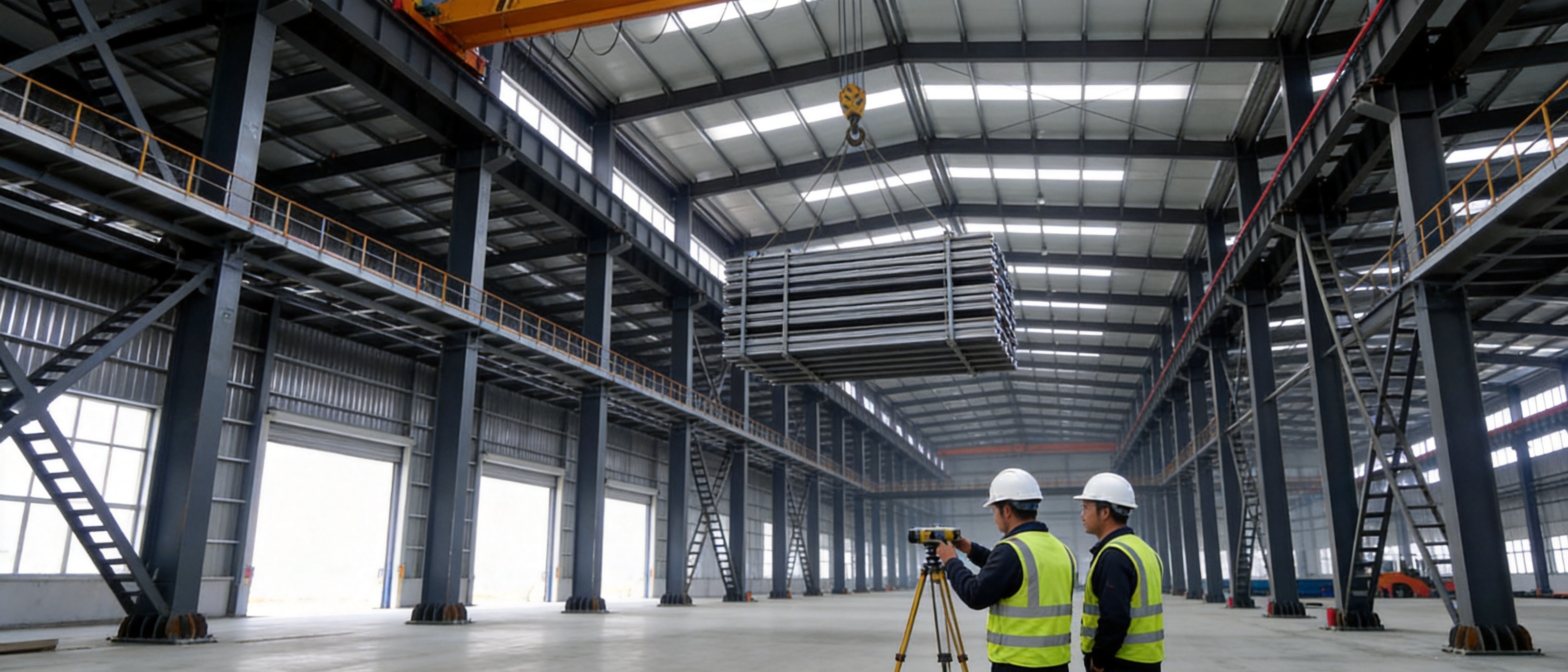
Quality management is not limited to final inspection. It begins with technical review and continues through procurement, processing, assembly, welding, coating, packing, and delivery. A full-process system makes it easier to prevent defects rather than simply detect them after production.
Nantong Hyson Road And Bridge Formwork Co., Ltd. operates under an ISO 9001 quality management framework. It also supports products and processes associated with BS1139 and EN74 requirements where applicable. These standards and quality systems help establish disciplined procedures for material control, production documentation, inspection, and customer communication.
Different projects may require different acceptance criteria. A customer may request dimensional inspection reports, material certificates, weld inspection records, coating reports, photographic evidence, or third-party testing. A flexible manufacturer should be able to organize the required documents as part of the project delivery package.
5.1 Dimensional Inspection
Dimensional checks confirm that components match the approved drawings. Measurements may include length, width, height, plate thickness, hole pitch, diagonals, angles, flatness, straightness, and assembly alignment.
Large structures should be inspected at several stages rather than only after completion. Early checks after cutting and fit-up can prevent errors from being concealed by welding or coating. Final checks verify that the completed assembly remains within tolerance.
5.2 Weld Inspection
Visual testing is the first level of weld inspection. It identifies visible cracks, undercut, overlap, excessive spatter, poor profile, incomplete cleaning, and other surface issues. Depending on the design and customer requirements, non-destructive testing may include ultrasonic testing, magnetic particle testing, dye penetrant testing, or radiographic testing.
The appropriate inspection method depends on the material, weld type, thickness, access, and potential defect location. Inspection personnel should follow approved procedures and record results in a traceable format.
5.3 Traceability
Traceability links raw materials, cutting records, welding activities, inspection results, and finished components. Marking systems may include part numbers, heat numbers, batch codes, or project identifiers. Traceability is especially valuable when a project contains many similar parts or when future maintenance may require confirmation of original materials and processes.
5.4 Corrective Action
Even well-controlled processes may occasionally produce nonconforming parts. A professional quality system defines how these parts are identified, isolated, reviewed, repaired, re-inspected, or rejected. Corrective action should address the root cause rather than merely repairing the visible defect.
Root causes may include incorrect drawings, unsuitable fixtures, operator error, equipment calibration issues, material mix-ups, or insufficient process instructions. Learning from nonconformities improves future production and reduces repeated problems.
6. Why a Specialized Manufacturer Outperforms a General Workshop
Customers sometimes compare steel structure suppliers only by quoted price. However, the lowest fabrication price may not represent the lowest project cost. A supplier with limited engineering support, manual cutting, inconsistent welding, weak documentation, or poor packaging can create additional expenses during installation and operation.
A specialized manufacturer offers several advantages over a general workshop.
6.1 Better Engineering Communication
Experienced structural fabricators understand how drawings become physical assemblies. They can identify inaccessible welds, difficult transport dimensions, unsuitable joint details, missing tolerances, and installation risks before production. Early communication helps avoid change orders and rework.
6.2 More Suitable Equipment
Large steel structures require equipment capable of processing heavy plates, long members, large welded assemblies, and precise connection components. Advanced laser cutting and standardized production lines provide greater accuracy and repeatability than purely manual methods.
6.3 Stronger Process Discipline
Specialized manufacturers normally have established procedures for material receiving, part identification, welding, inspection, coating, and packing. This reduces dependence on individual workers and improves consistency between batches.
6.4 Experience with Complex Projects
Experience in bridge, road, industrial, and power-related projects helps a manufacturer understand the consequences of fabrication errors. Heavy infrastructure projects demand accurate dimensions, reliable welds, strong documentation, and careful logistics. These expectations can be transferred to commercial and industrial OEM work.
6.5 Better Support for Non-Standard Products
General suppliers may prefer simple, repetitive products. A specialized OEM manufacturer is more prepared to handle irregular shapes, large welded frames, complex assemblies, custom embedded parts, and mixed production requirements. This flexibility is important when each customer has a different design or installation method.
7. Manufacturing Strengths Supporting Global OEM Projects
Nantong Hyson Road And Bridge Formwork Co., Ltd. has developed its capabilities around heavy steel fabrication, formwork, scaffolding, and infrastructure-related manufacturing. Its product and service range includes custom bridge and infrastructure formwork, hydraulic tunnel trolleys, certified scaffolding, steel props, industrial steel structures, and heavy steel OEM fabrication.
The company combines automated processing with experienced fabrication practices. Advanced laser cutting supports the production of accurate plates and components, while standardized production lines improve workflow control. Certified AWS and EN welding craftsmanship supports the fabrication of load-bearing assemblies and non-standard structural parts.
With 12 utility patents and an ISO 9001 quality management system, the company emphasizes process improvement and documented quality control. Its manufacturing experience includes supply to major organizations such as China Communications Construction Company and China Railway Construction Corporation, as well as participation in landmark projects including the Sutong Yangtze River Bridge, Taizhou Bridge, and Sudan Thermal Power Plant.
These project experiences demonstrate the ability to work within demanding engineering environments. The same manufacturing discipline can benefit customers in construction, mining, agriculture, transportation, warehousing, energy, and industrial equipment production.
The company’s location in Rugao City, Nantong, Jiangsu, China, provides access to an established manufacturing region with strong industrial supply chains, skilled labor resources, and transportation connections. For overseas buyers, an experienced export-oriented production team can help coordinate documentation, packing, loading, and delivery requirements.
8. Applications Across Different Industries
8.1 Construction
Construction projects use steel structures for building frames, temporary works, platforms, stairs, support systems, formwork, embedded parts, and site facilities. Custom fabrication is valuable when the structure must fit a particular building geometry or construction sequence.
8.2 Transportation Infrastructure
Roads, bridges, rail systems, ports, and terminals require heavy steel components for support, access, maintenance, construction assistance, and permanent infrastructure. Components must often coordinate with concrete structures, mechanical systems, and transport equipment.
8.3 Mining
Mining operations use steel frames for conveyors, crushers, hoppers, maintenance platforms, screening systems, material transfer stations, and equipment shelters. These structures must withstand heavy loads, vibration, dust, impact, and challenging maintenance conditions.
8.4 Agriculture
Agricultural processing and storage facilities depend on steel structures for warehouses, grain handling systems, equipment supports, loading platforms, drying systems, and machinery frames. Corrosion protection and easy maintenance are important in environments exposed to moisture, dust, and changing temperatures.
8.5 Energy and Power
Power plants and energy facilities require steel structures for equipment supports, service platforms, pipe racks, maintenance frames, shelters, and access systems. Fabrication must respect strict safety requirements and coordinate with electrical, mechanical, and civil works.
8.6 Industrial Manufacturing
Factories use custom steel structures to support production equipment, overhead systems, material handling equipment, mezzanines, safety barriers, service walkways, and expansion projects. OEM fabrication allows the steelwork to match the machinery layout and operational workflow.
9. Key Technical Considerations Before Ordering
Customers can improve project efficiency by preparing complete technical information before requesting a quotation. The following details help a manufacturer evaluate the project accurately.
| Required Information | Purpose | Typical Examples |
|---|---|---|
| Approved drawings or 3D models | Defines geometry, connections, and assembly requirements | PDF drawings, CAD files, structural models |
| Material specification | Confirms strength, thickness, grade, and traceability needs | Carbon steel plate, structural sections, stainless components |
| Welding requirements | Establishes procedures, acceptance levels, and inspection scope | AWS or EN requirements, weld class, NDT percentage |
| Surface treatment | Determines corrosion resistance and appearance | Primer, paint system, galvanizing, blasting grade |
| Dimensional tolerances | Ensures fit during assembly and installation | Hole position, member length, flatness, angular tolerance |
| Delivery conditions | Supports packing, lifting, and transport planning | Container loading, bulk shipment, site sequence |
| Inspection documents | Provides evidence of compliance | Material certificates, inspection reports, coating records |
Customers should also explain the operating environment, expected loads, installation method, maximum transport dimensions, site access restrictions, and required delivery date. This information allows the manufacturer to recommend suitable fabrication and packing methods.
10. Project Workflow from Inquiry to Delivery
10.1 Initial Inquiry
The customer submits drawings, specifications, quantities, target delivery dates, and application information. The manufacturer reviews the technical scope and confirms whether the product can be produced using available equipment and processes.
10.2 Engineering and Quotation
The technical team evaluates materials, processing steps, welding requirements, surface treatment, inspection, packing, and logistics. The quotation should clearly identify what is included, what documents will be supplied, and which customer approvals are required.
10.3 Drawing Confirmation
Before production, both sides confirm the latest revision of drawings and technical documents. Revision control is important because fabricating from an outdated drawing can lead to costly rework.
10.4 Sample or First-Article Approval
For complex components or repeat OEM orders, a sample or first article may be manufactured. The customer can verify dimensions, fit, surface treatment, and assembly before the full production batch begins.
10.5 Production and Inspection
Approved materials enter the planned production process. Cutting, forming, fit-up, welding, inspection, coating, and marking are performed according to the agreed requirements. Progress updates may be provided for large or time-sensitive projects.
10.6 Packing and Shipment
Finished parts are packed according to transport requirements. Components are labeled and arranged to support efficient unloading and installation. Shipping documents and inspection records are prepared according to the customer’s needs.
10.7 Technical Support
After delivery, the manufacturer may continue to support installation questions, replacement parts, dimensional clarification, and future production. Long-term communication is particularly valuable for OEM customers who require repeated batches or design updates.
11. Cost Efficiency Beyond the Purchase Price
The total value of a steel structure includes material cost, fabrication cost, transport, installation, maintenance, downtime, and risk. An accurate supplier helps control each of these factors.
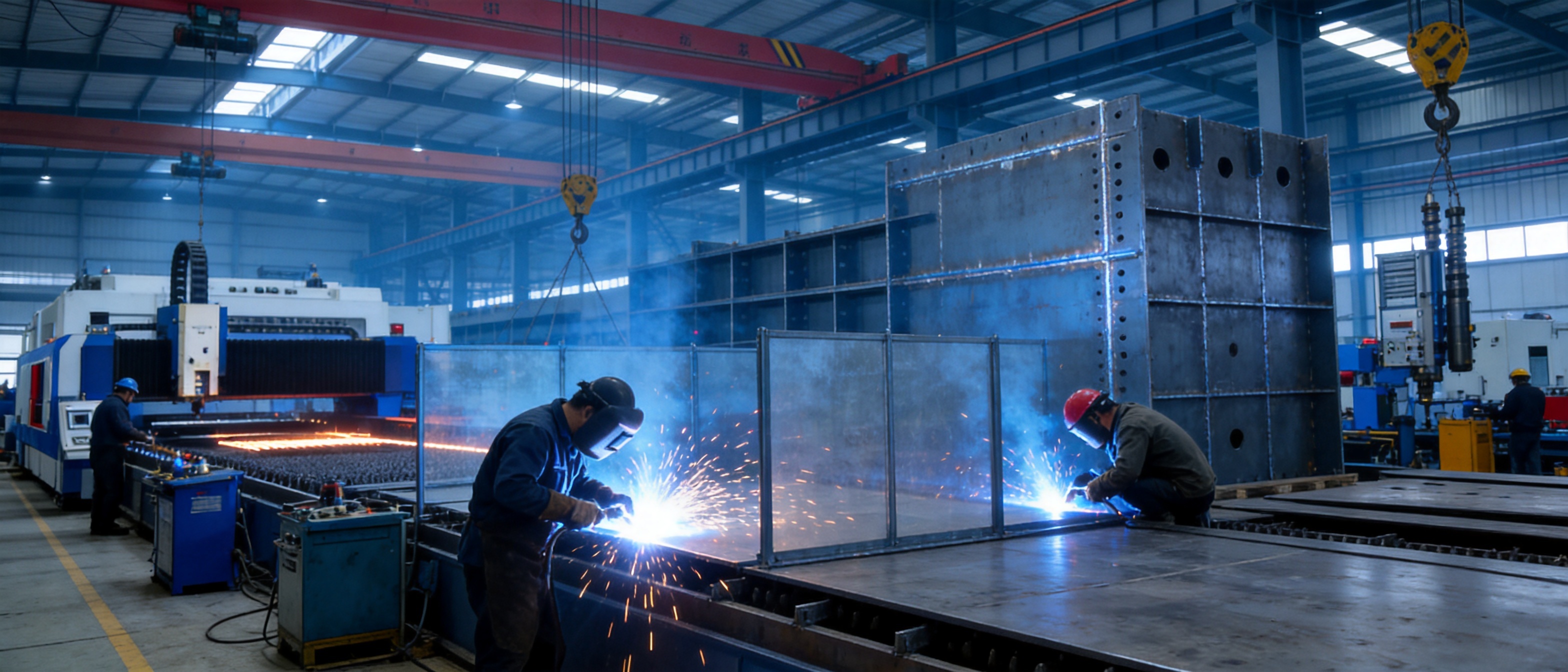
Optimized nesting reduces plate waste. Accurate CNC cutting reduces manual correction. Good fit-up reduces welding time. Controlled welding reduces distortion and repair. Proper coating increases service life. Logical packing reduces unloading and installation labor. These savings may not be visible in a basic quotation, but they can significantly influence total project economics.
Reliable fabrication also reduces schedule risk. Delays caused by missing parts, incorrect holes, dimensional mismatch, or coating damage can affect cranes, labor teams, subcontractors, and site resources. A supplier that delivers complete and installation-ready components supports smoother project coordination.
For repeated OEM production, process stability creates additional benefits. Once the first batch has been approved, fixtures, cutting programs, inspection plans, and packing methods can be refined for future orders. This improves consistency and may reduce unit cost over time.
12. Safety and Structural Reliability
Steel structures are often used in applications where failure could result in major property damage, production interruption, or personal injury. Safety must therefore be integrated into design interpretation, material selection, fabrication, inspection, installation, and maintenance.
Reliable fabrication begins with accurate interpretation of the engineering design. Members must not be substituted without approval, and connection details must not be changed casually. Welding procedures should match the material and loading requirements. Lifting points must be designed for the actual component weight and center of gravity.
During transport, structures must be supported to prevent bending and impact. At the jobsite, installation teams should follow the approved sequence and use suitable lifting equipment. Temporary bracing may be required until the permanent structural system is complete.
After installation, inspection and maintenance should address corrosion, loose bolts, damaged coatings, fatigue-sensitive details, deformation, and changes in loading. A well-fabricated structure is safer and easier to maintain, but ongoing inspection remains essential.
13. Sustainability and Resource Efficiency
Steel is a recyclable material, and structural components can often be reused, modified, or recycled at the end of their service life. Efficient design and CNC nesting reduce manufacturing waste, while factory production can reduce site waste and repeated handling.
Durable coatings and correct detailing extend service life, reducing the need for frequent replacement. Repairable bolted connections and modular assemblies may also support future expansion or relocation. These characteristics make steel suitable for projects seeking long-term resource efficiency.
Manufacturing efficiency can be improved through accurate planning, reduced rework, optimized material utilization, and preventive equipment maintenance. Advanced production methods do not simply increase speed; they also help use raw materials, labor, and energy more responsibly.
14. Frequently Asked Questions
14.1 What types of steel structures can be manufactured on an OEM basis?
OEM production can include industrial frames, warehouse structures, equipment support frames, bridge-related steelwork, platforms, stairs, brackets, embedded parts, welded assemblies, machine bases, conveyor supports, and other non-standard components. The final scope depends on drawings, material requirements, dimensions, and production quantity.
14.2 Can the manufacturer work from customer drawings?
Yes. A professional OEM fabricator can work from approved CAD drawings, PDF drawings, three-dimensional models, bills of materials, or detailed technical specifications. The engineering team should review the files before production and clarify any missing or conflicting information.
14.3 What materials can be used?
Material selection depends on the design and operating environment. Common options include structural carbon steel plates, rolled sections, tubular profiles, alloy materials, stainless steel parts, and other grades specified by the customer. Material certificates and traceability can be provided when required.
14.4 How does laser cutting improve steel fabrication?
Laser cutting provides accurate profiles, clean edges, repeatable dimensions, and efficient production of complex plates and small components. It can reduce manual marking and minimize material waste when supported by suitable nesting software.
14.5 How is welding quality controlled?
Welding quality is controlled through approved procedures, qualified operators, suitable consumables, correct joint preparation, controlled heat input, planned welding sequences, visual inspection, and non-destructive testing when required. AWS and EN-based practices may be applied according to the project specification.
14.6 Can large welded structures be shipped internationally?
Yes, but transport dimensions, weight, lifting points, port requirements, and packing methods must be considered during design and production planning. Oversized assemblies may be divided into modules that are reassembled at the destination.
14.7 What surface treatments are available?
Possible treatments include mechanical cleaning, abrasive blasting, primer application, multi-layer painting, galvanizing, and other protective systems. The correct option depends on the exposure environment, service life requirements, appearance, and customer specification.
14.8 Can the manufacturer produce a prototype before mass production?
A prototype or first article can often be produced for complex or repeated OEM components. This allows the customer to verify fit, dimensions, assembly, and finishing before the complete order is manufactured.
14.9 What documents should accompany the shipment?
Depending on the project, documents may include material certificates, dimensional inspection reports, weld inspection records, coating reports, packing lists, certificates of conformity, assembly instructions, and shipping documents.
14.10 How should customers choose a steel structure supplier?
Customers should evaluate engineering capability, production equipment, experience with similar products, welding qualifications, quality management, inspection capacity, material traceability, packaging, delivery performance, and communication. Price is important, but it should be considered together with total project risk and installation cost.
15. Conclusion
OEM heavy steel structure fabrication is a specialized manufacturing service that combines engineering interpretation, advanced cutting, accurate forming, controlled fit-up, qualified welding, dimensional inspection, surface protection, and professional logistics. The result is more than a collection of steel parts. It is a coordinated structural solution prepared for safe installation and dependable service.
Large steel structural components offer important advantages over less specialized alternatives, including high strength-to-weight performance, design flexibility, rapid site installation, repeatable factory quality, and long-term serviceability. These advantages become even more valuable when the components are produced by a manufacturer with suitable equipment, standardized production lines, experienced personnel, and a documented quality system.
Nantong Hyson Road And Bridge Formwork Co., Ltd. combines heavy steel fabrication experience with laser cutting, certified AWS and EN welding practices, ISO 9001 quality management, and experience supporting major infrastructure and industrial projects. Its capabilities cover industrial structures, bridge and infrastructure components, equipment support systems, scaffolding-related products, formwork, and customized OEM metal fabrication.
For contractors, engineering companies, equipment manufacturers, and project owners, selecting the right fabrication partner can improve dimensional accuracy, reduce installation work, control project schedules, and strengthen long-term structural reliability. With complete drawings, clear specifications, and effective technical communication, customized steel structures can be manufactured efficiently and delivered as dependable, ready-to-install components for construction, transportation, mining, agriculture, energy, and industrial applications.
References
American Institute of Steel Construction. Specification for Structural Steel Buildings.
American Welding Society. Structural Welding Code—Steel.
European Committee for Standardization. EN 1090, Execution of Steel Structures and Aluminium Structures.
European Committee for Standardization. EN 74, Couplers, Spigot Pins and Baseplates for Use in Falsework and Scaffolds.
International Organization for Standardization. ISO 9001, Quality Management Systems—Requirements.
British Standards Institution. BS 1139, Metal Scaffolding.
International Institute of Welding. Recommendations for Welding Procedure Qualification and Weld Quality Control.
Steel Construction Institute. Design and Fabrication Guidance for Structural Steelwork.
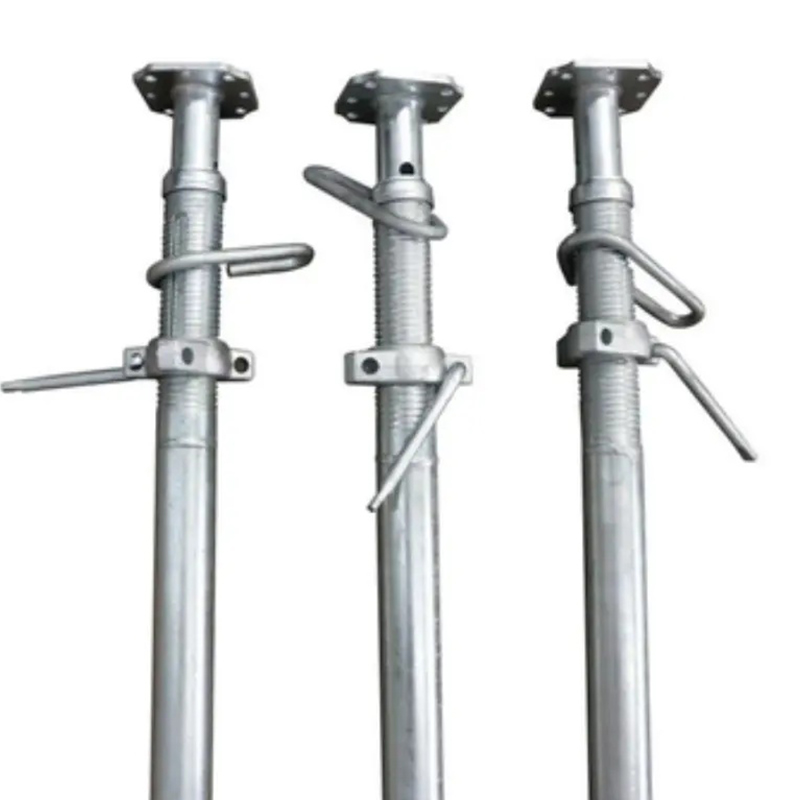
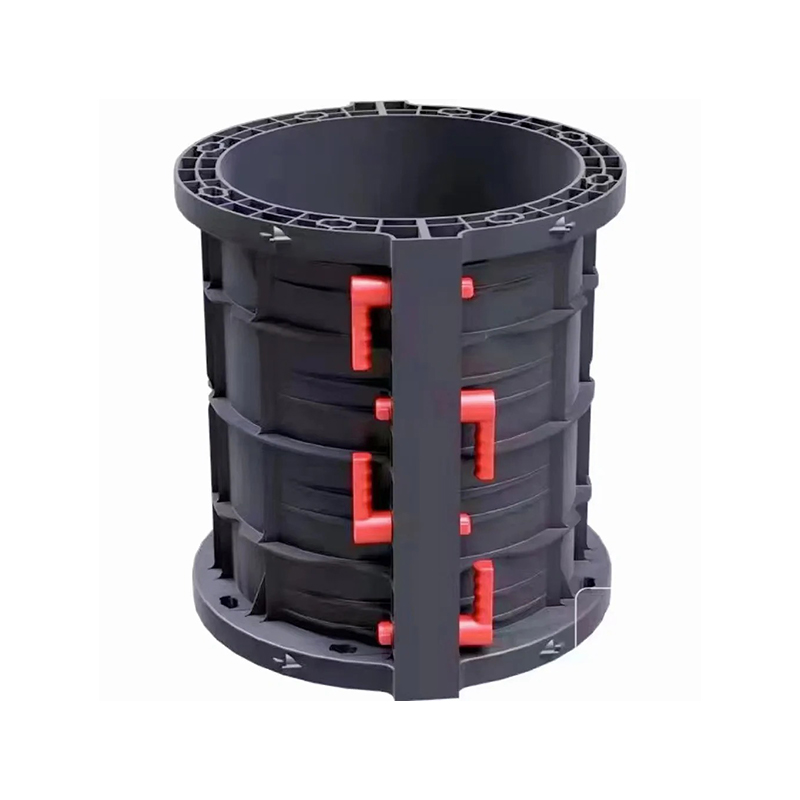
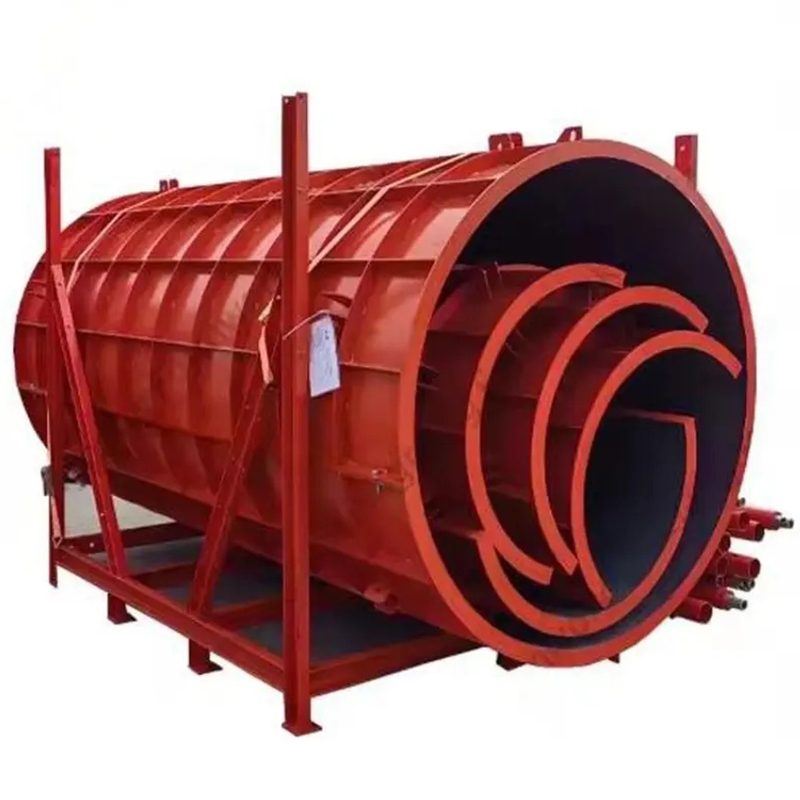
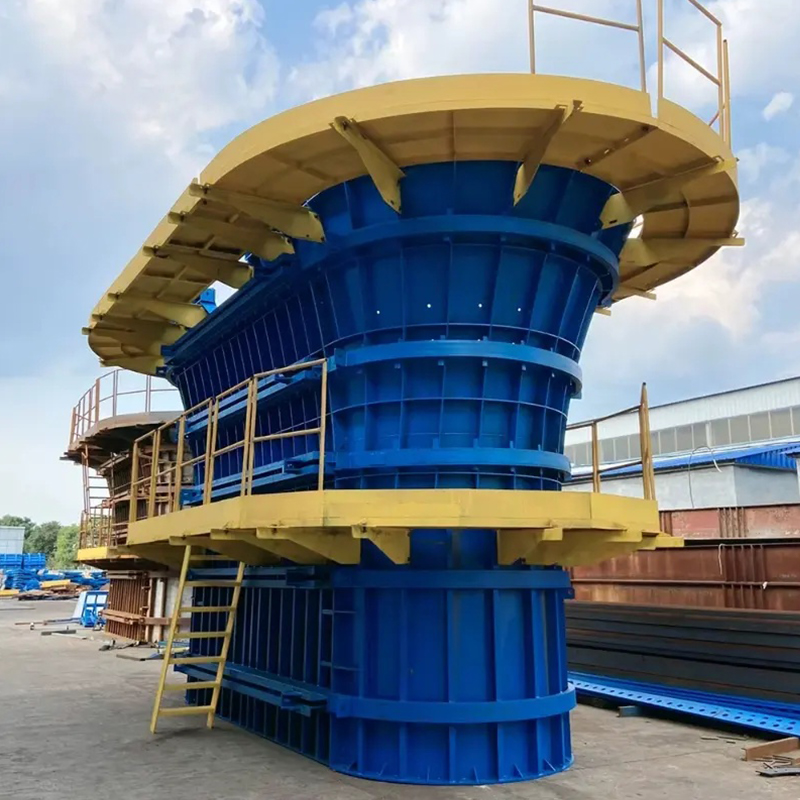
Product: Steel Structure



- Location
- Group 3, Fangzhuang Village, Rucheng Subdistrict, Rugao City, Nantong, Jiangsu, China
- Follow us
- Phone
- +86-13646196162
- info@hysonindustry.com
