 +86-13646196162
 info@hysonindustry.com




 русский
  عربى
عربى 


PP+GF Reinforced Formwork: A High-Performance Plastic-Steel System for Faster, Cleaner, and More Sustainable Concrete Construction
 2026.09.01
Content
- 1 1. Understanding PP+GF Reinforced Formwork
- 2 2. Material Composition and Functional Design
- 3 3. Main Advantages Over Traditional Formwork
- 3.1 3.1 Smooth and flat concrete finish
- 3.2 3.2 Reduced labor requirements
- 3.3 3.3 Lower support demand
- 3.4 3.4 Resistance to water and corrosion
- 3.5 3.5 Impact resistance and durability
- 3.6 3.6 Stable performance across changing temperatures
- 3.7 3.7 Reduced or eliminated release-agent requirements
- 3.8 3.8 Recyclability and reduced waste
- 4 4. Comparison with Timber and All-Steel Formwork
- 5 5. Construction Efficiency and Total Project Economics
- 6 6. Application Scenarios
- 7 7. Recommended Formwork System Configuration
- 8 8. Manufacturing Process and Engineering Control
- 9 9. Integrated Manufacturing Strengths
- 10 10. Quality Control from Design to Delivery
- 11 11. Installation and Handling Recommendations
- 12 12. Sustainability Benefits
- 13 13. Why Manufacturer Capability Matters
- 14 14. Project Selection Considerations
- 15 15. Economic Evaluation Method
- 16 16. Safety and Compliance
- 17 17. Q&A
- 17.1 Q1: What does PP+GF mean?
- 17.2 Q2: Is PP+GF formwork stronger than timber formwork?
- 17.3 Q3: Can the panels be cut on site?
- 17.4 Q4: Is a release agent required?
- 17.5 Q5: How many times can the formwork be reused?
- 17.6 Q6: Can it be used in underground projects?
- 17.7 Q7: Can PP+GF panels be used with steel formwork components?
- 17.8 Q8: Is the material environmentally friendly?
- 17.9 Q9: What concrete surfaces can it produce?
- 17.10 Q10: What makes a manufacturer suitable for customized formwork projects?
- 17.11 Q11: Can the system reduce construction time?
- 17.12 Q12: What should be checked before placing concrete?
- 18 18. Conclusion
- 19 References
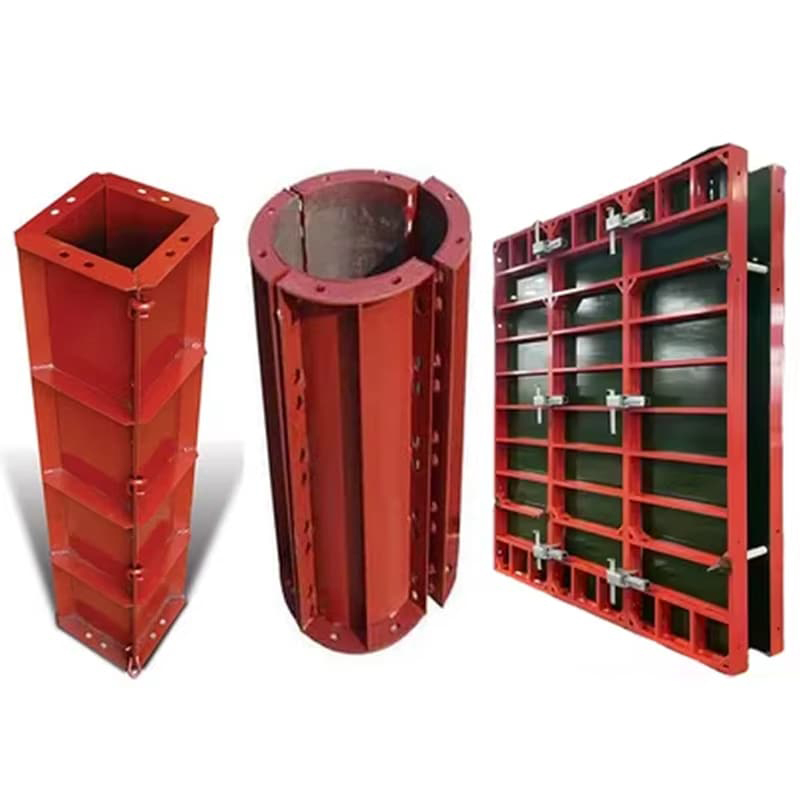
- 20 Product: PP+GF Reinforced Formwork
Modern construction projects increasingly require formwork systems that can deliver more than basic concrete containment. Contractors need panels that are easy to handle, strong enough for demanding cast-in-place applications, accurate enough to produce high-quality concrete surfaces, and durable enough to withstand repeated use. At the same time, project owners are placing greater emphasis on construction speed, labor efficiency, material conservation, environmental performance, and total lifecycle cost.
PP+GF reinforced formwork has been developed to respond to these combined requirements. By integrating polypropylene-based polymer material with glass-fiber reinforcement, the system combines the low weight and workability of plastic with substantially improved strength and dimensional stability. It is designed around the principle of replacing conventional timber formwork with a reusable, recyclable, and high-efficiency alternative.
Compared with ordinary timber panels, the system offers significantly higher resistance to moisture, corrosion, impact, and repeated handling. Compared with traditional all-steel formwork, it can be lighter, easier to modify on site, and more convenient to install in projects where frequent movement or manual handling is required. Its smooth forming surface also supports high-quality concrete finishes while reducing the need for secondary plastering.
This article examines the structure, performance, applications, manufacturing process, quality-control approach, and project value of PP+GF reinforced formwork. It also explains how Nantong Hyson Road And Bridge Formwork Co., Ltd. supports the development and supply of plastic-steel construction systems through its wider experience in steel formwork, scaffolding, steel structures, laser cutting, bending, welding, and customized engineering fabrication.
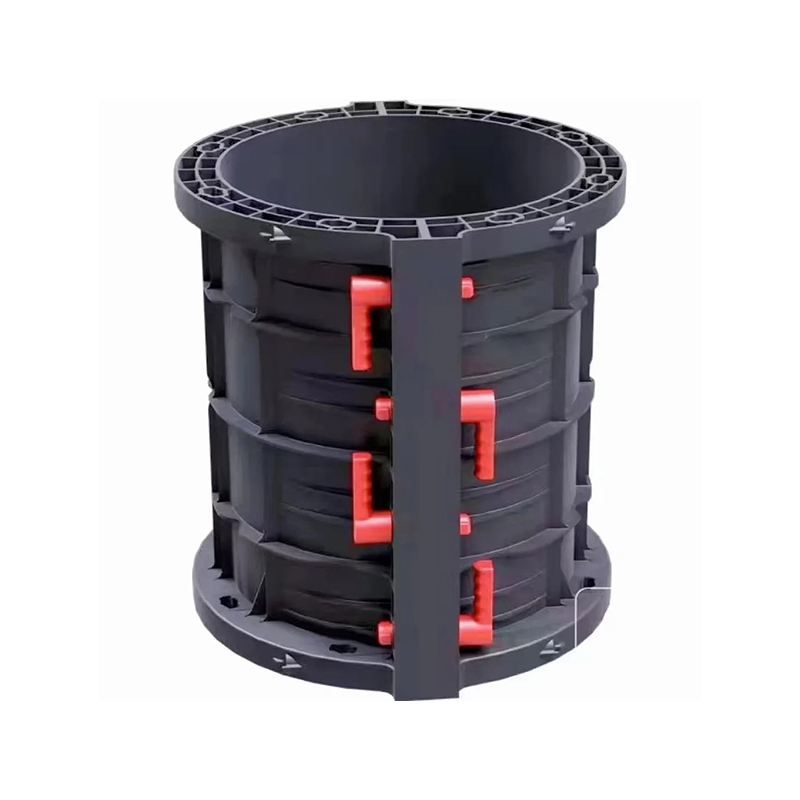
PP+GF Reinforced Formwork
1. Understanding PP+GF Reinforced Formwork
PP+GF reinforced formwork is a plastic-steel construction formwork system based on polypropylene, commonly abbreviated as PP, and glass-fiber reinforcement, commonly abbreviated as GF. Polypropylene provides a lightweight polymer matrix with good resistance to moisture, chemical exposure, and general site conditions. Glass fiber improves the material’s rigidity, strength, and resistance to deformation.
The resulting panel is intended to perform as a reusable construction mold for cast-in-place concrete. Depending on project requirements, the panels can be used in wall, column, beam, slab, foundation, tunnel, bridge, and other concrete-forming applications. They can be combined with appropriate walers, tie systems, supports, props, clamps, or steel framing components to create a complete formwork assembly.
The core design objective is to create a panel that is sufficiently strong for construction loading while remaining practical for workers to transport, position, cut, drill, and remove. This balance is important because formwork productivity depends not only on structural capacity but also on the speed and safety of daily operations.
Traditional timber formwork is familiar and relatively easy to modify, but it can absorb water, swell, warp, crack, and deteriorate after repeated use. Its forming surface may also become rough or damaged, increasing the risk of visible concrete defects. All-steel formwork offers high strength and durability, but heavy panels may require lifting equipment, and field modification can be more difficult.
PP+GF reinforced formwork occupies an important position between these two conventional solutions. It retains the practical workability associated with timber while introducing a more stable, durable, and reusable material system. When properly designed, installed, and supported, it can help contractors improve concrete quality and reduce the cumulative cost of formwork operations.
2. Material Composition and Functional Design
2.1 Polypropylene matrix
Polypropylene is a thermoplastic polymer widely used in industrial and construction-related products because of its low density, moisture resistance, chemical stability, and ease of processing. In a formwork panel, the polymer matrix provides a continuous body that protects the reinforcement and creates the smooth contact surface against fresh concrete.
The non-absorbent characteristics of polypropylene are particularly useful on construction sites. Unlike wood, the panel does not readily absorb mixing water from concrete. This helps maintain more consistent panel behavior during wet and dry cycles and reduces the likelihood of swelling, shrinkage, or surface distortion caused by water absorption.
2.2 Glass-fiber reinforcement
Glass fiber is added to improve the mechanical performance of the polymer. The fibers increase stiffness and contribute to the panel’s ability to resist bending, impact, and deformation under normal construction loads. The reinforcement also helps the panel maintain its shape over repeated uses when it is handled, supported, stripped, cleaned, and reinstalled correctly.
The exact performance of a panel depends on factors including fiber content, fiber distribution, panel geometry, manufacturing conditions, support spacing, fastening arrangements, and the pressure generated by fresh concrete. For this reason, formwork selection should always consider the complete system rather than viewing the panel material in isolation.
2.3 Smooth forming surface
The forming surface is engineered to provide a smooth and relatively uniform interface with concrete. A high-quality surface can reduce the appearance of unwanted texture, joints, and local imperfections. In suitable applications, it can help produce concrete surfaces that meet fair-faced or architectural finish expectations without extensive secondary plastering.
The non-adhesive nature of the surface also makes stripping more efficient. Concrete is less likely to bond strongly to the panel, and the need for conventional release agents may be reduced or eliminated depending on the concrete mix, surface condition, and project requirements. Avoiding release agents can simplify handling, reduce consumable costs, and support cleaner working conditions.
3. Main Advantages Over Traditional Formwork
3.1 Smooth and flat concrete finish
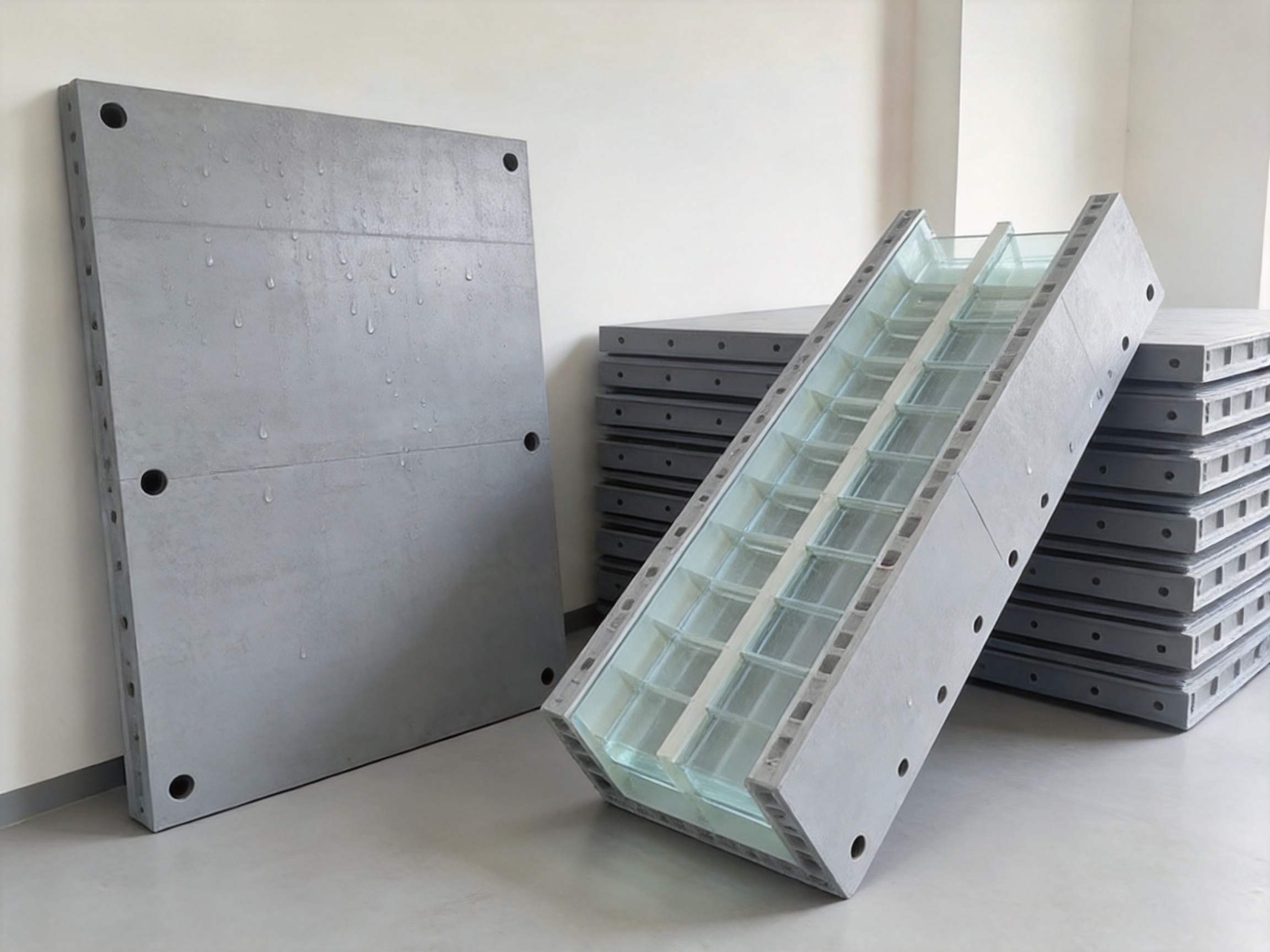
One of the most important benefits of PP+GF reinforced formwork is its ability to provide a smooth, flat forming surface. Timber formwork may show grain, seams, dents, water damage, or progressive surface deterioration. These conditions can transfer irregularities to the concrete and create additional finishing work.
A stable plastic-steel panel can reduce these problems. When the panels are correctly aligned and adequately supported, the resulting concrete face can be sufficiently smooth for many applications. Reduced surface correction means lower consumption of plaster, mortar, labor, and finishing equipment.
For projects with large wall areas, repeated floor slabs, core structures, and visible concrete surfaces, the savings associated with reduced finishing work can be significant. Even when a project still requires localized repairs or decorative treatment, a consistent formwork surface can make the finishing process more predictable.
3.2 Reduced labor requirements
Formwork installation is labor-intensive. Workers must move panels, align them, fasten them, provide supports, install ties, check dimensions, strip the forms, clean the surfaces, and prepare the components for the next use. A system that reduces the effort required at each stage can improve overall productivity.
PP+GF reinforced panels are lightweight compared with many steel alternatives. Their lower handling weight can make manual positioning more practical and can reduce the need for cranes or other lifting equipment in suitable project conditions. Lighter components may also reduce worker fatigue and improve movement in confined areas.
The panels can be sawn, nailed, and drilled using appropriate tools and procedures. This makes it easier to adapt the formwork to non-standard dimensions, openings, corners, embedded items, and local site conditions. Contractors can perform controlled modifications without the specialized hot-work procedures that may be required for cutting or altering steel panels.
Some project cases indicate that productivity can increase substantially, with certain operations achieving approximately double the efficiency of conventional timber-based methods. Actual results depend on crew experience, panel layout, concrete cycle planning, support arrangements, and site organization, but the potential for faster installation and stripping is a major system advantage.
3.3 Lower support demand
Formwork performance is influenced by the panel itself and by the temporary support structure used to resist fresh-concrete pressure. A well-designed plastic-steel system can help reduce the quantity of steel pipe supports required in some applications. Project experience indicates that steel pipe consumption may be reduced by approximately 50 percent under suitable conditions.
Reducing support materials can produce several benefits. It may lower procurement and rental costs, reduce the time required for erection and dismantling, open more working space around the formwork, and simplify transport between work zones. It can also reduce congestion in areas where reinforcement, embedded components, and access routes already compete for space.
Support spacing must never be reduced without engineering confirmation. Fresh concrete pressure varies with placement rate, temperature, slump, vibration, wall height, mix design, and setting time. The panel and its supporting system should therefore be designed according to project loads and the manufacturer’s technical recommendations.
3.4 Resistance to water and corrosion
Construction sites expose formwork to rain, groundwater, wet concrete, cleaning water, cement paste, and changing humidity. Timber can absorb moisture and may deteriorate if it is repeatedly exposed to wet conditions. Steel can corrode when coatings are damaged or when it remains in contact with water, salts, or aggressive chemicals.
PP+GF reinforced formwork is non-absorbent and corrosion-resistant. These properties are valuable in basements, utility tunnels, bridge works, retaining structures, and other environments where moisture is persistent. The panels do not rely on a painted steel surface to provide basic resistance to water, so ordinary wet-site exposure is less likely to create rust-related maintenance issues.
Corrosion resistance is also useful for storage and transportation. Panels can be cleaned and stacked without the same level of concern about surface rust that applies to unprotected steel components. Proper storage remains necessary, but routine exposure to moisture is less damaging to the panel material.
3.5 Impact resistance and durability
Formwork is frequently subjected to impacts during transport, installation, stripping, and stacking. Panels may be dropped, struck by tools, or exposed to accidental contact with reinforcement and construction equipment. The PP+GF structure is designed to provide improved resistance to drops and impacts compared with many conventional plastic products and ordinary timber panels.
Durability is closely related to turnover rate. A panel that survives more construction cycles spreads its initial cost over a larger number of uses. The product is designed for at least 30 uses for flat panels and at least 40 uses for column and beam forms when handled, supported, cleaned, and maintained correctly.
These figures should be treated as practical reference values rather than a universal guarantee for every project. Actual service life depends on concrete pressure, fastening methods, cutting, storage, cleaning tools, UV exposure, chemical conditions, impact severity, and whether the panels are overloaded or improperly stripped.
3.6 Stable performance across changing temperatures
Construction projects may operate in hot summers, cold winters, exposed outdoor areas, or partially enclosed structures. Excessive thermal movement can affect panel alignment, dimensions, joint quality, and concrete appearance. PP+GF reinforced formwork is designed to resist shrinkage and cracking across a working temperature range of approximately -20°C to 60°C.
This temperature resistance supports more reliable use in changing weather conditions. It can reduce the risk of visible deformation caused by ordinary site temperature variation, although the panels should still be protected from extreme heat sources, prolonged uncontrolled exposure, and storage conditions that exceed recommended limits.
Temperature stability is especially valuable in repetitive construction cycles. A panel that maintains its dimensions more consistently is easier to align from one pour to the next. This can contribute to improved joint control and more uniform concrete geometry.
3.7 Reduced or eliminated release-agent requirements
Traditional formwork often relies on release agents to prevent concrete from bonding to the panel. These products add purchasing, storage, application, and cleaning requirements. Excess release agent can also affect concrete appearance, interfere with coatings, or create slippery working surfaces.
The smooth polymer surface of PP+GF reinforced formwork reduces concrete adhesion. In many applications, release agent may not be required. The correct approach depends on the specific concrete mix, surface condition, ambient temperature, stripping schedule, and finish requirements. A project trial or manufacturer recommendation should be used when the concrete specification is especially demanding.
Reducing release-agent use can improve site cleanliness and simplify stripping. It also decreases the risk that workers will apply too much product or apply it unevenly. After stripping, panels can generally be cleaned with practical methods that do not involve extensive refurbishment.
3.8 Recyclability and reduced waste
Timber formwork generates considerable waste when panels are damaged, cut into small pieces, or become unsuitable for further use. Disposal can create additional transport and handling costs. PP+GF reinforced formwork is designed with reuse and recycling in mind.
Offcuts and used panels can be collected and recycled. The ability to recover the material supports a circular approach to construction products and helps reduce the volume of waste sent to disposal. A recyclable system is particularly attractive to contractors working under environmental management plans, green-building requirements, or client sustainability targets.
Recycling should be organized through appropriate collection and processing channels. Panels should not be burned on site, and contamination from concrete, oils, or other materials should be managed according to local requirements. Responsible recovery improves the environmental value of the system and protects the quality of recycled material.
4. Comparison with Timber and All-Steel Formwork
| Evaluation factor | Timber formwork | All-steel formwork | PP+GF reinforced formwork |
|---|---|---|---|
| Handling weight | Generally light, but dimensions and moisture affect weight | Often heavy and may require lifting equipment | Lightweight and convenient for manual handling in suitable applications |
| Resistance to water | Can absorb water, swell, warp, and deteriorate | Requires protection against corrosion | Non-absorbent and corrosion-resistant |
| Surface quality | Can decline with repeated use and moisture exposure | Consistent when maintained properly | Smooth and flat surface suitable for high-quality concrete finishes |
| Field modification | Easy to saw and nail | More difficult and may require specialized equipment | Can be sawn, nailed, and drilled with suitable tools |
| Repeated use | Limited by damage, swelling, and surface wear | High when protected and maintained | Designed for high turnover, including at least 30 uses for flat panels under proper conditions |
| Release agent | Often required | Commonly required depending on surface treatment | May be unnecessary because of the smooth non-adhesive surface |
| Moisture and chemical environments | Less suitable for prolonged wet exposure | Performance depends on coating and corrosion control | Well suited to wet and corrosive construction environments |
| End-of-life recovery | Often becomes construction waste | Steel can be recycled but may require separation and processing | Offcuts and used panels are recyclable through suitable channels |
The comparison shows that no single formwork material is ideal for every structure or construction method. Timber remains useful for one-off work and highly irregular shapes. All-steel formwork is appropriate where very high rigidity, large panel assemblies, or mechanized lifting are central to the construction method. PP+GF reinforced formwork is particularly attractive when contractors require a balance of low weight, repeated use, surface quality, moisture resistance, and field adaptability.
The strongest competitive advantage is not necessarily one isolated material property. It is the combination of properties that influence the complete concrete cycle: preparation, installation, pouring, vibration, stripping, cleaning, storage, and reuse. A panel that performs well across all these stages can produce greater practical value than a product that is strong but difficult to handle or inexpensive but quickly consumed.
5. Construction Efficiency and Total Project Economics
Formwork cost should not be evaluated only by the purchase price of an individual panel. A complete economic assessment should include labor, supports, lifting, release agents, cleaning, repairs, surface finishing, transport, storage, replacement panels, and disposal. High-turnover systems can reduce the amortized cost per use even when their initial price is higher than disposable or short-life alternatives.
For PP+GF reinforced formwork, the potential economic benefits come from multiple sources. The panels can be reused many times, reducing the number of panels required over the duration of a project. Their low weight can reduce handling effort. Their smooth surface can reduce plastering and concrete repair. Their resistance to moisture can lower replacement rates in wet environments. Their ability to be modified with common tools can reduce delays associated with non-standard dimensions.
Some case studies indicate comprehensive cost savings of approximately 50 percent compared with timber formwork. Actual savings depend on project type and management quality. A fair comparison should account for the number of concrete cycles, labor rates, panel loss, support consumption, storage arrangements, finish requirements, and whether the project has repeated standard dimensions.
For high-rise residential buildings, commercial buildings, apartment blocks, and infrastructure projects with repetitive wall or slab layouts, the economic case can be especially strong. The same panel modules can be moved through multiple floors or work zones, improving utilization and simplifying planning.
Projects with irregular geometry can also benefit because the panels can be cut and drilled. However, excessive cutting may reduce reuse potential. The best results are achieved when the formwork layout is planned in advance so that standard panels are used repeatedly and customized pieces are minimized.
6. Application Scenarios
6.1 Civil and commercial buildings
PP+GF reinforced formwork can be used for shear walls, core tubes, floor slabs, beams, columns, foundations, and other cast-in-place elements in civil and commercial construction. The light handling weight is useful on projects where panels must be moved manually between floors or through restricted access routes.
For shear walls and core structures, surface quality and dimensional stability are important. A smooth panel can reduce visible defects and shorten post-pour finishing work. In repetitive floor construction, the ability to clean and reuse panels can support a predictable floor-cycle schedule.
For frame columns and beams, the higher turnover potential of column and beam forms can provide favorable lifecycle economics. Correct corner alignment and adequate clamping are essential to prevent leakage and maintain the specified dimensions of the finished member.
6.2 Underground engineering
Basement exterior walls, underground utility corridors, subway-related structures, drainage facilities, and service tunnels are often exposed to moisture, groundwater, cement slurry, and difficult working conditions. The non-absorbent and corrosion-resistant characteristics of PP+GF reinforced formwork are valuable in these environments.
Underground work also involves limited lighting, narrow access, and restricted lifting opportunities. Lightweight panels can be easier to transport and position in confined areas. The ability to cut or drill the panels can help contractors accommodate penetrations, embedded items, and local geometry changes.
For underground applications, water-tightness depends on the entire formwork assembly. Panel joints, tie rods, corners, penetrations, and support connections must be properly sealed and installed. The panel material alone cannot compensate for poor joint treatment or inadequate structural support.
6.3 Bridges and infrastructure
Bridge piers, retaining walls, culverts, tunnel structures, and other infrastructure elements often require durable formwork capable of operating in outdoor or wet conditions. The product’s resistance to weather, impact, and corrosion supports repeated use across infrastructure work zones.
Bridge projects may involve large quantities of repeated concrete components. A reusable panel system can reduce the need to purchase new timber for every pour and can simplify the movement of formwork between piers or sections. Where steel framing is required for larger assemblies, plastic-steel panels can be integrated with fabricated steel supports and custom reinforcement components.
For retaining walls and tunnel-related structures, surface quality and dimensional control remain important because repairs after stripping can be difficult and expensive. Consistent panel placement, accurate alignment, and controlled concrete placement are essential to achieving the expected result.
6.4 Complex cast-in-place structures
The adaptability of the panels makes them suitable for projects with openings, offsets, irregular corners, local thickening, and embedded components. Workers can perform controlled sawing, drilling, or nailing to create customized pieces. This is useful when standard modular panels cannot fully match the geometry.
Complex structures still require a careful formwork design. Modifications should be planned so that the remaining panel section retains sufficient strength and does not create weak edges. Cut surfaces should be clean and properly supported, and joints should be sealed to prevent cement paste leakage.
7. Recommended Formwork System Configuration
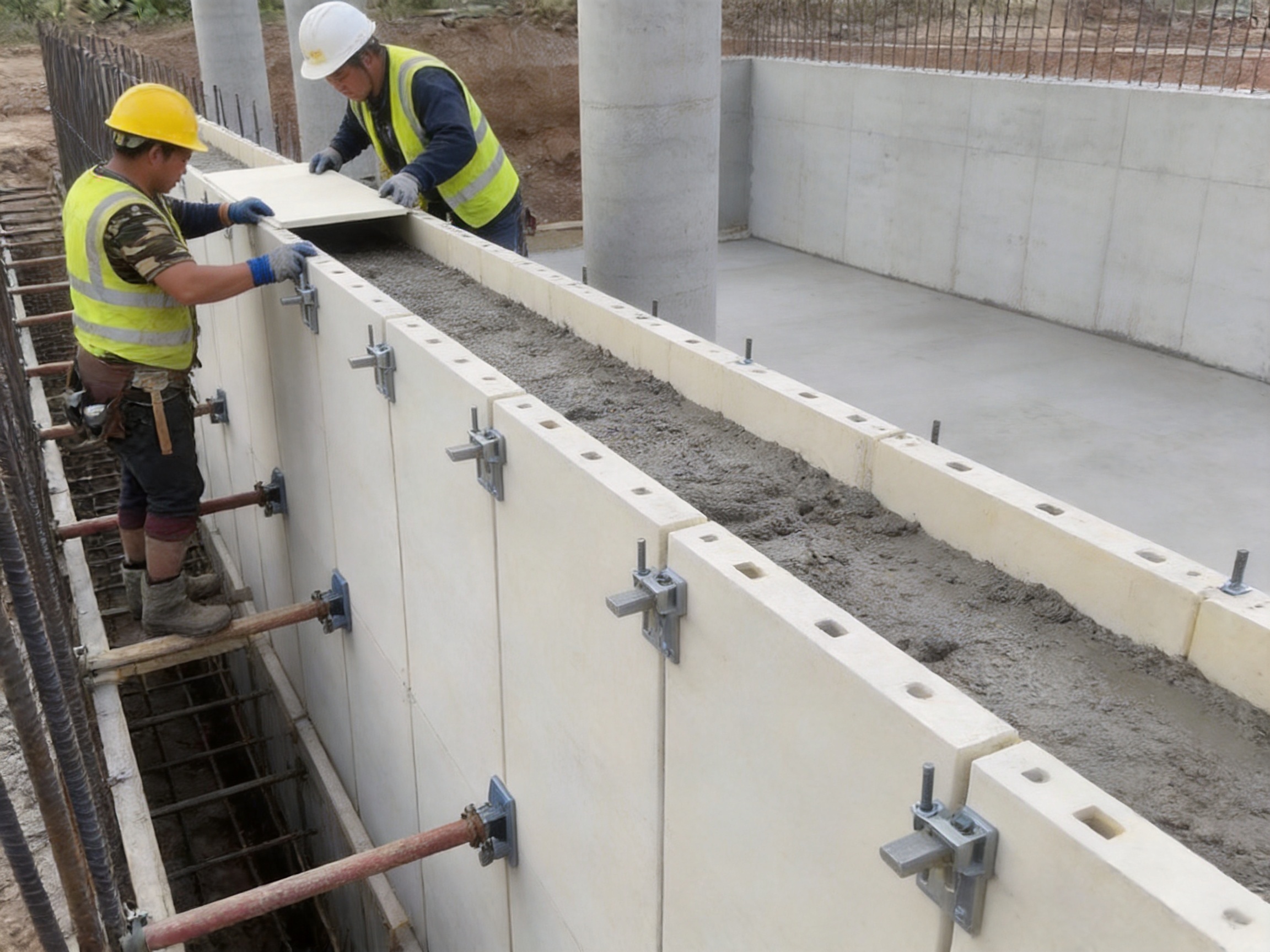
PP+GF panels are most effective when used as part of a complete engineered system. A typical arrangement may include panels, vertical or horizontal walers, tie rods, clamps, corner accessories, adjustable props, steel pipes, beams, brackets, and working platforms. The precise configuration depends on the structural element and the concrete placement conditions.
7.1 Wall formwork
Wall formwork generally consists of opposing panel faces connected by tie systems and restrained by walers or frames. The spacing of ties and supports must be selected according to wall height, concrete pressure, pour rate, vibration method, and panel capacity.
Panel joints should be aligned and tightly closed. Uneven joints can create fins, leakage, or visible lines on the concrete. The base of the wall should be checked carefully because gaps at the bottom are common sources of grout loss and surface defects.
7.2 Column formwork
Column forms can be assembled from panels and corner components or from customized column modules. The form must be square, plumb, and adequately clamped before concrete placement. Internal dimensions should be verified at several points to prevent tapering or bulging.
Because column forms may be reused frequently, corner protection and careful stripping are important. Tools should not be driven between the concrete and panel with excessive force. A controlled release procedure helps preserve edges and extends the service life of the form.
7.3 Beam and slab formwork
Beam and slab applications require a suitable support grid. Panels should be placed on adequately spaced joists, steel pipes, or other approved supporting members. The system must resist the weight of fresh concrete, reinforcement, workers, and construction equipment without excessive deflection.
Before pouring, the construction team should inspect panel level, beam depth, slab thickness, support firmness, and the location of openings. Temporary supports should remain in place for the period required by the structural and construction specifications.
7.4 Tunnel and infrastructure formwork
Tunnel and infrastructure projects may use custom steel frames, hydraulic movement systems, or specialized assemblies together with PP+GF panels. In these applications, the panels provide the concrete-contact surface while the steel structure supplies the required geometry, stiffness, or movement capability.
This combined approach is one area where a manufacturer with both polymer formwork and heavy steel fabrication experience can provide additional value. A coordinated solution can reduce interface problems between the panel, support frame, lifting points, and mechanical movement system.
8. Manufacturing Process and Engineering Control
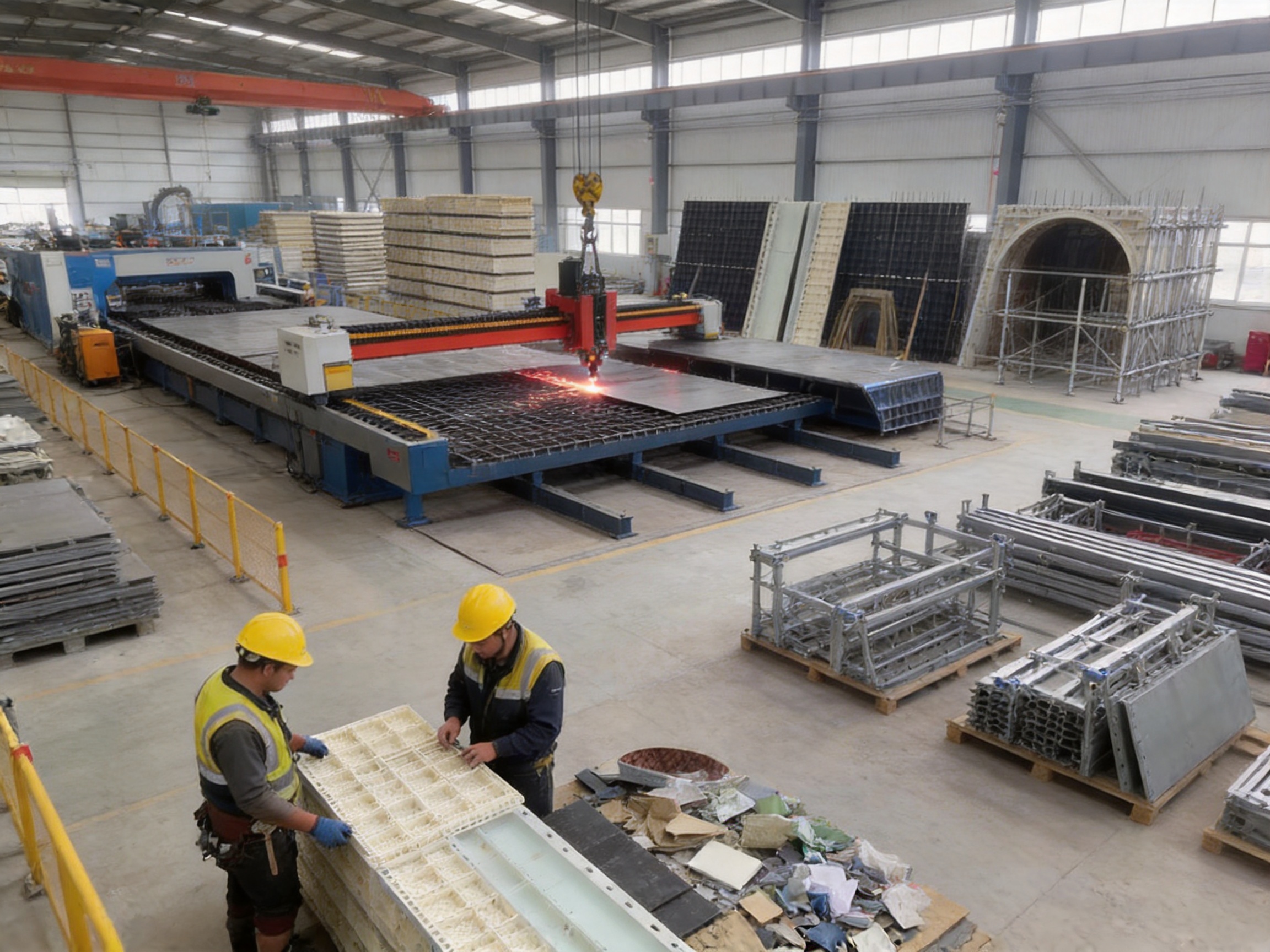
The performance of reinforced formwork depends on the quality of the raw materials, the accuracy of the mold, the stability of the production process, and the consistency of inspection. A professional supplier should control the entire manufacturing chain rather than treating the panel as a simple plastic product.
8.1 Material preparation
The manufacturing process begins with the preparation and inspection of polypropylene-based material and glass-fiber reinforcement. Material selection must consider strength, stiffness, impact resistance, dimensional stability, temperature performance, and compatibility with the intended processing method.
Raw materials should be stored in clean and controlled conditions. Moisture, contamination, incorrect proportions, and inconsistent batching can affect the appearance and mechanical performance of the finished panel. Clear identification and traceability support more reliable production management.
8.2 Mold and panel design
Panel geometry must be designed for both structural performance and manufacturing practicality. Rib patterns, edge profiles, connection features, thickness distribution, and dimensional tolerances influence stiffness, handling, stacking, and compatibility with accessories.
Computer-aided design can be used to develop standard panel modules and customized components. Engineering review is particularly important for non-standard shapes, large panels, integrated connection features, or products intended for high-pressure concrete applications.
8.3 Forming and reinforcement integration
The polymer and glass-fiber materials are processed under controlled temperature and pressure conditions to create a consistent panel body. The objective is to achieve uniform material distribution, adequate fiber integration, smooth surface quality, and stable dimensions.
Manufacturing parameters must be monitored because excessive temperature, insufficient pressure, poor material flow, or uneven cooling can create warping, voids, weak areas, surface defects, or dimensional variation. Stable production equipment and experienced operators are therefore essential.
8.4 Edge finishing and dimensional inspection
After forming, panels may undergo trimming, edge finishing, hole processing, marking, and accessory preparation. The dimensions of the panel, position of holes, flatness, edge condition, and connection compatibility should be checked against the approved drawings or product specifications.
Accurate edges and holes support faster assembly on site. Poorly positioned connection features can lead to misalignment, forced installation, excessive joint gaps, or unnecessary field modification. Inspection at this stage helps prevent avoidable problems during construction.
8.5 Load and performance verification
Depending on the product specification and intended application, testing may include bending resistance, impact resistance, dimensional stability, temperature exposure, surface quality, fastening performance, and repeated-use evaluation. Practical trial assembly can also identify issues that may not be visible in laboratory testing.
Formwork capacity must be evaluated in relation to support spacing and construction conditions. A panel with excellent material properties can still fail if it is inadequately supported, overloaded, or exposed to unexpected concrete pressure. Technical documentation should therefore explain the applicable limits and recommended installation practices.
9. Integrated Manufacturing Strengths
Nantong Hyson Road And Bridge Formwork Co., Ltd. is a professional manufacturer serving the construction and infrastructure sectors. Its broader production capabilities include custom steel formwork, ringlock scaffolding, steel props, heavy-duty steel structures, bridge and tunnel formwork, hydraulic tunnel trolleys, and OEM metal fabrication.
This manufacturing background is relevant to plastic-steel formwork because many projects require more than panels alone. Contractors may need steel walers, brackets, frames, platforms, supports, lifting components, embedded assemblies, or custom transition pieces. A supplier that understands both formwork engineering and steel fabrication can help coordinate these elements more effectively.
9.1 Laser cutting and precision processing
The company is equipped with advanced laser cutting equipment for steel plate and component processing. Laser cutting supports accurate production of connection plates, brackets, stiffeners, base plates, gussets, flanges, and other non-standard steel components used with formwork and structural systems.
Accurate cutting helps reduce dimensional variation and improves the fit-up of fabricated components. It can also reduce material waste through optimized nesting and support efficient production of customized parts for different projects.
9.2 Bending and forming
Steel bending and forming operations allow the production of profiles, brackets, channels, curved components, and other shapes required for specialized formwork and structural assemblies. Coordinating cutting and bending within the same manufacturing workflow can improve consistency between drawings and finished parts.
For infrastructure applications involving curved walls, tunnel profiles, bridge components, or special reinforcement frames, controlled bending is particularly important. The geometry of each component must correspond with the project’s engineering drawings and assembly sequence.
9.3 Certified welding capability
The company applies AWS and EN welding craftsmanship to its steel fabrication work. Welding quality affects the load-bearing capacity, alignment, fatigue resistance, and service reliability of formwork frames and heavy steel structures.
Welding control generally involves qualified procedures, appropriate consumables, trained operators, visual inspection, dimensional checks, and additional non-destructive testing where required by the project. These practices are important when steel frames are used to support high loads or are repeatedly assembled and dismantled.
9.4 Standardized production lines
Standardized production lines help maintain repeatability across batches. They support clearer work instructions, more consistent inspection points, better scheduling, and improved traceability. Standardization is especially valuable for modular formwork, where panel dimensions and accessory interfaces must remain consistent over a large quantity of products.
At the same time, construction projects often require non-standard components. A strong manufacturer must combine standardized processes with flexible engineering and fabrication capabilities. This allows common components to be produced efficiently while customized pieces are developed for particular site conditions.
9.5 Quality management and certifications
The company operates with ISO 9001 quality-management principles and supplies products aligned with relevant international standards, including BS1139 and EN74 for applicable scaffolding and access-system products. Its experience with certified construction equipment supports a disciplined approach to documentation, inspection, and production control.
Certifications and standards do not replace project-specific engineering. They provide a framework for consistent manufacturing and quality assurance. Buyers should confirm the applicable standard, test report, design load, material specification, and inspection documentation for the exact product being supplied.
9.6 Engineering patents and technical development
With 12 utility patents, the company has developed practical technical solutions related to construction equipment and formwork manufacturing. Utility patents may support improvements in connection methods, structural arrangements, handling, adjustment, or production design.
Technical development is most valuable when it solves real construction problems. Better connections can shorten assembly time. Improved reinforcement can increase stiffness without excessive weight. More practical accessories can reduce field improvisation and improve safety during installation.
10. Quality Control from Design to Delivery
Reliable formwork performance requires quality control at every stage. The process begins with reviewing the customer’s drawings, concrete geometry, expected turnover, support arrangement, working environment, and logistics requirements. A technically suitable panel must also be compatible with the contractor’s construction method.
10.1 Design review
Design review should confirm panel dimensions, joint arrangements, openings, corners, tie locations, support spacing, lifting requirements, and access provisions. For complex structures, three-dimensional modeling can help identify interference between formwork, reinforcement, embedded parts, and temporary supports.
10.2 Incoming material inspection
Polymer and reinforcement materials should be checked before production. Steel used for frames, walers, brackets, and supports should be verified against the required grade and thickness. Material records improve traceability and help ensure that substitute materials are not introduced without approval.
10.3 In-process inspection
In-process inspection may include checking forming temperature, pressure, cycle time, fiber distribution, panel thickness, surface finish, hole position, and edge quality. For steel components, inspections may include cutting dimensions, bend angles, weld preparation, weld appearance, and assembly alignment.
10.4 Final inspection and packing
Before shipment, finished products should be checked for quantity, dimensions, accessories, markings, surface condition, and documentation. Panels should be stacked and packed to prevent deformation or impact during transport. Steel parts should be protected against damage and, where necessary, corrosion during storage and delivery.
Clear packing lists and installation information help contractors prepare more efficiently. For OEM projects, product identification, drawing revision control, and component labeling are particularly important because customized parts may appear similar while serving different positions in the assembly.
11. Installation and Handling Recommendations
Although PP+GF reinforced formwork is designed for practical site use, correct handling is essential for achieving its full service life. Panels should be inspected before installation. Damaged panels, distorted edges, blocked holes, or components with weakened connection areas should be repaired or removed from service.
Panels should be transported without dragging them over rough ground. When lifting several panels together, the bundle should be properly secured. During manual handling, workers should use safe lifting methods and avoid throwing panels or allowing them to fall from height.
Before concrete placement, the formwork must be aligned, plumbed, supported, and securely connected. Tie rods, clamps, walers, props, and braces should be installed according to the approved arrangement. The contractor should verify that the complete system can resist the anticipated fresh-concrete pressure.
Concrete should be placed at a controlled rate. Excessively rapid pouring can generate pressure beyond the assumed design condition. Proper vibration is also important. Over-vibration can increase pressure and may cause leakage or local movement, while insufficient vibration can create voids and honeycombing.
Stripping should begin only when the concrete has achieved the required condition and when removal will not damage edges or compromise structural performance. Panels should be released gradually rather than pried violently. After removal, concrete residue should be cleaned using methods that will not gouge or abrade the forming surface.
Panels should be stored flat or in an approved arrangement, protected from unnecessary impact, contamination, and prolonged exposure to extreme conditions. Accessories should be collected, inspected, and stored with the panels so that the next installation cycle can proceed without delays.
12. Sustainability Benefits
The environmental case for PP+GF reinforced formwork is based on resource efficiency throughout the product lifecycle. Replacing short-life timber panels with a reusable system can reduce the demand for new timber and lower the amount of formwork waste generated over a project.
Longer turnover also means that fewer panels may be needed to complete the same number of concrete pours. The lower weight of the system can reduce handling energy and transportation requirements in some logistics plans. Reduced use of release agents and plastering materials may further lower the consumption of construction chemicals and finishing products.
At the end of its useful service period, the panel can be recycled rather than discarded as mixed construction waste. Offcuts from site modifications may also be collected for recovery. This supports more responsible material management and aligns with the growing demand for recyclable construction products.
Sustainability performance should be assessed realistically. Transportation distance, manufacturing energy, support materials, cleaning practices, and end-of-life collection all affect the total environmental impact. The greatest benefit is achieved when panels are reused extensively and then returned to an appropriate recycling stream.
13. Why Manufacturer Capability Matters
Choosing formwork is not only a material decision. It is also a decision about engineering support, production reliability, customization, delivery coordination, and after-sales service. A panel may be technically suitable, but a project can still experience delays if accessories are incomplete, dimensions are inconsistent, or customized components are not delivered on schedule.
A manufacturer with experience in large infrastructure projects understands the consequences of small production errors. Misaligned holes, incorrect brackets, missing stiffeners, or unverified welds can affect installation speed and site safety. This is why disciplined production planning and full-process quality control are important.
Nantong Hyson Road And Bridge Formwork Co., Ltd. has supplied formwork and heavy steel products for major infrastructure and industrial projects. Its project experience includes involvement in applications associated with the Sutong Yangtze River Bridge, Taizhou Bridge, and Sudan Thermal Power Plant. Such experience provides practical understanding of demanding construction environments and large-project manufacturing expectations.
The company serves as an OEM supplier for global customers and can provide customized solutions for construction, mining, agriculture, transportation, and infrastructure industries. Its integrated capabilities cover laser cutting, bending, welding, assembly, and the production of ready-to-install steel components.
For buyers of PP+GF reinforced formwork, this broader capability can be valuable when the project requires a combined system. The customer may obtain panels together with custom steel frames, supports, brackets, platforms, or other fabricated components. Coordinated supply can simplify procurement and reduce the risk of dimensional incompatibility between different vendors.
14. Project Selection Considerations
Before adopting PP+GF reinforced formwork, contractors should review several technical and commercial factors. The first is the repetition level of the project. High-repetition projects usually provide the best opportunity to spread the panel cost over many uses.
The second factor is the concrete geometry. Standard walls, slabs, columns, and beams are generally easy to plan using modular panels. Irregular geometry can also be accommodated, but the design should control the number and location of cuts.
The third factor is the support system. Panel selection must be coordinated with walers, ties, props, frames, and work platforms. The design should establish allowable support spacing and expected deflection under the selected concrete placement conditions.
The fourth factor is the required concrete finish. If the project requires fair-faced or architectural concrete, a sample panel and trial pour can help verify surface appearance, joint treatment, stripping behavior, and any need for release agent.
The fifth factor is site logistics. The contractor should evaluate panel storage, movement between floors or work zones, access limitations, cleaning facilities, and the availability of suitable cutting and drilling tools.
The sixth factor is local climate and exposure. The product is designed for a broad temperature range and offers strong resistance to moisture and corrosion, but project teams should still confirm suitability for unusual chemical exposure, prolonged ultraviolet exposure, or extreme operating conditions.
15. Economic Evaluation Method
A practical cost evaluation can be organized around the following categories:
Initial panel and accessory cost: This includes panels, supports, clamps, ties, props, steel frames, and required handling equipment.
Labor cost: Estimate installation, alignment, inspection, stripping, cleaning, repair, and relocation time for each concrete cycle.
Consumable cost: Include release agents, repair materials, plaster, mortar, fasteners, and cutting accessories.
Support-material cost: Compare steel pipe, timber joists, walers, braces, and other temporary support requirements.
Reuse value: Estimate the number of cycles that can be achieved under actual project conditions and calculate the amortized cost per use.
Waste and disposal cost: Include timber waste, damaged panels, packaging, transport to disposal facilities, and environmental management requirements.
Schedule value: Consider whether faster formwork turnover can reduce the overall project duration or allow additional work to proceed earlier.
Using this method, contractors can compare PP+GF reinforced formwork with timber and steel alternatives on a lifecycle basis rather than through initial purchase price alone. The potential 50 percent comprehensive cost saving reported in certain cases should be validated against project-specific data.
16. Safety and Compliance
Formwork is temporary works, but it carries significant construction risk. The formwork system must be designed and erected to prevent collapse, excessive movement, concrete leakage, and unsafe access conditions. All workers should receive training in installation, inspection, stripping, lifting, and modification procedures.
Panels that are cut or drilled on site should be checked to ensure that the modification does not weaken a critical area. Unauthorized changes to tie locations, support spacing, or panel edges may reduce capacity. Any major modification should be reviewed by the responsible engineer or technical supervisor.
Work platforms, ladders, guardrails, and access routes must be provided separately or integrated into the approved formwork system. Workers should not climb on unsecured panels or stand on components that have not been designed as platforms.
Environmental claims such as recyclability should be supported by proper collection and processing. Panels should be separated from general waste when they reach the end of their useful life. The product should also be used within its specified temperature, load, and handling limits.
17. Q&A
Q1: What does PP+GF mean?
PP+GF means polypropylene reinforced with glass fiber. Polypropylene provides the polymer matrix, while glass fiber improves stiffness, strength, impact resistance, and dimensional stability. Together, they create a reinforced panel suitable for reusable concrete formwork.
Q2: Is PP+GF formwork stronger than timber formwork?
It is designed to provide higher durability and more stable performance than ordinary timber panels, particularly under moisture, impact, and repeated-use conditions. However, the actual load capacity depends on panel design, support spacing, fastening, and concrete pressure. The complete formwork assembly must be engineered for the project.
Q3: Can the panels be cut on site?
Yes. The panels can generally be sawn, nailed, and drilled using suitable tools. Cutting should be planned carefully, and modified panels should remain adequately supported. Excessive cutting or cutting through critical reinforcement areas may reduce service life or load capacity.
Q4: Is a release agent required?
The smooth, non-absorbent surface can reduce concrete adhesion, and many applications may not require a release agent. The final decision depends on the concrete mixture, finish specification, stripping schedule, panel condition, and site trial results.
Q5: How many times can the formwork be reused?
The product is designed for at least 30 uses for flat panels and at least 40 uses for column and beam forms under proper handling, support, cleaning, and storage conditions. Actual turnover may be higher or lower depending on project conditions and maintenance practices.
Q6: Can it be used in underground projects?
Yes. Its non-absorbent and corrosion-resistant characteristics make it suitable for basement walls, utility tunnels, underground structures, and other wet environments. Joint sealing, tie installation, and support design remain essential for water-tight and structurally stable construction.
Q7: Can PP+GF panels be used with steel formwork components?
Yes. The panels can be integrated with steel walers, frames, brackets, props, tie systems, and custom support structures. This hybrid arrangement combines a lightweight concrete-contact surface with the rigidity and customization potential of fabricated steel components.
Q8: Is the material environmentally friendly?
The system supports environmental objectives through repeated reuse, reduced timber consumption, reduced waste, and recyclability. Offcuts and used panels can be recycled through appropriate channels. The overall environmental benefit depends on the number of reuse cycles, transport, cleaning, and end-of-life management.
Q9: What concrete surfaces can it produce?
When panels are clean, undamaged, correctly aligned, and properly jointed, they can produce smooth and flat concrete surfaces suitable for many architectural and structural applications. The final finish also depends on concrete quality, vibration, placement rate, reinforcement congestion, and workmanship.
Q10: What makes a manufacturer suitable for customized formwork projects?
A suitable manufacturer should combine design capability, material control, standardized production, accurate processing, welding expertise, inspection systems, project coordination, and technical support. Integrated laser cutting, bending, welding, and assembly capabilities are especially useful when panels must be combined with custom steel components.
Q11: Can the system reduce construction time?
It can support faster construction by reducing handling weight, simplifying field modification, improving stripping and cleaning, reducing secondary finishing, and enabling repeated panel use. The actual schedule benefit depends on formwork planning, crew organization, concrete cycle management, and site logistics.
Q12: What should be checked before placing concrete?
The contractor should check panel alignment, verticality, dimensions, joint tightness, tie installation, support spacing, brace stability, openings, embedded items, cleanliness, and access safety. The complete arrangement should be approved before pouring begins.
18. Conclusion
PP+GF reinforced formwork offers a practical response to the limitations of traditional timber and all-steel systems. It combines a lightweight polymer body with glass-fiber reinforcement to provide strength, impact resistance, dimensional stability, moisture resistance, and high reuse potential.
Its smooth forming surface can improve concrete appearance and reduce secondary plastering. Its non-absorbent surface can simplify stripping and cleaning. Its ability to be sawn, nailed, and drilled makes it adaptable to complex site conditions. Its resistance to corrosion and weather supports use in underground, infrastructure, and outdoor projects. With suitable handling, flat panels can achieve at least 30 uses, while column and beam forms can achieve at least 40 uses.
The system’s strongest value comes from its combined effect on the construction cycle. Lower handling effort, reduced support demand, fewer finishing operations, high turnover, and recyclable material can contribute to a lower comprehensive cost. Case studies reporting savings of approximately 50 percent compared with timber formwork demonstrate the potential, although every project should conduct its own lifecycle evaluation.
Manufacturing capability is equally important. Nantong Hyson Road And Bridge Formwork Co., Ltd. supports customized construction solutions through experience in formwork, scaffolding, heavy steel structures, bridge and tunnel equipment, laser cutting, bending, welding, and OEM fabrication. Its standardized production lines, quality-management approach, AWS and EN welding craftsmanship, utility patents, and major-project experience provide a foundation for supplying reliable formwork and integrated steel components.
For contractors, developers, infrastructure companies, and engineering procurement teams seeking a reusable alternative to timber or a lighter complement to all-steel systems, PP+GF reinforced formwork is a strong candidate. When selected through proper engineering, manufactured with disciplined quality control, and operated according to sound site procedures, it can improve productivity, concrete quality, project economics, and environmental performance.
References
1. ACI Committee 347, Guide to Formwork for Concrete, American Concrete Institute.
2. EN 74, Couplers, Spigot Pins and Baseplates for Use in Falsework and Scaffolds.
3. BS 1139, Metal Scaffolding and Accessories.
4. AWS D1.1, Structural Welding Code—Steel, American Welding Society.
5. ISO 9001, Quality Management Systems—Requirements.
6. European Committee for Standardization, Guidance on Temporary Works and Construction Equipment Quality Control.
7. Technical literature on polypropylene materials, glass-fiber reinforcement, polymer processing, and recyclable construction products.
8. Project-level formwork design calculations, concrete placement plans, and manufacturer application recommendations.
Product: PP+GF Reinforced Formwork



- Location
- Group 3, Fangzhuang Village, Rucheng Subdistrict, Rugao City, Nantong, Jiangsu, China
- Follow us
- Phone
- +86-13646196162
- info@hysonindustry.com
