 +86-13646196162
 info@hysonindustry.com




 русский
  عربى
عربى 


PP+GF Reinforced Formwork: A High-Performance Plastic-Steel Solution for Modern Concrete Construction
 2026.07.31
Content
- 1 What Is PP+GF Reinforced Formwork?
- 2 Core Material Advantages
- 3 Advantages Compared with Timber Formwork
- 4 Advantages Compared with Conventional Steel Formwork
- 5 Surface Quality and Concrete Finishing Performance
- 6 Installation and Workability
- 7 Durability in Difficult Construction Environments
- 8 Turnover Rate and Total Cost of Ownership
- 9 Productivity Benefits on Construction Sites
- 10 Applications in Civil and Commercial Buildings
- 11 Applications in Underground Engineering
- 12 Applications in Infrastructure Projects
- 13 Advanced Manufacturing Capabilities
- 14 Quality Management and Engineering Reliability
- 15 Experience in Major Engineering Projects
- 16 OEM and Customization Services
- 17 Environmental and Sustainability Benefits
- 18 Safety and Best-Practice Considerations
- 19 How to Select the Right Formwork System
- 20 Why Choose an Integrated Manufacturer?
- 21 Frequently Asked Questions
- 21.1 What does PP+GF mean?
- 21.2 Is PP+GF formwork stronger than timber?
- 21.3 Can the panels be cut on site?
- 21.4 Does the formwork require a release agent?
- 21.5 How many times can the panels be reused?
- 21.6 Can the formwork be used in cold or hot weather?
- 21.7 Is the material waterproof?
- 21.8 Can PP+GF formwork be used for bridges and tunnels?
- 21.9 How does the product compare with steel formwork?
- 21.10 Can used panels be recycled?
- 21.11 Can the manufacturer produce customized components?
- 21.12 What quality systems support the products?
- 21.13 What information should a customer provide for a quotation?
- 22 Conclusion
- 23 References
- 24 Product: PP+GF Reinforced Formwork
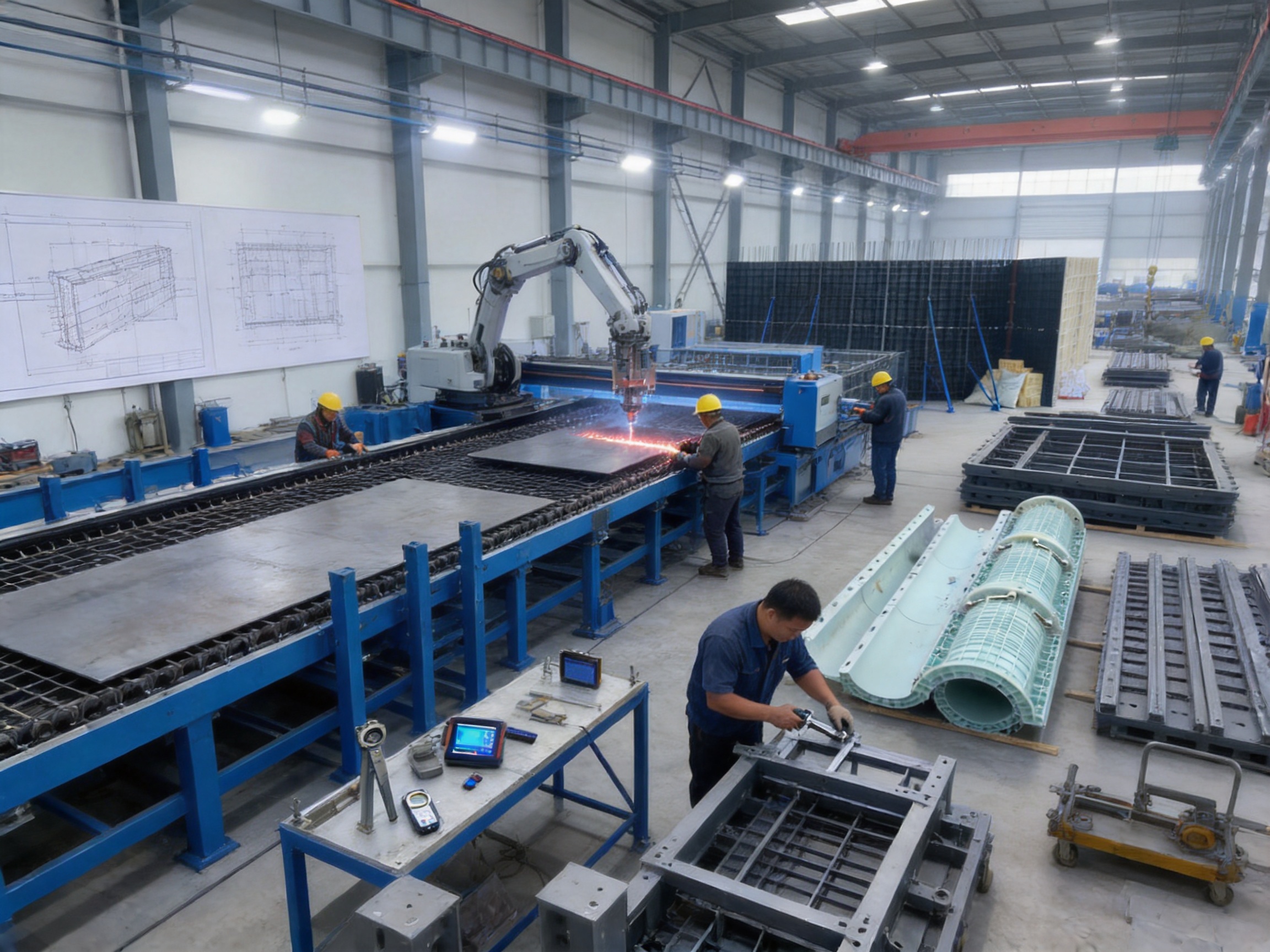
Construction projects are under continuous pressure to improve productivity, reduce material waste, control labor costs, and achieve better concrete finishes. Traditional timber formwork remains familiar and widely available, but it often involves high consumption, repeated replacement, moisture-related deformation, and considerable cleaning work. Conventional all-steel formwork provides strength and durability, yet it can be heavy, difficult to move, expensive to handle, and less convenient when project conditions require on-site modification.
PP+GF reinforced formwork is designed to address these limitations. By combining a polypropylene-based polymer matrix with glass-fiber reinforcement, this plastic-steel formwork system integrates the lightweight and workable characteristics of plastic with the strength, stiffness, and durability required for concrete forming. It is developed around the principles of replacing wood with plastic, conserving energy, reducing waste, and improving the overall economics of cast-in-place construction.
The system is suitable for civil buildings, commercial buildings, underground structures, bridges, tunnels, retaining walls, utility corridors, and other reinforced-concrete applications. Its smooth forming surface, low water absorption, resistance to impact, adaptability to cutting and drilling, and high turnover potential make it a practical alternative to timber formwork and a more manageable option than heavy steel panels in many construction environments.
Manufactured by Nantong Hyson Road And Bridge Formwork Co., Ltd., the product is supported by experience in custom formwork, heavy steel fabrication, bridge and infrastructure components, scaffolding, and OEM metal processing. This combination of polymer formwork development and advanced steel manufacturing capability enables the supplier to provide not only standard panels but also customized systems, supporting components, connection solutions, and project-oriented engineering services.
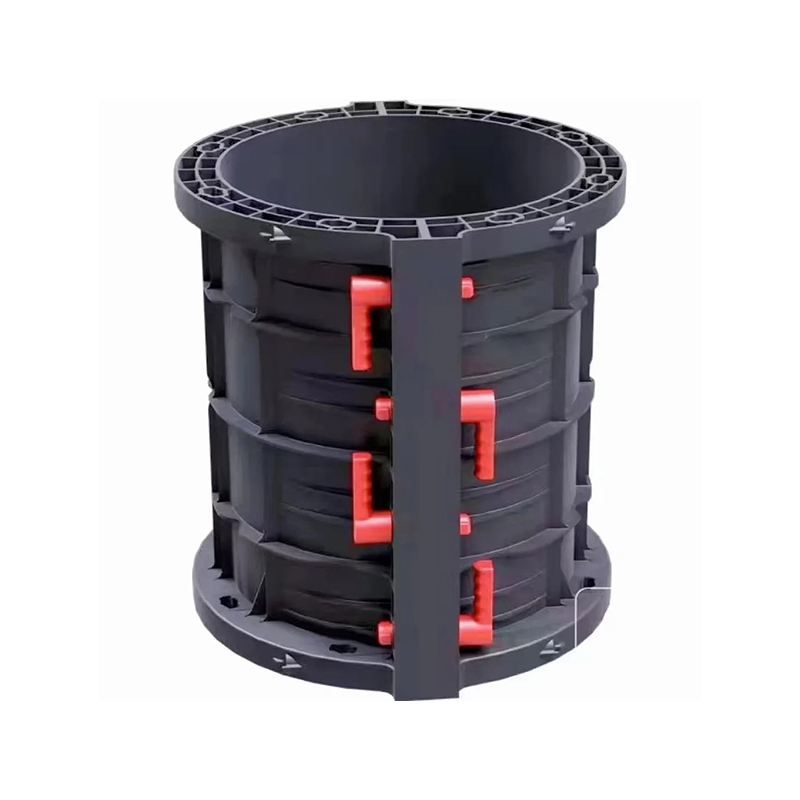
PP+GF Reinforced Formwork
What Is PP+GF Reinforced Formwork?
PP+GF reinforced formwork is a reusable construction panel or formwork component made from polypropylene reinforced with glass fiber. PP, or polypropylene, provides a relatively lightweight, chemically resistant, and moisture-resistant base material. Glass fiber improves stiffness, strength, dimensional stability, and resistance to impact and repeated use.
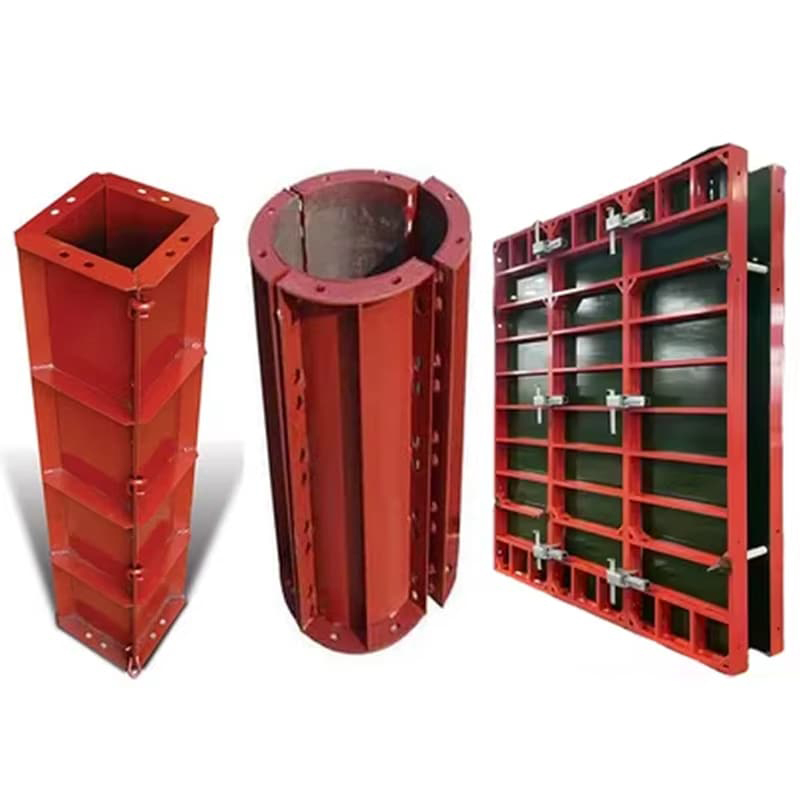
The resulting material is neither ordinary plastic sheet nor conventional timber formwork. It is an engineered plastic-steel formwork solution intended to withstand the pressure and handling conditions associated with cast-in-place concrete. Depending on the system configuration, the panels can be combined with ribs, frames, connecting elements, steel supports, props, or other reinforcement components to create formwork for walls, slabs, beams, columns, tunnels, and infrastructure structures.
The product is particularly valuable where a contractor needs a balance between low weight and high mechanical performance. Timber panels may be easy to cut but can absorb water, swell, warp, crack, and deteriorate quickly. Steel panels are strong and stable but may require cranes, larger crews, and more demanding transportation and installation procedures. PP+GF reinforced formwork occupies an advantageous middle position: it is significantly easier to handle than many heavy steel systems while delivering much greater durability and dimensional stability than ordinary wood-based panels.
The panel surface is manufactured to provide a smooth and flat concrete-contact face. This helps transfer a cleaner finish to the concrete and can reduce or eliminate secondary plastering in applications where the achieved surface meets the project’s fair-faced concrete requirements. The exact result depends on panel condition, alignment, joint treatment, concrete mix, vibration, curing, and construction workmanship, but the smooth surface provides a strong foundation for high-quality concrete finishing.
Core Material Advantages
Polypropylene Matrix
Polypropylene is widely used in industrial products because of its low density, moisture resistance, chemical resistance, and practical processing characteristics. In construction formwork, these properties help create panels that are easier to carry and less vulnerable to the water-related damage commonly associated with timber.
The non-absorbent nature of the material helps prevent the panel from taking in mixing water from fresh concrete. This supports more consistent panel behavior and reduces the risk of swelling, distortion, or surface deterioration caused by repeated wetting and drying. It also makes the panels easier to clean after stripping.
Glass-Fiber Reinforcement
Glass fiber is incorporated to improve the mechanical performance of the polymer. It increases stiffness and helps the panel resist bending, impact, and repeated handling. This reinforcement is especially important because a formwork panel must maintain its shape while fresh concrete exerts pressure against it.
Glass-fiber reinforcement also contributes to dimensional stability over a broad working temperature range. According to the supplied product information, the formwork is designed to resist shrinkage and cracking between approximately -20°C and 60°C. Actual service performance depends on design, loading, storage, installation, and local environmental conditions, but the stated temperature range demonstrates the product’s suitability for varied construction climates.
Plastic-Steel Formwork Concept
The plastic-steel concept combines polymer panels with structural reinforcement and supporting elements. It does not simply replace a timber board with a plastic board; it creates a complete forming approach that can include standardized panel dimensions, connecting hardware, steel props, adjustable supports, edge elements, and customized components.
This approach allows contractors to obtain the practical benefits of plastic while maintaining the structural reliability expected from professional formwork systems. It also provides opportunities for integration with the manufacturer’s steel fabrication capabilities, including laser-cut components, formed parts, welded frames, connection plates, and non-standard project accessories.
Advantages Compared with Timber Formwork
Smoother Concrete Finish
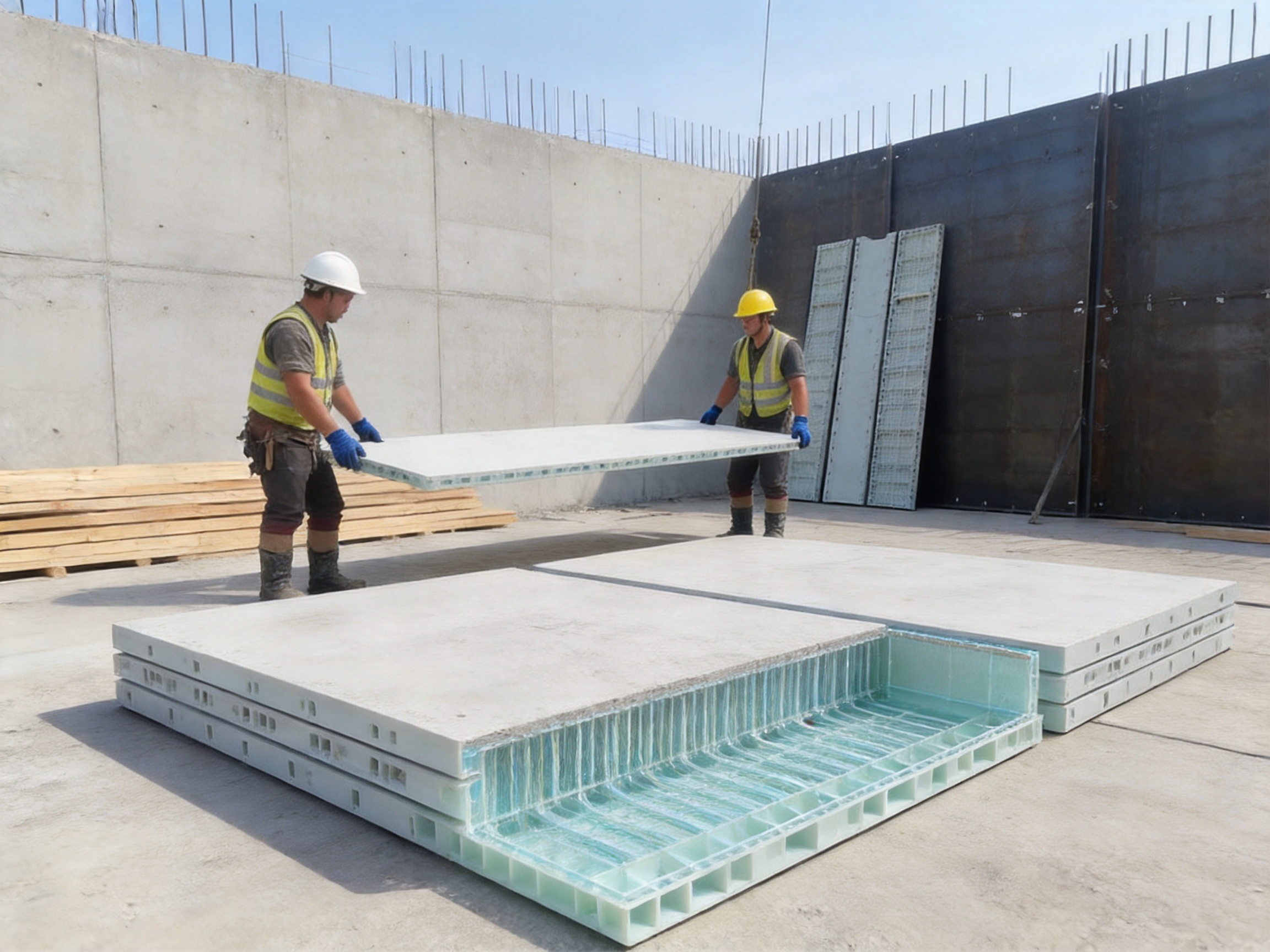
Timber formwork can produce acceptable concrete surfaces, but the result is strongly affected by the quality, moisture content, age, and previous usage of the wood. Grain patterns, damaged edges, raised fibers, and panel joints may appear on the concrete surface. PP+GF panels provide a smoother and more uniform contact surface, helping contractors achieve a cleaner finish across repeated pours.
For projects requiring high visual quality, a smooth panel can reduce the need for additional surface treatment. Where the concrete meets the applicable fair-faced requirements, the contractor may be able to reduce secondary plastering, skim coating, or patching. This can save labor, shorten finishing schedules, and reduce the consumption of cement-based finishing materials.
Reduced Moisture Damage
Wood absorbs moisture. During construction, repeated contact with wet concrete, rain, groundwater, and cleaning water can cause timber panels to swell, warp, delaminate, or develop dimensional changes. These problems can affect alignment and result in inconsistent concrete geometry.
PP+GF reinforced formwork is non-absorbent and does not depend on a wood fiber structure for its performance. Its resistance to moisture makes it suitable for basement walls, utility tunnels, wet working conditions, and other environments in which timber can deteriorate rapidly.
Higher Reuse Potential
Timber formwork generally has a limited service life. Even when carefully handled, it may be damaged during stripping, weakened by nails and screws, or rendered unsuitable by concrete buildup. PP+GF panels are designed for repeated turnover. The supplied product information indicates a minimum turnover potential of approximately 30 uses for flat panels and 40 uses for column and beam forms, subject to correct application and maintenance.
Higher reuse reduces the amount of formwork purchased for a project and lowers the amortized cost per pour. It can also reduce the number of deliveries, storage requirements, disposal operations, and interruptions caused by damaged or unavailable panels.
Less Dependence on Release Agents
Concrete does not readily adhere to the smooth PP+GF contact surface under normal forming conditions, so a release agent may not be required. This simplifies preparation before pouring and reduces the labor associated with brushing, spraying, or replenishing release chemicals.
Eliminating or reducing release-agent use can also provide environmental and housekeeping benefits. Workers have fewer chemical products to handle, and the forming surface is less likely to become contaminated by excessive oil or uneven application. The appropriate approach should always be confirmed through project testing, especially when a particular concrete mix, temperature, surface finish, or stripping method is used.
Lower Material Waste
Timber offcuts, damaged panels, and worn-out boards often become construction waste. By contrast, PP+GF formwork offcuts and used panels can be recycled. The supplied product information describes the material as 100% recyclable, supporting a lower-waste construction strategy and helping contractors align with environmental requirements.
Recyclability does not eliminate the need for responsible collection and processing. Contractors should separate damaged formwork from other waste streams and work with suitable recycling channels. Nevertheless, the ability to recover the material at the end of its usable life offers a clear advantage over disposable or short-life timber systems.
Advantages Compared with Conventional Steel Formwork
Lower Handling Weight
Steel formwork is valued for its strength and long service life, but its weight can create practical challenges. Large steel panels may require cranes or mechanical lifting equipment. Moving them between work areas can consume time and expose workers to greater handling risks. Heavy panels also increase transportation and storage demands.
PP+GF reinforced formwork is designed to be lighter and more convenient for manual handling. Workers can often carry, position, adjust, and remove panels with smaller crews and less lifting equipment. This is especially useful in confined sites, interior work, renovation projects, small construction zones, and locations where crane access is limited.
Easier On-Site Modification
One of the important practical benefits of the system is its adaptability. The panels can be sawn, nailed, and drilled using appropriate tools and procedures. This allows contractors to adjust the formwork to openings, irregular corners, embedded items, pipe penetrations, changes in dimensions, and site-specific geometry.
Heavy steel panels are generally less convenient to modify on site. Cutting or drilling them may require specialized equipment, hot-work controls, additional labor, and repainting or corrosion protection. PP+GF panels provide a faster alternative for minor adjustments while retaining the ability to be reused in future work.
Reduced Support Requirements
The supplied product information indicates that use of the system can reduce the need for steel pipe supports by approximately 50% in some applications. The exact reduction depends on panel dimensions, concrete pressure, support spacing, wall height, pour rate, temperature, connection design, and the project’s structural requirements. Even where the result differs from this reference value, a reduction in auxiliary support can reduce assembly time, material rental, site congestion, and labor consumption.
Support reduction is not a reason to overlook engineering requirements. Formwork must always be designed and installed to resist fresh-concrete pressure, construction loads, impact, vibration, wind, and accidental forces. The product’s advantage is that its engineered panel and reinforcement configuration can help create an efficient support arrangement when correctly designed.
Improved Project Mobility
Because the panels are lightweight and easy to process, the system can be moved more easily from one work area to another. This mobility is valuable on projects with repeated floor layouts, multiple structural zones, or changing construction sequences.
For contractors managing several projects, reusable PP+GF panels can also be distributed between sites with less transportation effort than heavy steel assemblies. Standardized panel sizes make inventory planning easier, while customized components can be produced for specialized structures.
Surface Quality and Concrete Finishing Performance
Concrete quality is influenced by many factors, including mix design, reinforcement congestion, vibration, curing, temperature, joint sealing, and formwork alignment. The formwork surface is one of the most visible factors because it directly contacts the concrete. A smooth, flat, and stable panel helps reduce surface defects and supports consistent architectural appearance.
PP+GF reinforced formwork is designed to provide a flat contact surface that can meet the technical requirements of fair-faced concrete in suitable applications. Its smooth finish helps reduce the transfer of wood grain, surface irregularities, and damaged-panel marks. The panel can also be cleaned and reused without the progressive surface degradation often seen in timber.
Proper joint treatment remains important. Even a high-quality panel cannot compensate for open joints, misalignment, damaged edges, insufficient ties, or inadequate support. Contractors should inspect panel edges before each use, remove concrete residue, verify connections, and seal joints when required by the finish specification.
The ability to reduce secondary plastering can create several economic benefits. Labor is saved during finishing, material consumption is reduced, and the project can move more quickly to painting, waterproofing, tiling, or installation work. In exposed concrete applications, improved surface consistency can also reduce patching and visual correction.
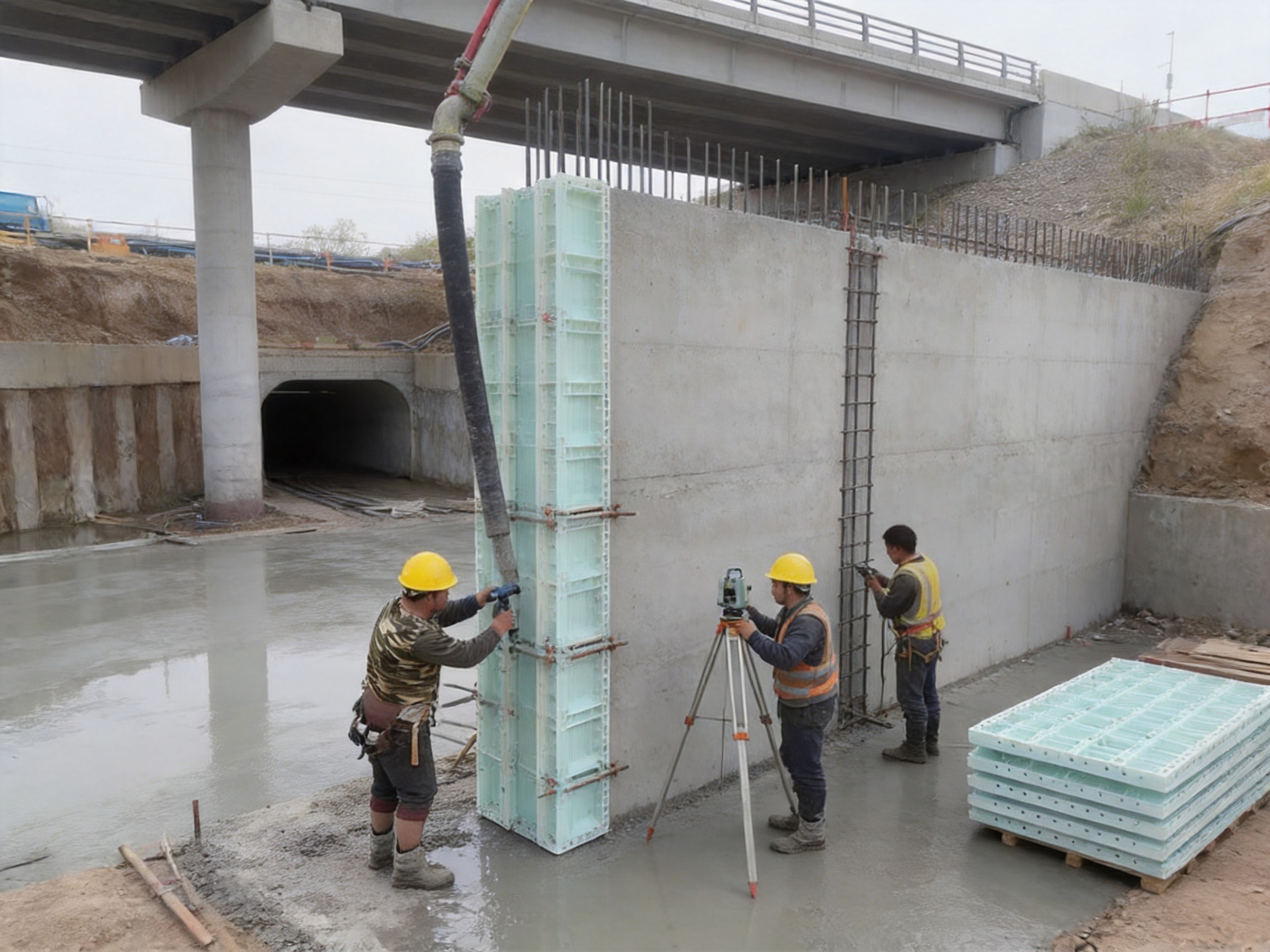
Installation and Workability
Preparation Before Assembly
Before installation, the construction team should review the formwork layout, panel dimensions, support spacing, tie arrangement, openings, construction joints, and stripping sequence. Panels should be checked for damage, excessive deformation, contamination, or missing accessories.
The supporting structure must be stable, level, and capable of carrying the anticipated loads. The location of reinforcement, embedded parts, sleeves, and service openings should be confirmed before the panels are closed. Early coordination prevents unnecessary cutting and helps preserve the reusable value of the panels.
Cutting and Drilling
The panels can be sawn and drilled for project-specific requirements. Cutting should be performed with suitable tools that produce clean edges and limit excessive heat or damage. Drilled holes should be positioned accurately and kept clear of critical reinforcement ribs or connection zones.
After modification, cut edges should be inspected and cleaned. Where necessary, edge protection, sealing, or a compatible connector should be used to prevent concrete leakage and maintain panel integrity. Good modification practices allow customized fitting without sacrificing the panel’s future reuse.
Panel Connection
Panels should be connected using the appropriate fasteners, clamps, ties, frames, or proprietary accessories for the selected system. Connections must remain tight during concrete placement. Gaps can allow grout leakage, while weak or incorrectly spaced connections can cause bulging, displacement, or dimensional inaccuracies.
For wall and column applications, alignment should be checked in both vertical and horizontal directions. For slab and beam applications, the supporting system should be adjusted to achieve the required elevation, levelness, and camber where specified.
Concrete Placement
Concrete should be placed at a controlled rate that matches the formwork design. Excessive pour speed can increase lateral pressure and create loads beyond the planned support arrangement. Proper vibration is also essential. Over-vibration may increase pressure and cause segregation, while insufficient vibration can leave voids and honeycombing.
Before pouring, the team should verify that the panels are clean, connections are secure, supports are braced, and openings are properly closed. After pouring begins, workers should monitor alignment, leakage, movement, and support behavior continuously.
Stripping and Cleaning
Stripping should be carried out only after the concrete has reached the required strength or after the responsible engineer has approved removal. Panels should be loosened carefully rather than struck excessively. Avoiding unnecessary impact protects both the formwork and the concrete edges.
After removal, residual concrete should be cleaned from the panel surface and connection areas. Because concrete does not readily adhere to the smooth material, cleaning is generally easier than with rough or damaged timber. Panels should be stacked on a stable, level surface and protected from unnecessary impact, contamination, or unsafe storage conditions.
Durability in Difficult Construction Environments
Moisture and Corrosion Resistance
Underground construction, foundations, utility tunnels, water-related structures, and coastal projects often expose formwork to moisture and corrosive conditions. Timber may absorb water, while unprotected steel may require maintenance against corrosion. PP+GF reinforced formwork is non-absorbent and corrosion-resistant, making it suitable for environments where moisture is a persistent concern.
The material does not rust, and its polymer surface does not require the same corrosion-protection treatment as carbon-steel panels. This can simplify storage, cleaning, and long-term maintenance. Where the system incorporates steel frames or accessories, those steel components should still receive suitable protection and inspection according to the project environment.
Impact and Drop Resistance
Construction materials are frequently moved, stacked, and repositioned under demanding site conditions. Panels may experience accidental drops, knocks from tools, or contact with temporary works. The reinforced material is designed to resist drops and impacts better than ordinary brittle plastic sheets or weakened timber boards.
Impact resistance improves practical service life, but it does not make the formwork indestructible. Panels with deep cuts, broken ribs, excessive deformation, or damaged connection points should be removed from service or repaired according to the supplier’s recommendations.
Weather Stability
Formwork can be exposed to sunlight, rain, frost, heat, and repeated temperature changes. The stated operating range of approximately -20°C to 60°C gives the system a broad environmental working window. Its resistance to shrinkage and cracking helps maintain dimensional consistency across changing conditions.
Proper storage remains important. Panels should be kept organized, supported, and protected from unnecessary long-term exposure when not in use. Maintaining clean, flat, and undamaged panels contributes directly to concrete quality and turnover performance.
Flame Retardancy and Safety Considerations
The product information identifies the formwork as flame-retardant. This characteristic can contribute to safer material management, but it should not be interpreted as making the product fireproof. Site teams must still follow hot-work controls, storage rules, fire prevention procedures, and applicable construction regulations.
Turnover Rate and Total Cost of Ownership
Purchase price alone does not determine formwork economics. Contractors should evaluate the complete cost of acquisition, transportation, installation, support, cleaning, repair, storage, labor, finishing, replacement, and disposal. A formwork product with a higher initial price may produce a lower cost per use if it lasts longer and reduces labor.
PP+GF reinforced formwork is designed for high turnover. The reference figures indicate at least 30 uses for flat panels and approximately 40 uses for column and beam forms, depending on handling and project conditions. Compared with short-life timber, this can significantly reduce the number of panels required over the course of a project.
Case information supplied for the product indicates potential comprehensive cost savings of approximately 50% compared with timber formwork. Actual savings vary according to local timber prices, labor rates, project repetition, panel design, support requirements, concrete finish specifications, and the contractor’s maintenance practices. Nevertheless, the economic mechanism is clear: repeated reuse, reduced finishing work, lower support consumption, simpler cleaning, and improved productivity can all contribute to lower amortized cost.
| Evaluation Factor | Timber Formwork | Conventional Steel Formwork | PP+GF Reinforced Formwork |
|---|---|---|---|
| Handling weight | Light to medium, depending on panel construction | Heavy; mechanical handling may be required | Lightweight and convenient for manual handling |
| Moisture resistance | Limited; may swell, warp, or deteriorate | Good when properly protected, but corrosion may occur | Non-absorbent and corrosion-resistant |
| Surface finish | Variable; affected by grain, damage, and moisture | Generally smooth and stable | Smooth and flat, suitable for high-quality concrete finishes |
| On-site modification | Easy to saw and nail | More difficult; specialized cutting may be needed | Can be sawn, nailed, and drilled |
| Cleaning effort | May be difficult if concrete adheres to damaged surfaces | Usually requires scraping and maintenance | Easy to clean due to the smooth non-absorbent surface |
| Typical reuse potential | Limited to moderate | High, but handling can be demanding | High; supplied reference indicates at least 30 flat-panel uses |
| Environmental profile | Generates substantial offcuts and replacement waste | Recyclable but energy-intensive to manufacture and transport | Offcuts and used panels are designed to be recyclable |
| Labor efficiency | Familiar but replacement and finishing work may be high | Strong but often labor- and equipment-intensive | Lightweight installation and reduced support requirements can improve productivity |
The table provides a general comparison rather than a substitute for project-specific design. The most suitable formwork depends on structural geometry, concrete pressure, available labor, equipment, local standards, and the required concrete finish.
Productivity Benefits on Construction Sites
Formwork productivity affects the entire construction schedule. Delays in panel assembly can postpone reinforcement inspection and concrete placement. Slow stripping can delay the next cycle. Excessive repair and cleaning can create bottlenecks between pours. A system that improves several of these stages can create a cumulative schedule advantage.
PP+GF formwork is lightweight, adaptable, and reusable. Workers can carry panels into position without relying on large lifting equipment in many applications. The ability to drill and cut panels allows the team to respond quickly to site conditions. Smooth surfaces reduce preparation and cleaning time, while the high turnover potential supports repeated floor or structural cycles.
Some project cases have reported approximately doubled work efficiency when compared with traditional methods. Such results depend on site organization, crew experience, panel layout, structural repetition, and the level of prefabrication. Even when the productivity increase is lower, the system can still provide measurable benefits by reducing manual handling, support installation, finishing operations, and replacement work.
Reduced support requirements can also improve site organization. Fewer steel pipes and auxiliary components may create more working space around the structure, reduce material congestion, and simplify inspection. A cleaner work area can improve safety and allow other trades to operate more efficiently.
Applications in Civil and Commercial Buildings
Shear Walls and Core Tubes
Shear walls and core tubes often involve repeated vertical pours, dense reinforcement, and high requirements for alignment and surface quality. PP+GF panels can be arranged into modular wall systems that are easy to position and adjust. Their smooth surfaces help produce consistent concrete faces, while their manageable weight supports faster cycle times.
For high-rise or multi-story buildings, repeated floor layouts create an opportunity to maximize turnover. Panels can be cleaned and redeployed from one level to the next, reducing the need to purchase large quantities of disposable timber.
Floor Slabs
Floor slab formwork requires a stable, level forming surface supported by props or a framing system. The flatness of PP+GF panels can support a consistent slab underside when the supporting structure is correctly set. The panels can be moved between areas and adapted around columns, penetrations, edges, and service openings.
Because the material is non-absorbent, it is less vulnerable to the moisture changes that can affect timber slab panels. This supports more predictable reuse during fast-moving building projects.
Frame Columns and Beams
Column and beam forms benefit from panels that can be cut, drilled, connected, and reused repeatedly. The supplied product information indicates a potential turnover of at least 40 uses for column and beam forms under suitable conditions. The smooth surface can reduce the amount of post-pour finishing required around visible structural elements.
For non-standard dimensions, the formwork can be customized through panel arrangements, connection details, and supporting steel components. This is particularly useful for industrial buildings, commercial structures, and projects with changing column sizes.
Applications in Underground Engineering
Basement exterior walls, utility tunnels, underground passageways, and foundation structures are often exposed to water, soil pressure, mud, and restricted working spaces. Corrosion resistance and moisture resistance are important advantages in these environments.
The lightweight design can simplify movement inside confined excavation areas. Panels can be carried through narrow access routes and adjusted around reinforcement, waterproofing details, embedded parts, and construction joints. Reduced dependence on cranes and heavy lifting equipment can be valuable when the site is below grade.
Underground projects also place a premium on cleaning and durability. Soil and concrete residue can accumulate quickly, and wet conditions can shorten the life of timber. A non-absorbent PP+GF surface is easier to wash and maintain, supporting repeated use throughout the project.
Applications in Infrastructure Projects
Bridge Piers
Bridge piers require accurate dimensions, reliable support, and good surface quality. PP+GF formwork can be configured for rectangular, square, or other project-specific pier geometries. Its impact resistance and weather stability are useful when panels are repeatedly transported around large outdoor sites.
For infrastructure projects with many similar piers, reuse can produce substantial economic benefits. Standardized panel layouts also simplify inspection and installation training across multiple work zones.
Tunnels
Tunnel construction involves demanding environmental conditions, limited access, and complex sequencing. Plastic-steel formwork can be used in selected cast-in-place tunnel components, service structures, retaining elements, and related concrete works. Its corrosion resistance and easy cleaning are valuable where moisture and concrete slurry are common.
For larger tunnel systems, the PP+GF panels may be combined with customized steel frames, hydraulic mechanisms, or tunnel trolley structures. The appropriate arrangement depends on tunnel dimensions, curvature, pour sequence, reinforcement design, and required movement method.
Retaining Walls
Retaining walls are often constructed outdoors and may be exposed to rain, soil, mud, and temperature changes. A stable, non-absorbent forming surface can help maintain panel performance under these conditions. The formwork can be adapted to different wall heights, thicknesses, corners, and construction joints.
Utility and Transport Infrastructure
Drainage structures, culverts, box sections, bridge approaches, industrial foundations, and transportation-related concrete components can all benefit from reusable and adaptable formwork. The product is particularly suitable where contractors require repeated panels but need the flexibility to modify some components for project-specific details.
Advanced Manufacturing Capabilities
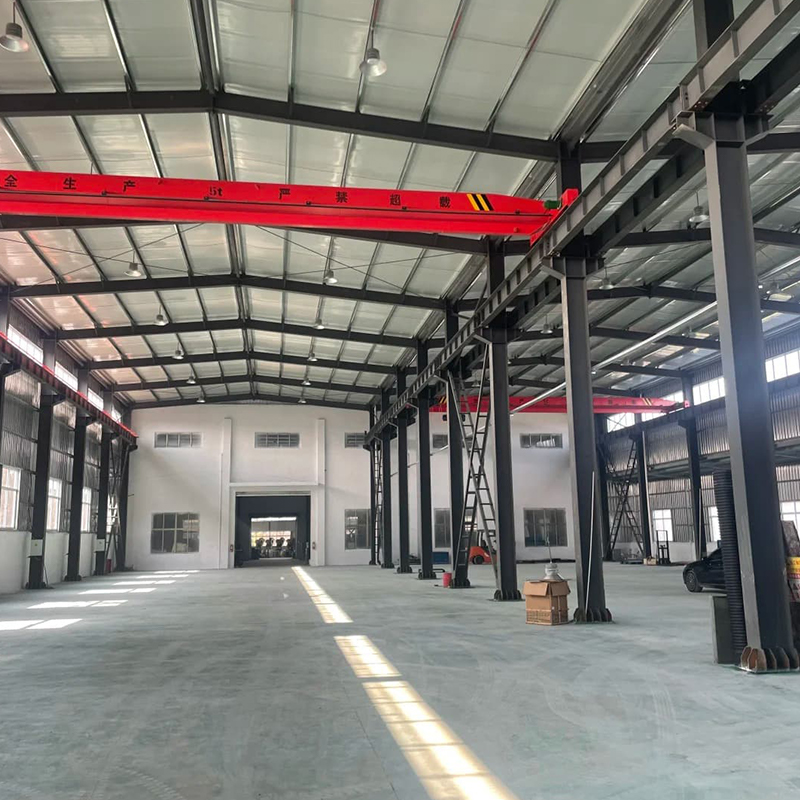
The performance of a formwork product depends not only on its raw material but also on manufacturing consistency, dimensional control, connection accuracy, and quality assurance. Nantong Hyson Road And Bridge Formwork Co., Ltd. combines specialized formwork production with advanced metal fabrication capabilities.
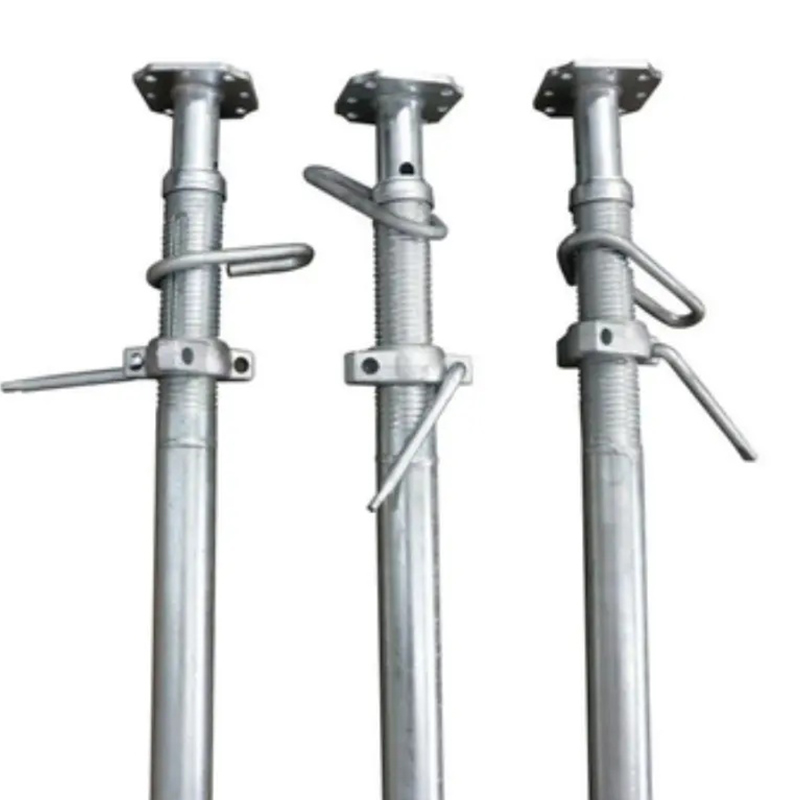
The company operates standardized production lines and uses automated processing equipment to manufacture custom formwork and non-standard steel components. Its capabilities include laser cutting, bending, welding, assembly, and project-specific fabrication. These processes support the production of supporting frames, connection plates, stiffeners, brackets, steel props, reinforcement members, and other components required for complete formwork systems.
Laser Cutting
Laser cutting provides accurate processing of steel plate and sheet components. It is suitable for connection plates, brackets, stiffeners, base plates, gussets, and other parts that require repeatable dimensions and clean profiles. Accurate cutting helps ensure that components fit correctly during assembly and reduces the need for excessive manual correction.
For OEM customers, laser cutting also makes it practical to produce non-standard geometries and small or medium production batches. Digital drawings can be translated into repeatable cutting programs, supporting efficient customization across different infrastructure and industrial projects.
Precision Bending
Bending operations create channels, brackets, edges, frames, and formed reinforcement elements. Consistent bend angles and dimensions are essential for proper assembly and load transfer. Controlled bending reduces variation between components and contributes to the overall accuracy of the finished formwork system.
When polymer panels are combined with formed steel parts, the compatibility between panel dimensions and supporting components must be carefully managed. The manufacturer’s ability to control both metal fabrication and formwork assembly provides an advantage in developing integrated solutions.
Certified Welding
Welding quality directly affects the strength and service life of steel frames, supports, brackets, and structural components. Hyson applies AWS and EN welding craftsmanship in its manufacturing operations. These practices support consistent welding procedures, qualified workmanship, controlled inspection, and reliable fabrication for demanding construction applications.
Welded components can be produced for bridge formwork, tunnel trolleys, scaffolding accessories, steel structures, and heavy-duty OEM assemblies. Applying disciplined welding standards to formwork support components helps improve dimensional stability and long-term reliability.
Process Integration
Integrated laser cutting, bending, welding, and assembly reduces dependence on multiple external suppliers. This can simplify communication, improve production coordination, and support more reliable delivery schedules. It also allows the company to review the relationship between panel design, steel reinforcement, connection details, and site installation requirements.
For customers requiring complete systems, the ability to coordinate polymer formwork with heavy steel components is a meaningful advantage. The result can be a more coherent package of panels, supports, frames, accessories, and documentation rather than a collection of disconnected products.
Quality Management and Engineering Reliability
Hyson maintains an ISO 9001 quality management framework and reports compliance with BS1139 and EN74 international standards for relevant scaffolding and support products. These standards and management systems demonstrate the company’s focus on controlled manufacturing, documented procedures, inspection, traceability, and continuous improvement.
The company also holds 12 utility patents, reflecting experience in product development and construction equipment improvement. Patented or proprietary design features may relate to connections, support arrangements, fabrication methods, or specialized construction solutions. For customers, this indicates that the supplier is not limited to simple commodity production but has technical experience in developing practical systems for demanding projects.
Quality control should cover the full manufacturing process. For PP+GF formwork, this includes material consistency, panel dimensions, surface flatness, reinforcement integrity, edge quality, hole positions, and resistance to handling. For steel components, it includes plate grade verification, cutting accuracy, bend dimensions, welding quality, dimensional inspection, coating or corrosion protection, and final assembly checks.
Project-oriented inspection is equally important. Before shipment, components should be checked against approved drawings, bills of materials, connection requirements, and packing lists. Proper identification and packaging reduce the risk of installation delays when the products arrive at the construction site.
Experience in Major Engineering Projects
As a strategic supplier for CCCC, CRCC, and other central state-owned enterprises, Nantong Hyson Road And Bridge Formwork Co., Ltd. has experience supporting large infrastructure projects. Its reported project references include the Sutong Yangtze River Bridge, Taizhou Bridge, and Sudan Thermal Power Plant.
Participation in major engineering projects requires more than basic fabrication capacity. It requires reliable scheduling, drawing coordination, quality documentation, responsiveness to changing site requirements, and the ability to produce large or non-standard components. Experience in such projects strengthens the company’s understanding of engineering risk, installation constraints, and long-term product performance.
The same manufacturing discipline can be applied to PP+GF reinforced formwork. Although the panel material differs from conventional steel products, successful construction systems still depend on accurate dimensions, dependable connections, suitable support design, efficient logistics, and reliable technical communication.
OEM and Customization Services
Construction projects rarely share exactly the same geometry. A supplier must therefore be capable of adapting panel sizes, reinforcement arrangements, connection details, support frames, openings, and accessories to suit the customer’s drawings and construction method.
Hyson provides OEM metal fabrication and customized formwork services for global clients. Customers can submit drawings, specifications, dimensional requirements, material requirements, surface treatment expectations, and installation conditions for technical review. The supplier can then coordinate manufacturing processes such as laser cutting, bending, welding, and assembly.
Customization may include special wall panels, column and beam configurations, bridge pier forms, tunnel components, brackets, steel props, frames, and ready-to-install structural parts. For projects with repeated modules, customized panels can improve cycle efficiency. For irregular structures, purpose-designed components can reduce on-site improvisation and rework.
A complete customization process should include drawing confirmation, design review, prototype or sample evaluation where appropriate, production inspection, packing, and technical support. Clear communication at each stage reduces the possibility of dimensional mismatch and ensures that the delivered components correspond to the actual construction sequence.
Environmental and Sustainability Benefits
The construction industry is seeking materials that reduce waste without compromising structural performance. PP+GF reinforced formwork supports this objective in several ways. Its long reuse potential reduces demand for repeated timber replacement. Its smooth surface can reduce the consumption of release agents and secondary plastering materials. Its lightweight design can reduce transportation and handling energy. Its recyclable material composition can reduce end-of-life waste.
Replacing wood with a reusable plastic-steel system can also reduce pressure on timber resources. The sustainability benefit is strongest when panels are reused many times, maintained properly, and ultimately directed to appropriate recycling channels.
Environmental performance should be evaluated over the full product life cycle. Factors include raw material production, manufacturing energy, transport, number of uses, cleaning requirements, repair frequency, and recycling efficiency. A durable panel that completes many construction cycles can have a more favorable practical impact than a low-cost panel that is discarded after only a few uses.
The company’s integrated manufacturing model can also contribute to resource efficiency. Accurate cutting reduces unnecessary steel offcuts, while standardized production and digital fabrication help improve material utilization. Recyclable offcuts from the PP+GF formwork system can be collected and processed rather than sent directly to disposal.
Safety and Best-Practice Considerations
Formwork is a temporary structure, but it is a critical load-bearing system during concrete placement. Safe use requires engineering design, competent installation, regular inspection, and controlled concrete placement. Lightweight panels improve handling safety, but they do not remove the need for proper bracing, ties, supports, and access control.
Workers should use suitable personal protective equipment during cutting, drilling, assembly, stripping, and cleaning. Cutting operations should be performed in controlled areas with attention to dust, noise, tool condition, and electrical safety. Damaged tools or improvised fasteners should not be used.
Before each pour, supervisors should inspect the formwork for alignment, support stability, connection tightness, panel damage, openings, joint sealing, and safe access. During pouring, the formwork should be observed for unexpected movement, leakage, bulging, or support settlement. Any abnormal condition should be addressed immediately.
Storage areas should keep panels flat, stable, and organized. Stacking should not exceed safe limits, and panels should not be placed where they can be struck by vehicles or exposed to uncontrolled heat sources. Correct storage extends service life and preserves the quality of the concrete-contact surface.
How to Select the Right Formwork System
Contractors should begin with the project’s structural and construction requirements. Important factors include wall height, slab thickness, column dimensions, concrete pressure, pour rate, repetition, available lifting equipment, required surface finish, climate, storage conditions, and the desired number of turnovers.
PP+GF reinforced formwork is especially attractive when the project includes repeated concrete elements, limited lifting capacity, wet or corrosive conditions, high finishing requirements, or a strong focus on waste reduction. It is also useful when on-site adjustment is likely to be needed.
For exceptionally high loads, unusual geometries, or specialized mechanized systems, the product may be combined with heavy-duty steel frames, hydraulic tunnel trolleys, steel props, or custom structural components. The best solution is not always a single material; a hybrid system can use PP+GF panels where lightweight handling and surface quality are most valuable while using steel reinforcement where higher stiffness or mechanical movement is required.
Customers should request technical information covering panel dimensions, weight, allowable loading, support recommendations, connection details, temperature limitations, cleaning methods, repair procedures, and recycling guidance. A project-specific review by qualified engineers is recommended before large-scale deployment.
Why Choose an Integrated Manufacturer?
An integrated manufacturer can offer advantages beyond product supply. When the same company understands formwork panels, steel supports, scaffolding, welding, laser cutting, and bridge or tunnel applications, it can better coordinate the complete system.
This reduces the risk that panels, frames, fasteners, and supports will be designed independently. It also gives customers a single technical contact for custom components, production scheduling, quality documentation, and after-sales communication.
Hyson’s product portfolio includes custom bridge and infrastructure formwork, hydraulic tunnel trolleys, certified scaffolding and steel props, industrial steel structures, and heavy steel OEM fabrication. This broad capability supports customers whose projects require more than standard plastic panels.
The company’s experience with large steel structural components and CNC steel plate processing is particularly relevant when PP+GF formwork must be integrated with structural support assemblies. Its manufacturing resources can produce ready-to-install components for construction, mining, agriculture, transportation, and industrial applications.
Frequently Asked Questions
What does PP+GF mean?
PP+GF means polypropylene reinforced with glass fiber. Polypropylene provides a lightweight, moisture-resistant polymer base, while glass fiber improves stiffness, strength, impact resistance, and dimensional stability.
Is PP+GF formwork stronger than timber?
It is engineered to provide higher durability, better impact resistance, and more stable repeated-use performance than ordinary timber formwork. Actual load capacity depends on panel design, reinforcement, support spacing, connections, and concrete placement conditions.
Can the panels be cut on site?
Yes. The panels can be sawn, nailed, and drilled with suitable tools. Cutting and drilling should follow approved procedures, and modified edges or holes should be checked and sealed when necessary.
Does the formwork require a release agent?
The smooth, non-absorbent surface generally allows concrete to release easily, so a release agent may not be required in normal applications. Contractors should confirm the stripping performance through a site trial when a specific concrete mix or surface finish is involved.
How many times can the panels be reused?
The supplied reference information indicates at least 30 uses for flat panels and approximately 40 uses for column and beam forms. Actual turnover depends on handling, cleaning, storage, support design, cutting, impact, and general site management.
Can the formwork be used in cold or hot weather?
The product information states resistance to shrinkage and cracking between approximately -20°C and 60°C. Site conditions, concrete temperature, direct sunlight, storage, and installation practices should still be considered in the project method statement.
Is the material waterproof?
The material is non-absorbent and resistant to moisture, making it suitable for wet construction environments. Waterproof performance at joints and connections depends on proper assembly, sealing, and support.
Can PP+GF formwork be used for bridges and tunnels?
Yes. It is suitable for selected bridge piers, retaining walls, tunnel-related concrete works, and infrastructure components. Large or complex structures may require custom steel frames, hydraulic systems, or additional supports.
How does the product compare with steel formwork?
PP+GF reinforced formwork is generally lighter, easier to modify, and more convenient for manual handling. Steel formwork may provide greater inherent stiffness for some heavy-duty applications. A hybrid system can combine PP+GF panels with steel frames or supports when both low weight and high structural capacity are required.
Can used panels be recycled?
Yes. The supplied product information states that offcuts and used formwork are 100% recyclable. Contractors should collect and separate the material and use appropriate recycling channels.
Can the manufacturer produce customized components?
Yes. Nantong Hyson Road And Bridge Formwork Co., Ltd. provides OEM and customized fabrication services, including laser cutting, bending, welding, steel structural components, formwork systems, scaffolding-related products, and project-specific accessories.
What quality systems support the products?
The company reports ISO 9001 quality management and compliance with BS1139 and EN74 standards for relevant products. It also applies AWS and EN welding practices and maintains 12 utility patents.
What information should a customer provide for a quotation?
Useful information includes structural drawings, panel dimensions, concrete type, wall or slab height, expected pour rate, required turnover, support conditions, surface-finish requirements, project location, delivery schedule, and any applicable standards. Photos or drawings of existing equipment can also help with replacement or integration work.
Conclusion
PP+GF reinforced formwork offers a practical response to the limitations of both timber and conventional steel forming systems. Its polypropylene and glass-fiber composition provides a useful combination of lightweight handling, stiffness, impact resistance, moisture resistance, weather stability, and recyclability. The smooth and flat forming surface supports high-quality concrete finishes and can reduce secondary plastering, while the non-absorbent surface simplifies cleaning and may eliminate the need for release agents.
The product’s ability to be sawn, nailed, and drilled gives contractors flexibility in complex cast-in-place work. Its potential for at least 30 uses in flat panels and 40 uses in column and beam forms supports a lower amortized cost than short-life timber. In suitable projects, reduced support requirements and improved handling can increase construction productivity and simplify site logistics.
The strength of the solution is further enhanced by the manufacturer’s advanced fabrication capabilities. Nantong Hyson Road And Bridge Formwork Co., Ltd. combines formwork manufacturing with laser cutting, precision bending, certified welding, heavy steel fabrication, scaffolding production, and custom OEM services. Its experience supporting major infrastructure projects and central state-owned enterprise customers demonstrates the organizational and technical capacity required for demanding construction applications.
For contractors seeking a reusable, adaptable, and environmentally responsible alternative to traditional formwork, PP+GF reinforced formwork is a strong option. When selected through project-specific engineering and installed according to appropriate safety procedures, it can improve concrete quality, labor efficiency, material utilization, and long-term project economics.
References
1. Product technical information for PP+GF Reinforced Formwork, including material characteristics, application scenarios, reuse potential, and environmental benefits.
2. ISO 9001 Quality Management Systems — Requirements.
3. BS1139, Metal Scaffolding — Relevant requirements for scaffolding components and systems.
4. EN74, Couplers, Spigot Pins and Baseplates for Use in Falsework and Scaffolds — Relevant requirements for connection and support components.
5. AWS welding standards and recommended practices for structural steel fabrication.
6. General principles of concrete formwork design, temporary works safety, construction loading, concrete pressure, stripping, and site inspection.
Product: PP+GF Reinforced Formwork


- Location
- Group 3, Fangzhuang Village, Rucheng Subdistrict, Rugao City, Nantong, Jiangsu, China
- Follow us
- Phone
- +86-13646196162
- info@hysonindustry.com
