 +86-13646196162
 info@hysonindustry.com




 русский
  عربى
عربى 


OEM Heavy Metal Fabrication and Large Steel Structural Components for Demanding Projects
 2026.07.21
Content
- 1 What Are Large Steel Structural Components?
- 2 Typical Applications of Steel Structures
- 3 Advantages of Custom Steel Structure Manufacturing
- 4 Advanced Manufacturing Process
- 4.1 1. Drawing Review and Technical Confirmation
- 4.2 2. Raw Material Selection and Inspection
- 4.3 3. CNC Steel Plate Cutting
- 4.4 4. Drilling, Slotting, and Edge Preparation
- 4.5 5. Forming and Bending
- 4.6 6. Assembly and Fit-Up
- 4.7 7. Certified Welding
- 4.8 8. Correction and Dimensional Verification
- 4.9 9. Surface Treatment and Protection
- 4.10 10. Final Inspection, Packing, and Delivery
- 5 Quality Management and Manufacturing Strengths
- 6 Comparison with Conventional Steel Fabrication Suppliers
- 7 Why CNC Cutting Matters in Heavy Metal Fabrication
- 8 Engineering and Commercial Benefits for OEM Customers
- 9 How to Prepare a Steel Structure Project
- 10 Safety, Durability, and Long-Term Performance
- 11 Sustainability and Efficient Use of Steel
- 12 Product Scope and Customization Options
- 13 Frequently Asked Questions
- 13.1 What types of steel structures can be manufactured?
- 13.2 Can the manufacturer produce non-standard steel parts?
- 13.3 What is the advantage of CNC steel plate cutting?
- 13.4 Does the company provide welding according to international practices?
- 13.5 Can steel structures be supplied ready for installation?
- 13.6 What information is required for a quotation?
- 13.7 How are large components transported?
- 13.8 Can the components be designed for future expansion?
- 13.9 What quality standards are relevant to the products?
- 13.10 Does the company manufacture products besides steel structures?
- 13.11 What industries can use these steel structures?
- 13.12 How can customers control the quality of a custom order?
- 14 Conclusion
- 15 References
- 16 Product: Steel Structure
Steel structures are essential to modern construction, industrial development, transportation infrastructure, energy projects, warehouses, workshops, bridges, and large-scale equipment support systems. As buildings and engineering projects become larger, more complex, and more performance-sensitive, project owners require steel components that combine strength, dimensional accuracy, reliable welding, efficient installation, and long service life. Standard catalog products are often unable to satisfy these requirements. Custom steel structure manufacturing has therefore become an important solution for contractors, engineering companies, equipment manufacturers, and infrastructure developers.
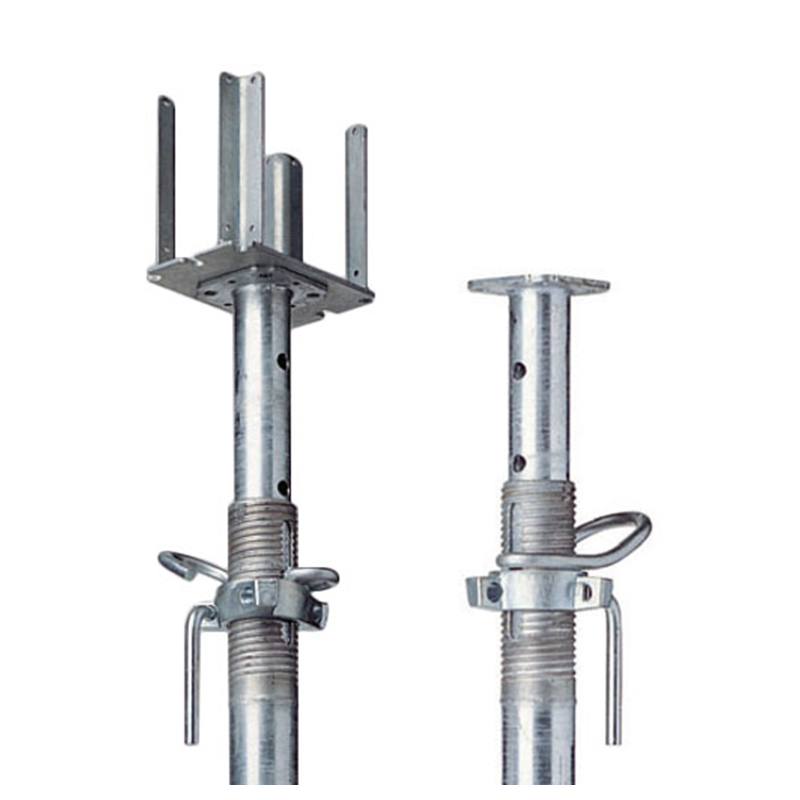
Nantong Hyson Road And Bridge Formwork Co., Ltd. is a professional manufacturer of heavy-duty steel structures, custom steel formwork, ringlock scaffolding, steel props, and OEM metal fabrication. Its steel structure manufacturing capability is designed for customers that need non-standard structural components, fabricated steel assemblies, large welded parts, and ready-to-install products. By combining automated processing, CNC steel plate cutting, precision bending, qualified welding, surface treatment, inspection, and customized production management, the company provides a complete manufacturing service from engineering drawings to finished steel components.
The company serves construction, bridge engineering, transportation, mining, agriculture, industrial manufacturing, energy, and warehouse development. Its experience includes cooperation with major infrastructure organizations and participation in demanding projects such as the Sutong Yangtze River Bridge, Taizhou Bridge, and Sudan Thermal Power Plant. These applications have helped develop a manufacturing system capable of handling heavy loads, large dimensions, complicated geometries, and strict project quality requirements.
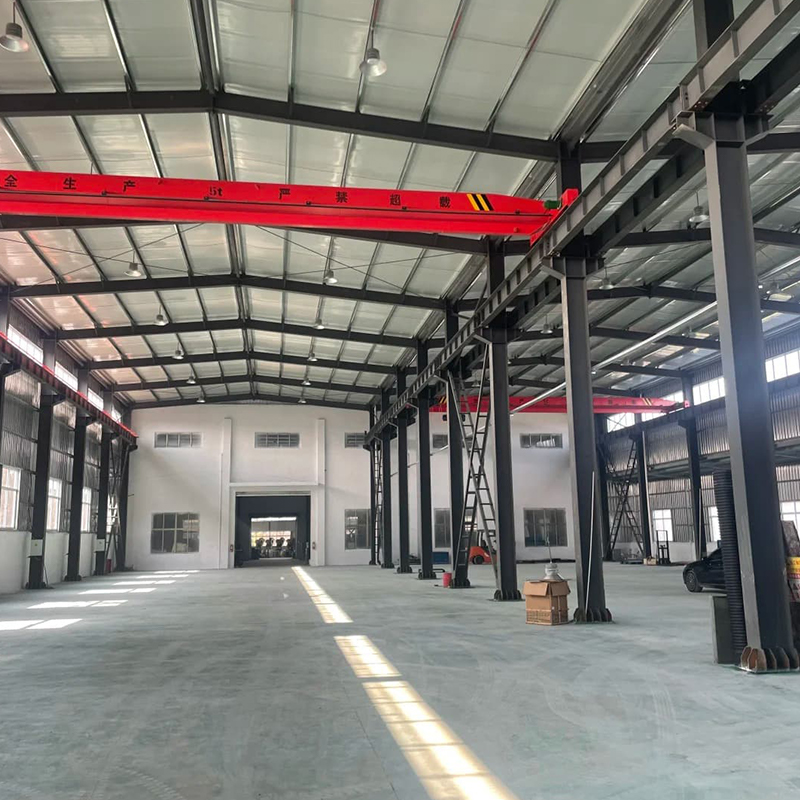
Steel Structure
What Are Large Steel Structural Components?
Large steel structural components are fabricated steel members or assemblies used to carry loads, connect structural systems, support equipment, or form the primary framework of a building or engineering facility. They may include columns, beams, trusses, portal frames, bracing systems, platforms, support frames, embedded parts, connection plates, base plates, warehouse frames, workshop structures, industrial supports, and custom welded assemblies.
Unlike simple steel products that can be purchased directly from a standard inventory, large structural components are usually produced according to project drawings, load requirements, connection details, transportation limitations, and installation conditions. Their design may require multiple steel grades, different plate thicknesses, special holes, curved or inclined members, reinforcing ribs, welded accessories, or embedded connection parts.
A complete steel structure is more than a collection of individual steel pieces. Each component must work together as part of a stable load-bearing system. The accuracy of a base plate affects column installation. The position of bolt holes affects field assembly. The straightness of a beam affects roof alignment. Weld quality affects fatigue resistance and service life. For this reason, the manufacturing process must control every important stage rather than focusing only on the appearance of the finished product.
Hyson supplies steel structures for both conventional construction and specialized engineering applications. Depending on customer requirements, the company can manufacture individual components, complete frame systems, welded modules, or integrated assemblies prepared for transportation and installation. This flexibility allows customers to purchase only the parts they need or outsource a complete steel fabrication package.
Typical Applications of Steel Structures
Industrial Workshops and Factories
Steel structures are widely used for manufacturing plants, fabrication workshops, processing facilities, maintenance buildings, and production halls. These buildings often require wide internal spans, high roof clearance, overhead crane support, ventilation openings, equipment platforms, and flexible interior layouts. Steel portal frames and heavy welded members can provide these features while reducing the number of internal columns.
Industrial buildings also require practical integration with machinery, pipework, electrical systems, loading areas, and maintenance access. Custom fabrication makes it possible to include equipment support brackets, access platforms, stair connections, crane runway supports, service openings, and reinforced areas directly into the structural design.
Warehouses and Logistics Buildings
Warehouses need efficient use of floor area, rapid construction, durable framing, and compatibility with storage systems. Steel structures can form clear-span warehouse buildings, distribution centers, cold-storage facilities, agricultural storage buildings, and logistics hubs. The structural system can be adapted for racking, loading docks, suspended equipment, solar panels, ventilation systems, and future expansion.
Because warehouse projects are often delivered under strict schedules, the precision of prefabricated steel components is especially valuable. Components manufactured in a controlled factory environment can reduce on-site cutting, drilling, adjustment, and welding. This helps contractors improve installation speed and reduce disruption at the construction site.
Bridge and Infrastructure Projects
Bridge construction and transportation infrastructure require steel components that can withstand repeated loads, vibration, weather exposure, and complex installation conditions. Steel formwork support systems, structural frames, embedded parts, access platforms, maintenance structures, and special welded assemblies may all be required during infrastructure development.
Experience in bridge-related manufacturing is important because infrastructure components are often subject to unusual geometry, strict tolerances, heavy lifting requirements, and close coordination with concrete, reinforcement, mechanical systems, and temporary works. The manufacturer must understand how fabricated steel parts will be transported, lifted, installed, adjusted, and used in the field.
Power and Energy Facilities
Power plants, thermal power projects, substations, renewable energy facilities, and utility structures require steel supports for equipment, platforms, pipe systems, access routes, cable trays, and operational buildings. These components may be exposed to heat, vibration, chemical environments, outdoor weather, or heavy maintenance loads.
Custom steel fabrication allows supports and frames to be manufactured around the dimensions of specific equipment. It also permits the addition of access ladders, handrails, inspection platforms, lifting points, stiffeners, and connection details required by the project engineer.
Mining, Agriculture, and Transportation
Mining equipment support frames, material handling structures, grain storage buildings, agricultural processing facilities, truck loading structures, rail-related buildings, and transportation shelters frequently require heavy steel fabrication. These applications may combine high static loads with impact, dust, moisture, vibration, or continuous operation.
Steel structures designed for these environments must be robust, easy to maintain, and suitable for practical installation. Heavy plate components, reinforced joints, protective coatings, and accurately positioned connection points can improve reliability in demanding working conditions.
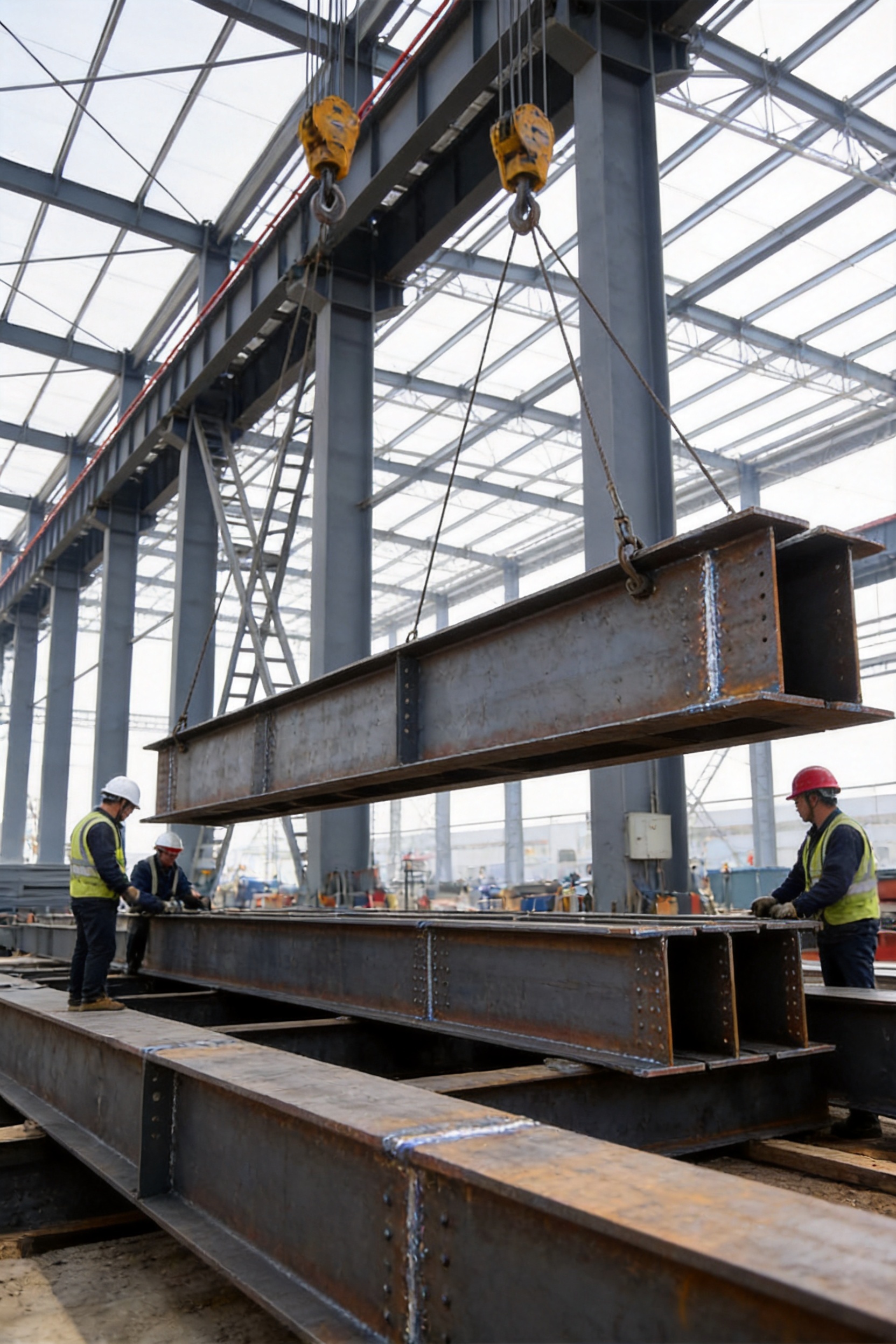
Advantages of Custom Steel Structure Manufacturing
Design Flexibility
One of the primary advantages of custom steel structure manufacturing is the ability to produce components according to project-specific drawings. Customers are not limited to standard dimensions or fixed connection details. The structure can be adapted to building width, span, height, load distribution, equipment arrangement, site restrictions, and transportation requirements.
Custom production is particularly useful when a project contains non-standard columns, irregular support frames, curved members, sloped beams, oversized base plates, special connection plates, or complicated welded assemblies. It also supports renovation projects where new steelwork must connect to an existing building or structure.
High Strength-to-Weight Performance
Steel provides high strength in relation to its weight. Properly engineered steel frames can carry significant loads while maintaining a comparatively efficient material profile. This can reduce the weight of foundations, simplify lifting operations, and increase usable floor space.
For industrial and commercial buildings, the strength of steel makes it possible to create large open areas with fewer columns. For infrastructure applications, steel components can be designed to provide high load capacity without creating excessive dead weight. The final result depends on engineering design, material selection, connection design, and manufacturing quality.
Faster Project Installation
Steel structures are manufactured before they arrive at the project site. When components are accurately cut, drilled, welded, inspected, and marked in the factory, field crews can concentrate on erection and connection rather than basic fabrication. This reduces the amount of hot work, temporary processing, and adjustment required on site.
Faster installation can be especially beneficial in projects with limited construction windows, difficult weather conditions, restricted access, active industrial operations, or high site labor costs. Factory fabrication also makes it easier to prepare a clear packing list and installation sequence for the construction team.
Consistent Production Quality
Factory-based manufacturing provides better control over working conditions than uncontrolled site fabrication. Material receiving, cutting, fit-up, welding, dimensional inspection, and surface treatment can be performed within a standardized production environment. Workers have access to suitable equipment, fixtures, lifting devices, inspection tools, and documented procedures.
Consistent production does not mean that every project is identical. Instead, it means that each customized order is processed through controlled procedures. The manufacturer can maintain traceability, monitor production progress, document inspections, and identify deviations before the components are shipped.
Reduced Material Waste
Modern CNC cutting and production planning can improve the use of steel plates and profiles. Cutting layouts may be optimized to reduce scrap, while nesting software and standardized material planning can help control consumption. Reduced waste lowers material costs and supports more responsible resource use.
Accurate cutting also reduces the need for correction during assembly. When parts are cut according to approved drawings and properly identified, the risk of rework, incorrect welding, and unnecessary replacement is reduced.
Adaptability for Future Expansion
Steel buildings and structural systems can be designed with future modification in mind. Additional bays, service platforms, equipment supports, mezzanines, or extensions may be considered during the original manufacturing stage. Correctly planned connection details can make later expansion more practical.
This flexibility is valuable for warehouses, manufacturing facilities, agricultural buildings, and logistics centers where operational requirements may change over time. A modular steel system can provide a foundation for future growth without requiring complete reconstruction.
Advanced Manufacturing Process
A reliable steel structure is the result of a controlled sequence of technical operations. The manufacturing process begins before steel reaches the cutting table and continues until the final product is inspected, packed, and delivered. Hyson combines engineering communication, material preparation, automated processing, skilled welding, and quality control to produce structural components for demanding applications.
1. Drawing Review and Technical Confirmation
Every custom order begins with a review of the customer’s drawings, specifications, material requirements, connection details, finish requirements, delivery schedule, and installation conditions. The engineering team checks whether the drawings contain sufficient information for production and identifies areas that may require clarification.
Important review items include member dimensions, plate thickness, hole diameters, weld types, welding positions, joint preparation, tolerances, surface treatment, lifting points, component identification, and packing requirements. When a project contains complex assemblies, the manufacturer may also review the production sequence to determine whether the structure should be fabricated as a single assembly or divided into transportable modules.
Early technical communication helps prevent errors later in production. It also allows the manufacturer to identify potential conflicts between design intent and fabrication practicality. Suggestions may include adjusting a weld sequence, improving access for welding, revising a connection detail, adding temporary lifting points, or dividing an oversized component for shipment.
2. Raw Material Selection and Inspection
Structural steel plates, sections, pipes, angles, channels, and other materials are selected according to the approved technical specification. Material thickness, grade, dimensions, surface condition, and quantity must be checked before processing. The incoming inspection process helps confirm that the supplied material is suitable for the intended application.
Material identification is important for traceability. Plates and profiles may be marked or recorded so that their source and specification can be followed through cutting, assembly, welding, and inspection. This is particularly valuable for projects requiring documented quality records or specific steel grades.
Proper storage also protects raw materials from avoidable damage. Steel should be organized to prevent confusion between material types and sizes. Suitable handling reduces distortion, edge damage, contamination, and unnecessary surface deterioration before fabrication begins.
3. CNC Steel Plate Cutting
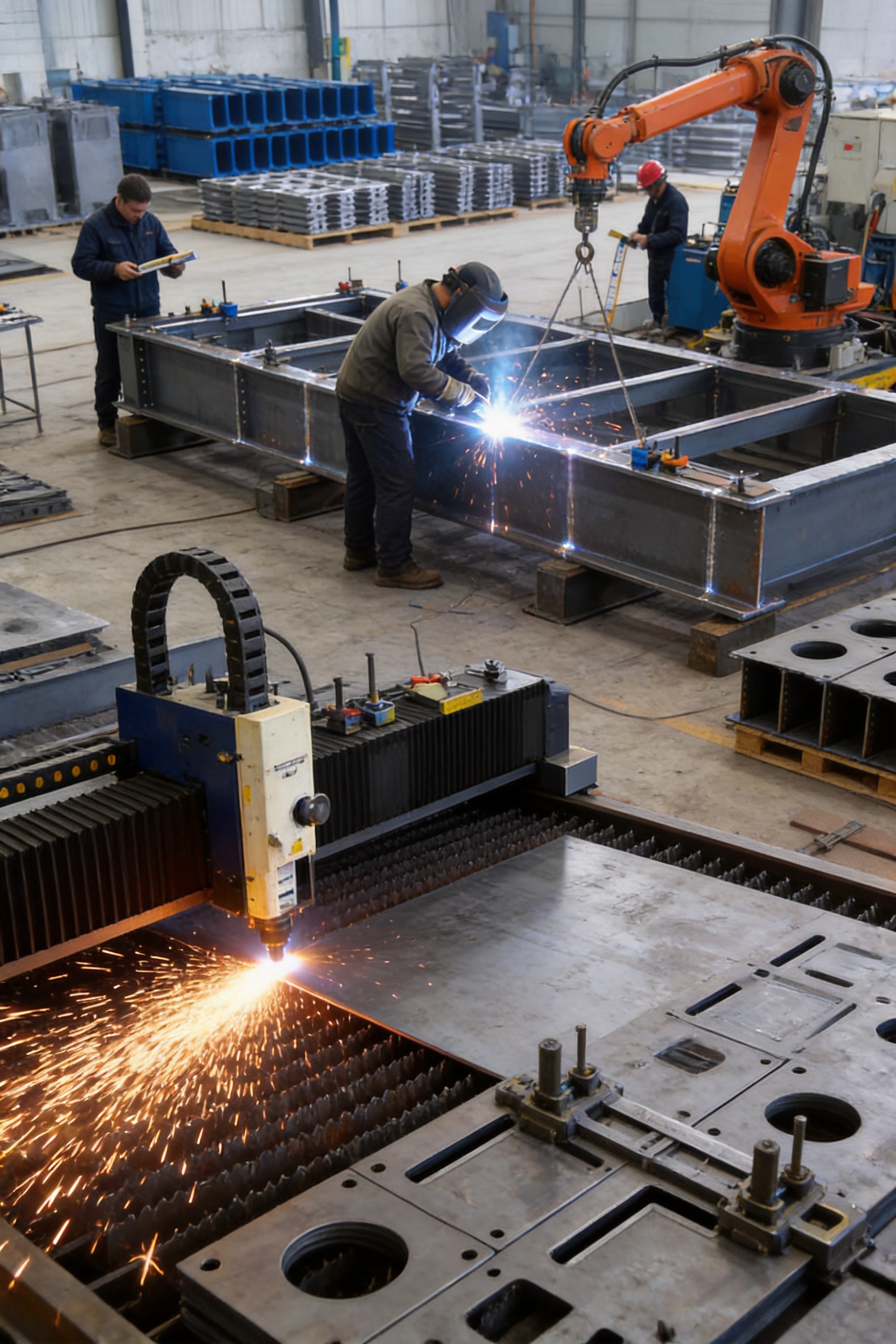
CNC steel plate cutting is one of the most important operations in heavy metal fabrication. Computer-controlled cutting equipment can process steel plates according to digital drawings and programmed dimensions. Depending on the project, cutting may be performed using laser technology or other suitable thermal cutting methods.
Laser cutting is particularly valuable for parts requiring precise contours, holes, slots, connection plates, stiffeners, and complicated profiles. It can produce clean edges and repeatable dimensions when the material thickness and application are suitable for the process. Accurate cutting helps improve fit-up and reduces the amount of manual correction required during assembly.
Large structural components may also require the cutting of thick plates and oversized parts. The selection of cutting method depends on plate thickness, required tolerance, geometry, production volume, edge condition, and project specification. The manufacturing team evaluates these factors before finalizing the cutting plan.
Digital production data also supports repeatability. If a customer needs additional components in the future, approved files and production records can help reproduce the same geometry while maintaining consistent dimensions.
4. Drilling, Slotting, and Edge Preparation
After cutting, components may require drilled holes, slots, bevels, notches, or edge preparation. Bolt holes must be positioned accurately because even a small deviation can complicate field installation. Where welded joints require beveling or a specific groove profile, edge preparation must be completed according to the approved welding procedure.
Edge preparation affects penetration, fusion, weld volume, and joint performance. A correctly prepared edge allows the welder to achieve the required weld profile with appropriate heat input. It can also reduce excessive grinding and improve the appearance of the finished joint.
Components are checked after secondary processing to confirm that holes, slots, and prepared edges correspond with the drawings. Parts are then organized for assembly, often with identification marks that help prevent mix-ups.
5. Forming and Bending
Some steel components must be bent or formed to create curved, angled, or specially shaped members. Bending operations require attention to material thickness, bend radius, springback, grain direction where relevant, and the risk of local deformation. The forming method is selected according to the size and geometry of the part.
Controlled bending helps produce components that fit accurately into the larger assembly. It can also reduce the need for multiple welded pieces, resulting in a cleaner and more efficient structure. After forming, dimensions are checked to ensure that the component meets the approved design.
6. Assembly and Fit-Up
During fit-up, individual plates, sections, stiffeners, brackets, and connection parts are positioned and temporarily secured before final welding. Accurate fit-up is essential because the position of each part affects the geometry and performance of the complete assembly.
Fixtures, jigs, measuring tools, and controlled assembly procedures help maintain alignment. The production team checks diagonals, centerlines, angles, plate positions, hole alignment, and overall dimensions. Components that are difficult to handle may require lifting equipment or temporary supports to prevent movement during assembly.
A well-organized fit-up stage reduces welding distortion and prevents the accumulation of dimensional errors. It also provides an opportunity to identify drawing conflicts or missing parts before final welding begins.
7. Certified Welding
Welding is central to the production of heavy steel structures. Welded joints transfer forces between plates, beams, columns, stiffeners, brackets, and connection elements. The quality of these joints affects structural safety, fatigue performance, durability, and overall service life.
Hyson applies AWS and EN welding craftsmanship and uses qualified personnel and controlled welding procedures for applicable projects. Welding parameters may include current, voltage, travel speed, electrode or wire type, shielding conditions, preheating, interpass temperature, and post-weld treatment. These parameters must be selected according to material, thickness, joint design, and project requirements.
The welding sequence is also important. Heat introduced during welding can cause shrinkage and distortion. By planning the sequence, balancing welds, using suitable fixtures, and controlling heat input, the production team can reduce deformation and improve dimensional accuracy.
Visual inspection is used to identify surface defects, incomplete welds, undercut, porosity, cracks, irregular profiles, and other visible conditions. Where required by the project specification, additional non-destructive testing may be arranged. The exact inspection method depends on the design, material, weld category, service conditions, and customer requirements.
8. Correction and Dimensional Verification
Following welding, structural assemblies may be checked for straightness, squareness, flatness, twist, hole alignment, and overall dimensions. If minor correction is necessary, it must be performed through controlled methods that do not damage the steel or compromise the welds.
Dimensional verification is not limited to the final length and width. It may include the position of connection plates, base plates, stiffeners, brackets, openings, lifting points, and embedded components. These details often determine whether the structure can be installed smoothly at the project site.
9. Surface Treatment and Protection
Steel structures may require cleaning, shot blasting, primer, intermediate coating, top coating, galvanizing, or another protective system. The appropriate treatment depends on the environment, expected service life, appearance requirements, fire protection strategy, and customer specification.
Surface preparation improves the adhesion of protective coatings. Before painting, the steel surface should be free from oil, loose scale, rust, dust, and other contaminants that could reduce coating performance. Coating thickness and curing conditions should be controlled to provide a consistent protective layer.
For outdoor, coastal, industrial, or high-humidity environments, corrosion protection is especially important. The protective system should be selected with consideration for exposure, maintenance access, temperature, chemical contact, and expected operating conditions.
10. Final Inspection, Packing, and Delivery
Before shipment, the completed components are inspected against approved drawings and production requirements. This may include dimensional checks, weld inspection records, coating checks, identification verification, quantity confirmation, and review of customer-specific documentation.
Packing must protect the components during lifting, loading, transportation, and unloading. Smaller parts may be bundled or placed in protective containers, while large assemblies may require custom supports, lifting points, separators, and weather protection. Proper packing also helps the installation team identify each component quickly after delivery.
Delivery planning considers component weight, dimensions, route restrictions, lifting capacity, container or truck limitations, and the customer’s installation sequence. A structure that is technically correct but difficult to transport can create unnecessary project delays, so logistics should be considered during the manufacturing planning stage.
Quality Management and Manufacturing Strengths
ISO 9001 Quality Management
Hyson operates in accordance with ISO 9001 quality management principles. A quality management system provides a framework for controlling documents, responsibilities, inspection activities, corrective actions, process consistency, and customer communication.
For custom fabrication, systematic quality management is important because every order may contain different materials, dimensions, weld details, and delivery requirements. Documented procedures help ensure that production is not dependent only on individual memory or informal communication.
AWS and EN Welding Capability
Compliance with recognized AWS and EN welding practices gives customers a stronger basis for evaluating fabrication quality. These standards provide technical guidance for welding procedures, welder qualification, joint preparation, inspection, and acceptance criteria.
Standards do not replace engineering judgment, but they help establish a common language between the manufacturer, designer, contractor, and inspection organization. This is particularly useful for international projects where participants may operate under different local practices.
International Scaffolding and Steel Standards
In addition to heavy steel structures, Hyson manufactures scaffolding and steel props in accordance with BS1139 and EN74 requirements where applicable. Experience with these standards reinforces the importance of dimensional control, connection reliability, load performance, and component consistency.
The company’s product range includes ringlock scaffolding, steel props, and related construction support products. This broader manufacturing background supports an understanding of temporary works, load transfer, site assembly, and the practical requirements of construction contractors.
Utility Patents and Process Development
Hyson has obtained 12 utility patents associated with its products and manufacturing activities. Patents do not by themselves determine the quality of every steel component, but they demonstrate an ongoing focus on product development, practical engineering improvement, and the creation of specialized solutions for construction and industrial applications.
Process development may involve improving assembly methods, developing reusable formwork systems, optimizing connection details, improving handling, or adapting production methods for unusual project conditions. Such improvements can benefit customers by reducing labor requirements, improving repeatability, and increasing the efficiency of field operations.
Experience with Major Infrastructure Customers
Hyson has served as a strategic supplier for China Communications Construction Company, China Railway Construction Corporation, and other central state-owned enterprises. Cooperation with major infrastructure organizations requires the manufacturer to meet demanding expectations related to production capacity, delivery coordination, technical response, and quality stability.
Experience with landmark projects such as the Sutong Yangtze River Bridge, Taizhou Bridge, and Sudan Thermal Power Plant has exposed the company to large-scale engineering environments. These projects require more than basic steel processing. They require careful coordination between design, fabrication, inspection, logistics, and site installation.
Comparison with Conventional Steel Fabrication Suppliers
| Evaluation Area | Conventional Basic Fabrication | Integrated Heavy Steel Manufacturing |
|---|---|---|
| Design support | Limited review of customer drawings | Technical review, production planning, and fabrication coordination |
| Cutting capability | Manual or basic cutting for simple parts | CNC cutting for accurate profiles, holes, slots, and complex plates |
| Welding control | General welding without complete process documentation | Controlled welding procedures and AWS or EN-based craftsmanship |
| Product range | Standard beams, plates, and simple frames | Large assemblies, industrial supports, bridge components, and OEM structures |
| Quality control | Visual checks at the end of production | Incoming material, process, dimensional, weld, coating, and final inspections |
| Customization | Restricted to available sizes | Manufactured according to approved drawings and project specifications |
| Installation readiness | Additional site cutting and adjustment may be required | Marked, inspected, packed, and prepared for efficient installation |
| Project experience | Suitable mainly for small or routine orders | Suitable for infrastructure, industrial, energy, warehouse, and heavy-duty projects |
The comparison shows why an integrated manufacturer can provide greater value than a supplier that only cuts and welds basic steel parts. The most important difference is not a single machine or process. It is the coordination of engineering review, material control, fabrication, inspection, documentation, packing, and delivery.
Customers also benefit from having fewer separate suppliers. When cutting, bending, welding, surface treatment, inspection, and packing are coordinated under one production system, communication becomes simpler and responsibility is clearer. This can reduce delays caused by transferring semi-finished parts between different workshops.
Why CNC Cutting Matters in Heavy Metal Fabrication
CNC cutting has a direct effect on the accuracy and efficiency of structural steel manufacturing. Digital files can be converted into cutting paths that guide the machine consistently. This improves the repeatability of plates and connection components, especially when the order contains many similar parts.
Accurate profiles improve the quality of fit-up. When plates meet as intended, weld gaps can be controlled more effectively and the assembly is less likely to develop unwanted distortion. Accurate holes also reduce installation difficulties, especially when several plates or members must be connected with bolts at the same time.
CNC cutting can also support complicated design features. Internal openings, curved edges, reinforcing shapes, gusset plates, equipment brackets, and special connection parts can be produced more efficiently than through manual layout and cutting. This expands the practical design options available to engineers and customers.
For OEM customers, repeatability is particularly important. An equipment manufacturer may need a series of structural frames or supports with consistent dimensions. CNC processing helps maintain product uniformity across batches while reducing dependency on manual marking.
Engineering and Commercial Benefits for OEM Customers
One-Stop Fabrication Service
OEM customers often need more than a raw steel supply. They may require plate cutting, drilling, bending, welding, assembly, surface treatment, labeling, packing, and delivery. An integrated manufacturing service reduces the need to coordinate multiple subcontractors and allows the customer to manage one principal fabrication partner.
This can simplify purchasing, technical communication, inspection scheduling, and delivery planning. It also creates a clearer feedback loop when changes are required during production.
Support for Non-Standard Components
Many industrial products include steel frames that are not commercially available as standard items. These may include machine bases, support skids, platforms, transport frames, agricultural equipment structures, mining equipment components, and custom enclosures.
Hyson’s heavy fabrication capability allows these parts to be manufactured according to customer drawings. The customer can specify dimensions, material, connection details, coating, tolerances, and packaging requirements according to the final application.
Improved Cost Control
Cost control in steel fabrication involves more than the price per kilogram. It also includes cutting efficiency, rework, labor, transportation, site modification, coating quality, delivery reliability, and product life. A supplier that delivers accurate, installation-ready components may reduce total project cost even if the initial unit price is not the lowest available.
Better production planning can reduce waste and improve labor productivity. Accurate fabrication can reduce field adjustment. Consistent coating can reduce premature maintenance. Reliable delivery can reduce equipment waiting time and labor downtime.
Scalable Production
Projects may require a small batch of prototypes, a medium quantity of repeated components, or a large volume of structural assemblies. A manufacturer with standardized production lines and automated processing can adapt its workflow to different order sizes.
Scalable production is useful for OEM customers that begin with one project and later require regular supply. Approved drawings, material records, welding procedures, inspection methods, and packing standards can support repeat orders and improve consistency over time.
How to Prepare a Steel Structure Project
Customers can improve the efficiency of the quotation and production process by providing complete technical information. Useful documents may include general arrangement drawings, detailed fabrication drawings, three-dimensional models, material specifications, weld requirements, coating requirements, quantity schedules, delivery destinations, and installation instructions.
The customer should also identify whether the component is part of a permanent structure, temporary works system, industrial machine, transport assembly, or support framework. This information helps the manufacturer understand the service environment and select appropriate production and inspection methods.
Important commercial information includes target delivery date, preferred packing method, shipment size restrictions, required documentation, inspection involvement, and whether third-party testing is necessary. Early clarification of these issues can reduce changes after production begins.
For complex projects, a technical meeting or drawing review is recommended before manufacturing. The customer and manufacturer can confirm responsibilities, tolerances, connection interfaces, quality standards, and approval procedures. Clear communication at this stage improves the probability of smooth production and installation.
Safety, Durability, and Long-Term Performance
The safety of a steel structure depends on correct design, suitable materials, accurate fabrication, reliable connections, proper erection, and appropriate maintenance. A manufacturer cannot replace the role of the project engineer, but it plays a critical role in ensuring that the fabricated components reflect the approved design.
Weld quality, plate integrity, dimensional accuracy, and corrosion protection all influence long-term performance. A component that is poorly aligned may create additional stress during installation. A weld with defects may reduce the reliability of a connection. Inadequate surface preparation may cause coating failure and accelerate corrosion.
Durability also depends on the environment. Outdoor structures may require stronger corrosion protection than indoor warehouse frames. Coastal or industrial locations may expose steel to salt, moisture, chemicals, or airborne pollutants. Heavy-use platforms and equipment supports may require additional consideration for vibration, impact, and fatigue.
Customers should work with qualified engineers to establish design loads, environmental conditions, material grades, connection requirements, and coating systems. The manufacturer should then use the approved information to control production and inspection.
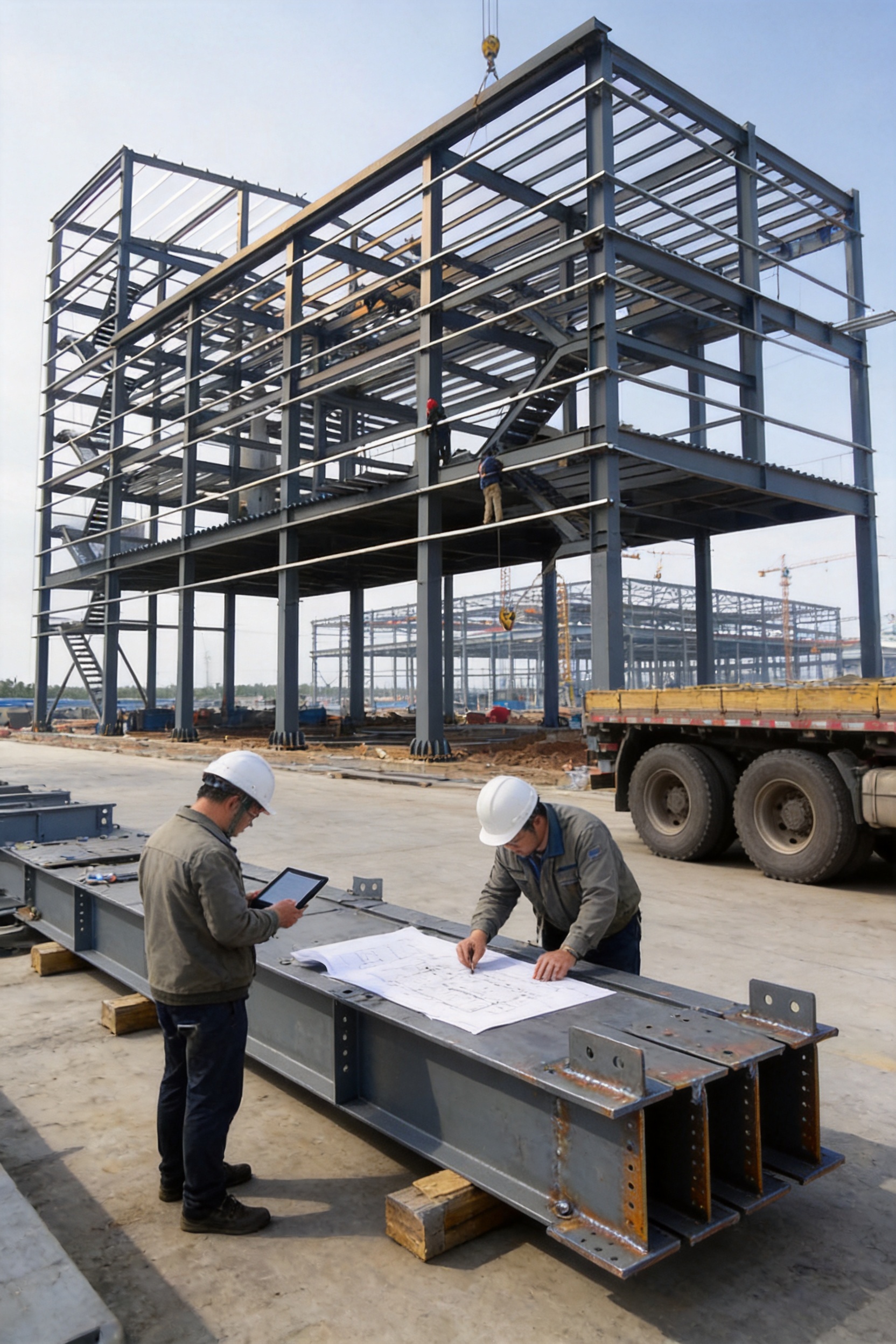
Sustainability and Efficient Use of Steel
Steel is a recyclable construction material, and well-designed steel structures can support efficient use of resources throughout their service life. Factory fabrication contributes to sustainability by improving cutting plans, reducing rework, limiting unnecessary site waste, and supporting precise material use.
Prefabricated components can also reduce construction-site disturbance. Less on-site cutting and welding may mean lower levels of noise, smoke, sparks, and material waste. Faster installation can reduce the duration of temporary site facilities and construction equipment operation.
Long service life is another important sustainability factor. A durable steel structure that remains functional for many years can reduce the need for replacement. Appropriate corrosion protection, maintainable connections, and adaptable design can extend the useful life of the structure.
When a structure reaches the end of its original application, many steel components can be reused, modified, or recycled. Designing for accessibility and future modification can increase the practical value of the material over time.
Product Scope and Customization Options
The steel structure product scope can include warehouse frames, workshop buildings, industrial support structures, bridge-related steelwork, equipment platforms, embedded parts, welded frames, structural columns, beams, trusses, bracing systems, connection plates, base plates, and custom OEM components.
Customization may cover the following areas:
Material grade and thickness can be selected according to project design and operating conditions.
Component dimensions can be manufactured according to approved drawings rather than limited to standard catalog sizes.
Connection details can include bolt holes, welded plates, gussets, stiffeners, brackets, embedded parts, and lifting points.
Surface treatment can be adapted to indoor, outdoor, industrial, coastal, or high-humidity environments.
Packaging can be arranged for container shipment, truck transport, project-site lifting, or sequenced installation.
Documentation can include inspection records, material information, dimensional reports, weld documentation, coating records, packing lists, and other project-specific requirements.
Frequently Asked Questions
What types of steel structures can be manufactured?
Custom industrial frames, warehouse and workshop structures, bridge-related components, equipment supports, platforms, embedded parts, welded assemblies, structural beams, columns, trusses, brackets, base plates, and other large steel components can be manufactured according to customer drawings and specifications.
Can the manufacturer produce non-standard steel parts?
Yes. Non-standard steel parts are a major application of OEM fabrication. Customers can provide drawings, models, dimensions, material requirements, connection details, surface treatment specifications, and packing instructions for customized production.
What is the advantage of CNC steel plate cutting?
CNC cutting improves dimensional repeatability and supports complex profiles, holes, slots, and connection plates. It can reduce manual layout work, improve fit-up, lower material waste, and reduce the need for field adjustment.
Does the company provide welding according to international practices?
The company applies AWS and EN welding craftsmanship for applicable projects. Welding procedures, personnel qualifications, inspection requirements, and acceptance criteria should be confirmed according to the customer’s project specification.
Can steel structures be supplied ready for installation?
Yes. Components can be cut, drilled, formed, assembled, welded, inspected, surface-treated, marked, and packed before delivery. The exact level of completion depends on the project drawings and customer requirements.
What information is required for a quotation?
Useful information includes fabrication drawings, three-dimensional models if available, steel grade, plate and section sizes, quantities, weld requirements, surface treatment, inspection requirements, delivery destination, packing requirements, and target delivery time.
How are large components transported?
Transport arrangements depend on component dimensions, weight, destination, route restrictions, and shipment method. The production and logistics teams can plan modular fabrication, lifting points, protective supports, bundling, and packing according to the transportation conditions.
Can the components be designed for future expansion?
Future expansion should first be considered by the project engineer. Once the required design is approved, the manufacturer can produce connection plates, reserved interfaces, additional support points, or modular components that support later modification.
What quality standards are relevant to the products?
Quality requirements depend on the application and project specification. The company operates according to ISO 9001 quality management principles and has experience with AWS and EN welding practices, as well as BS1139 and EN74 requirements for applicable scaffolding products.
Does the company manufacture products besides steel structures?
Yes. The product range also includes custom steel formwork, bridge and infrastructure formwork, hydraulic tunnel trolleys, ringlock scaffolding, steel props, and other heavy OEM metal fabrication products.
What industries can use these steel structures?
Applications include construction, bridge engineering, transportation, warehouses, factories, mining, agriculture, power generation, energy infrastructure, equipment manufacturing, and industrial maintenance facilities.
How can customers control the quality of a custom order?
Customers can approve drawings, confirm material specifications, define weld and coating requirements, request inspection records, arrange third-party inspection where needed, and confirm dimensional and packing requirements before shipment.
Conclusion
Large steel structural components are the foundation of many modern construction and industrial projects. Their performance depends on engineering accuracy, material quality, cutting precision, fit-up control, welding reliability, dimensional verification, surface protection, and careful delivery. Choosing a supplier that can manage these activities as one integrated process provides important advantages over purchasing basic steel pieces from multiple sources.
Nantong Hyson Road And Bridge Formwork Co., Ltd. combines heavy metal fabrication, CNC steel plate cutting, automated production, AWS and EN welding craftsmanship, ISO 9001 quality management, and project-based manufacturing experience. Its product capabilities extend from industrial steel structures and warehouse frames to bridge components, equipment supports, embedded parts, scaffolding, steel formwork, and customized OEM assemblies.
The company’s experience with major infrastructure organizations and demanding engineering projects supports its ability to handle large dimensions, non-standard designs, complex welded assemblies, and strict delivery requirements. By supplying accurate, inspected, and installation-ready components, it helps customers improve construction efficiency, reduce site work, control project costs, and achieve dependable structural performance.
For customers seeking a long-term fabrication partner, the most valuable capability is not simply access to steel. It is the ability to convert engineering requirements into consistent, traceable, and practical finished products. Through controlled manufacturing, customized technical support, and full-process quality management, integrated steel structure fabrication can provide a dependable solution for infrastructure, industrial, commercial, and OEM applications worldwide.
References
American Welding Society. Structural Welding Code: Steel. AWS technical publications and welding practice guidance.
European Committee for Standardization. European standards for the execution and fabrication of steel structures.
International Organization for Standardization. ISO 9001 Quality Management Systems: Requirements.
British Standards Institution. BS1139: Metal Scaffolding and Related Equipment.
European Committee for Standardization. EN74 requirements for couplers, spigot pins, and baseplates used with access and working scaffolds.
International Institute of Welding. Guidance on welding quality, qualification, inspection, and fabrication control.
Steel Construction Institute. Technical guidance on structural steel design, fabrication, erection, corrosion protection, and maintenance.
Project-specific technical drawings, specifications, inspection plans, and approved fabrication documents supplied by the purchaser.
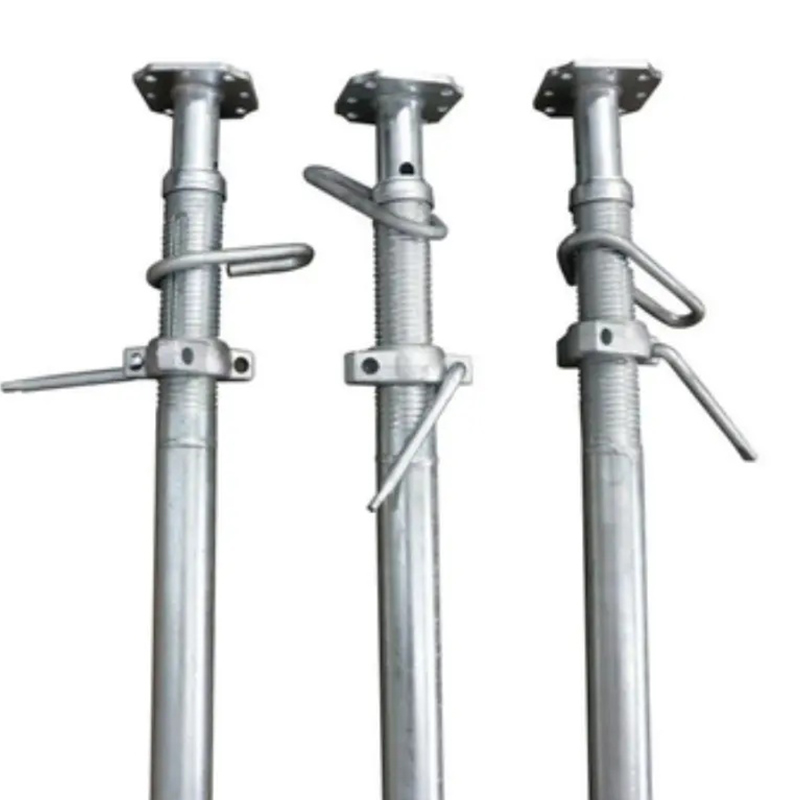
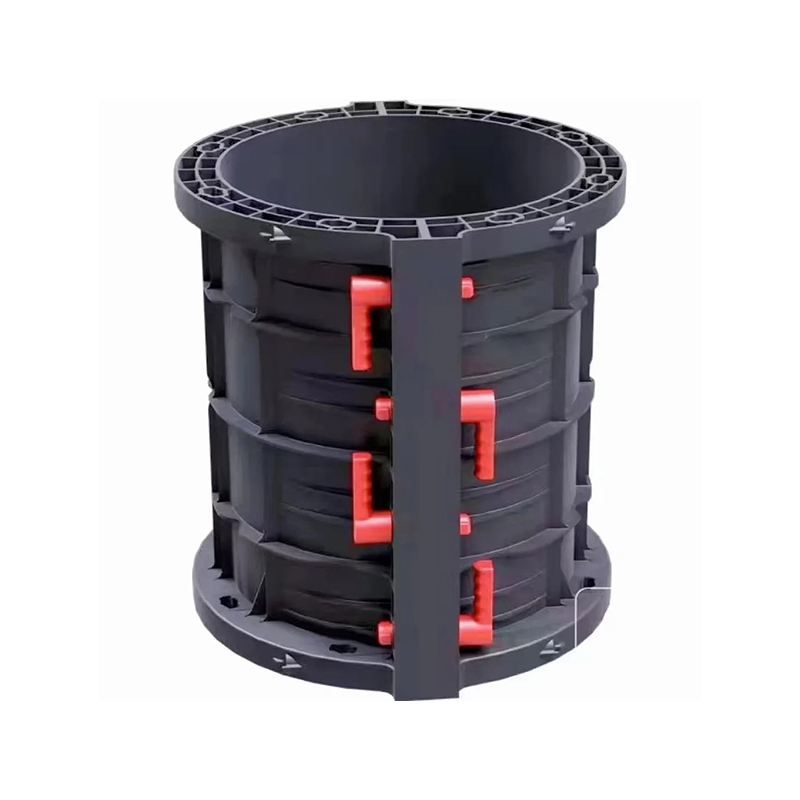
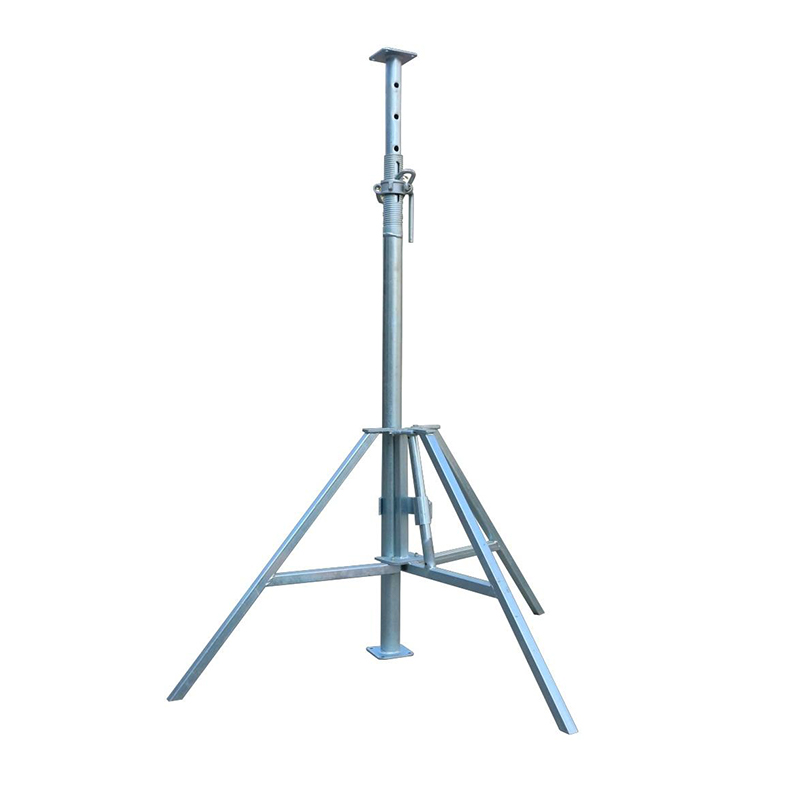
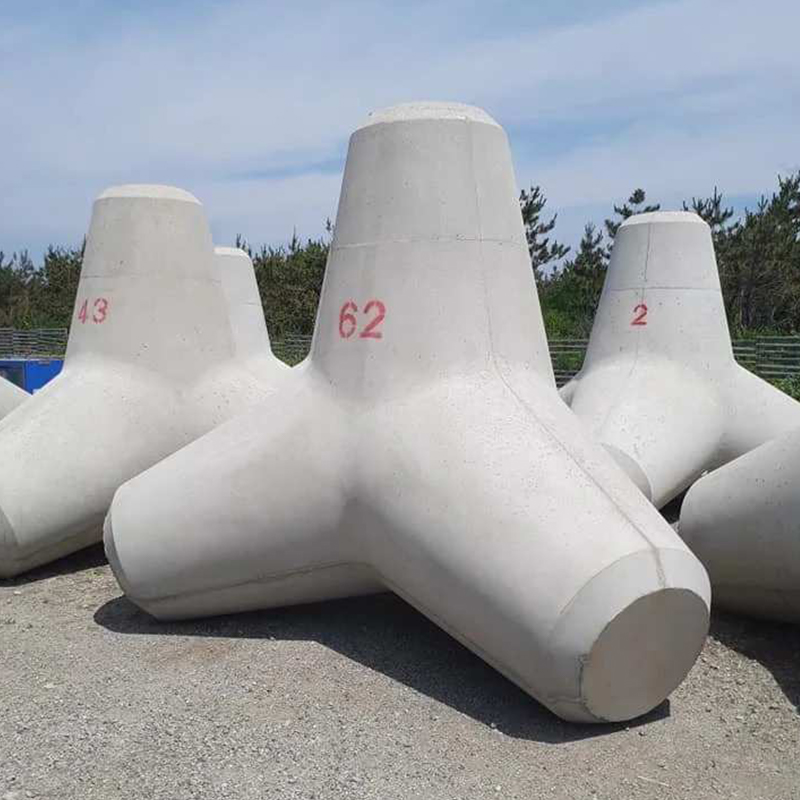
Product: Steel Structure


- Location
- Group 3, Fangzhuang Village, Rucheng Subdistrict, Rugao City, Nantong, Jiangsu, China
- Follow us
- Phone
- +86-13646196162
- info@hysonindustry.com
