 +86-13646196162
 info@hysonindustry.com




 русский
  عربى
عربى 


PP+GF Reinforced Formwork: A High-Performance Alternative to Timber and Steel Systems
 2026.08.08
Content
- 1 What Is PP+GF Reinforced Formwork?
- 2 Material Structure and Engineering Principles
- 3 Key Advantages Over Timber Formwork
- 4 Key Advantages Over Conventional All-Steel Formwork
- 5 Construction Efficiency and Cost Performance
- 6 Environmental Benefits and Circular Use
- 7 Surface Quality and Concrete Release
- 8 Applications in Civil and Commercial Buildings
- 9 Applications in Underground Engineering
- 10 Applications in Bridges and Infrastructure
- 11 Advanced Manufacturing Process
- 12 Quality Control and Standards-Based Production
- 13 Manufacturing Strengths of an Integrated Supplier
- 14 Installation Recommendations
- 15 Safety Considerations
- 16 How to Select the Right Supplier
- 17 OEM and Customized Production Capability
- 18 Project Economics: Evaluating Total Lifecycle Value
- 19 Long-Term Durability and Maintenance
- 20 Comparison with Other Plastic Formwork Products
- 21 Q&A: Frequently Asked Questions
- 21.1 What does PP+GF mean?
- 21.2 Can PP+GF formwork replace timber formwork completely?
- 21.3 Is release agent required?
- 21.4 How many times can the panels be reused?
- 21.5 Can the panels be cut on site?
- 21.6 Are PP+GF panels suitable for wet or underground environments?
- 21.7 Do the panels require steel supports?
- 21.8 Can the product be used for bridge and tunnel projects?
- 21.9 What happens to damaged or used panels?
- 21.10 How does the manufacturer support customized projects?
- 22 Conclusion
- 23 References
- 24 Product: PP+GF Reinforced Formwork
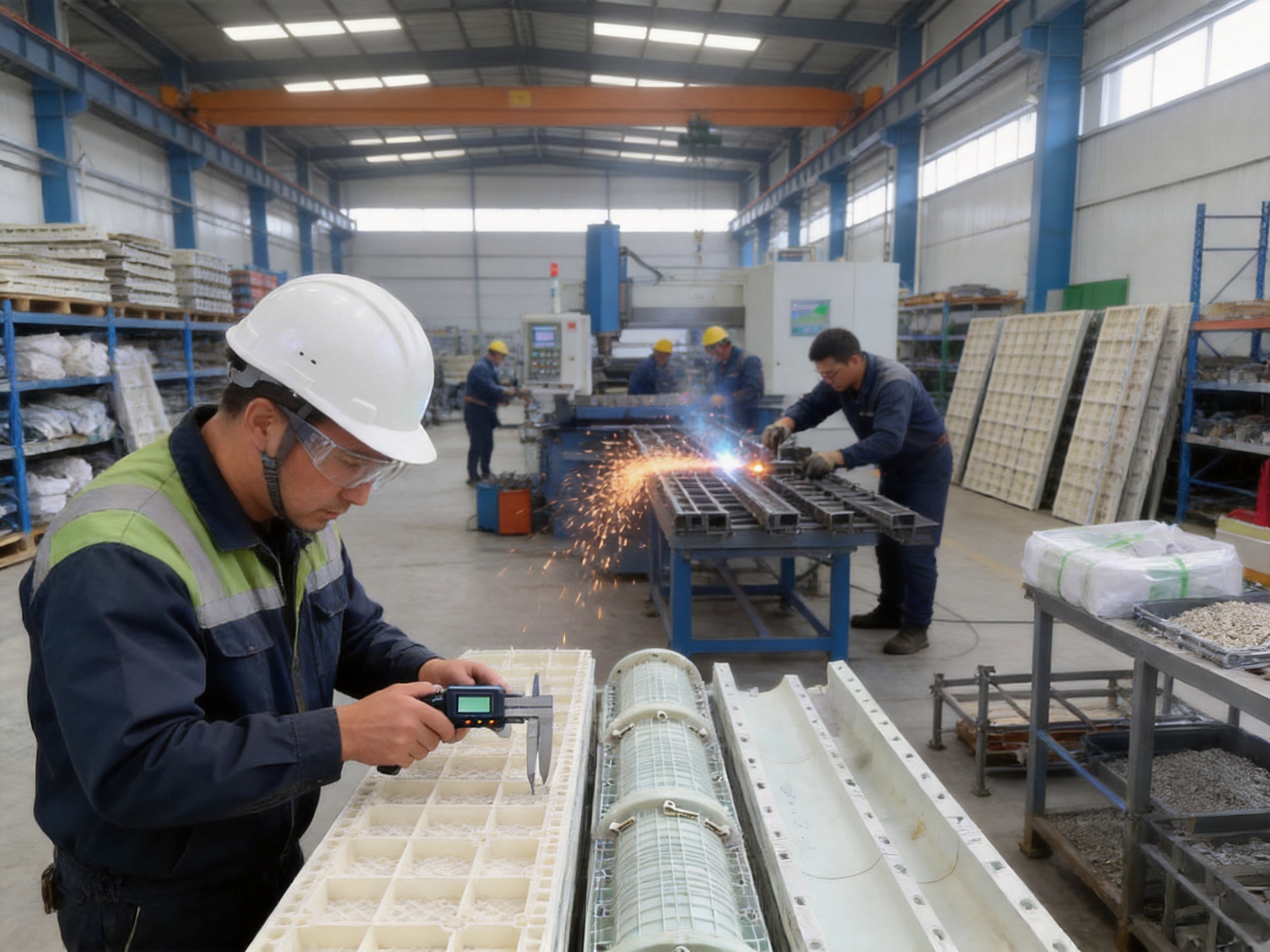
Modern construction projects require formwork systems that combine structural reliability, rapid installation, dimensional stability, cost efficiency, and environmental responsibility. Traditional timber formwork remains familiar and easy to process, but it often has a short service life, absorbs water, changes dimensions, and generates considerable waste. Conventional all-steel formwork offers excellent strength and repeated use, yet its weight, handling requirements, fabrication cost, and susceptibility to corrosion can create challenges on projects with demanding schedules or difficult site conditions.
PP+GF reinforced formwork has been developed to address these limitations. By combining a polypropylene-based polymer matrix with glass-fiber reinforcement, the system brings together the lightweight and workable characteristics of plastic with the strength and stiffness required for cast-in-place concrete construction. It is designed around the principles of replacing wood with plastic, reducing resource consumption, improving construction productivity, and creating a formwork product that can be reused and recycled.
When properly selected, installed, and supported, PP+GF reinforced formwork can provide a smooth concrete finish, easy stripping, high turnover, resistance to moisture and corrosion, and significant reductions in labor and material consumption. Its ability to be sawn, nailed, and drilled also allows contractors to adapt panels to project-specific dimensions without relying exclusively on heavy fabrication equipment at the construction site.
This article examines the structure, performance, applications, manufacturing process, quality-control system, and commercial value of PP+GF reinforced formwork. It also explains how a specialized manufacturer with experience in steel formwork, scaffolding, steel structures, and heavy metal fabrication can use advanced production capabilities to deliver a more dependable plastic-steel formwork solution for infrastructure and building projects.
What Is PP+GF Reinforced Formwork?
PP+GF reinforced formwork is a reusable construction panel system made from polypropylene reinforced with glass fibers. Polypropylene, commonly identified as PP, is a thermoplastic polymer valued for its low density, moisture resistance, chemical resistance, and ease of processing. Glass fiber, identified as GF, is incorporated into the polymer matrix to improve stiffness, strength, dimensional stability, and impact performance.
The resulting material is substantially different from ordinary plastic sheets. Unreinforced plastic may be too flexible for demanding construction applications, while glass-fiber reinforcement helps the panel resist deformation under the pressure of fresh concrete and the forces generated during installation and stripping. The specific formulation, fiber distribution, panel geometry, thickness, surface treatment, and supporting arrangement all contribute to the final load-bearing performance.
The system is intended for cast-in-place concrete applications, including shear walls, columns, beams, floor slabs, retaining walls, bridge piers, tunnels, basements, and utility structures. Panels can be assembled into flat or shaped formwork configurations and supported with appropriate walers, ties, props, frames, or other structural components according to the project design.
Compared with timber formwork, the material does not absorb water from concrete and is not affected by repeated wetting and drying in the same way as wood. Compared with all-steel panels, it is easier to handle and generally requires less lifting equipment for routine installation. Its non-absorbent surface also contributes to simpler cleaning and more consistent concrete release.
Material Structure and Engineering Principles
The performance of PP+GF reinforced formwork depends on the interaction between the polymer matrix and the glass-fiber reinforcement. The polymer provides continuity, surface quality, moisture resistance, and ease of fabrication. The glass fibers provide reinforcement within the matrix, helping control flexural deformation and improving resistance to impact and repeated use.
A well-designed panel must balance stiffness with workability. Excessive stiffness may make cutting and adjustment more difficult, while insufficient stiffness can cause excessive deflection or surface distortion when concrete is placed. For this reason, the material formulation is only one part of the engineering solution. Rib layout, edge reinforcement, connection details, panel dimensions, and installation spacing are equally important.
The face of the panel is designed to create a relatively smooth and uniform contact surface against the concrete. This surface can reduce the likelihood of concrete adhesion and help produce a clean finish after stripping. The rear side may incorporate reinforcement ribs, framing features, or connection zones to improve stiffness and provide secure attachment to the supporting system.
Temperature stability is another important consideration. The product is designed for use across a broad service range, with performance information indicating resistance to shrinkage and cracking between approximately -20°C and 60°C. Actual project performance will also depend on exposure duration, solar radiation, concrete temperature, storage conditions, and the method used to support and connect the panels.
Key Advantages Over Timber Formwork
Smoother Concrete Finish
One of the most important advantages of PP+GF reinforced formwork is its smooth contact surface. When panels are correctly aligned and adequately supported, they can produce concrete surfaces that meet the requirements commonly associated with fair-faced or high-quality exposed concrete. This may reduce or eliminate the need for secondary plastering, patching, or extensive surface correction.
Timber formwork can create visible grain patterns, joint marks, local depressions, edge damage, and uneven absorption. Wood panels may also swell after absorbing water or shrink during drying, creating dimensional changes that influence the finished concrete. A stable polymer-based panel reduces these risks and helps provide more consistent surface results over repeated uses.
Lower Material Consumption
Timber formwork is often discarded after a limited number of uses because of cutting, nailing, moisture exposure, deformation, and surface damage. PP+GF reinforced panels are designed for repeated turnover. The stated service potential is at least 30 uses for flat panels and at least 40 uses for column and beam forms, although actual turnover depends on design, handling, cleaning, storage, concrete pressure, and site discipline.
Higher turnover means fewer panels need to be purchased for a project with a large total formwork area. It also reduces the volume of timber consumed and lowers the amount of waste sent to disposal. For contractors managing multiple projects, reusable panels can remain part of an equipment inventory and generate value over several construction cycles.
Reduced Need for Secondary Finishing
When the concrete surface is sufficiently smooth, contractors may reduce the labor required for plastering, grinding, skim coating, and repair. This benefit extends beyond the price of finishing materials. It can shorten the sequence between formwork removal and the next trade, reduce scaffolding occupancy, and improve the overall construction schedule.
Reduced finishing requirements are particularly valuable for shear walls, core tubes, columns, and other large vertical surfaces where manual correction can be time-consuming. A consistent panel surface also helps standardize the appearance of repeated structural elements across a building or infrastructure project.
Resistance to Water and Corrosion
Wood can absorb water, lose strength, develop fungal deterioration, or change dimensions when repeatedly exposed to wet concrete and outdoor weather. PP+GF material is non-absorbent and does not corrode like untreated steel. This makes it suitable for damp basements, utility tunnels, coastal construction, and other environments where moisture is continuously present.
Corrosion resistance is especially useful when panels are stored outdoors or used in infrastructure projects exposed to rain, groundwater, mud, and high humidity. The absence of rust also helps maintain a cleaner panel surface and reduces the risk of rust transfer to the concrete.
Key Advantages Over Conventional All-Steel Formwork
Lower Weight and Easier Manual Handling
All-steel formwork provides high strength, but its weight can make transportation, alignment, lifting, and repositioning more demanding. Large steel panels commonly require cranes or mechanical lifting equipment, particularly when several panels are assembled into large gangs. PP+GF reinforced panels are lighter and can often be carried and installed by workers using simpler handling methods.
Lower weight can improve safety when panels are moved repeatedly during a shift. It can also reduce dependence on cranes in areas with restricted access, inside buildings, or on small and medium-sized projects. Easier handling may allow a smaller crew to complete the same formwork sequence, while improving the speed of adjustment and stripping.
Improved Site Adaptability
Steel panels are normally fabricated to fixed dimensions and may require cutting, welding, or specialized modification when project geometry changes. PP+GF panels can be sawn, nailed, and drilled using suitable tools. This allows contractors to make controlled adjustments around openings, corners, embedded components, irregular wall lengths, and site-specific details.
Although field modification should always follow engineering and safety requirements, the ability to process panels with common construction tools provides a practical advantage. It reduces the need to return panels to a fabrication shop and helps contractors respond more quickly to changes in drawings or actual site conditions.
Reduced Support Requirements
Project experience indicates that the system can reduce the need for steel pipe supports by approximately 50 percent in suitable applications. The actual reduction depends on panel dimensions, concrete pressure, wall height, pour rate, temperature, tie spacing, and the design of the supporting structure. Nevertheless, lower support demand can reduce the amount of auxiliary steel that must be transported, assembled, adjusted, and dismantled.
A lighter panel combined with an optimized support arrangement can reduce labor congestion around the formwork. This is useful on projects where multiple trades work in limited spaces or where access for heavy equipment is restricted.
Less Maintenance Related to Rust
Steel formwork requires attention to rust prevention, coating condition, weld integrity, and storage. Damaged paint or exposed steel can corrode rapidly in wet environments. PP+GF panels avoid this particular maintenance burden. They still require inspection for cracks, severe impact damage, deformation, or connection wear, but routine cleaning and storage are generally simpler.
Construction Efficiency and Cost Performance
The economic value of formwork should not be evaluated only by the initial price of a panel. A complete assessment should include labor, supporting materials, lifting equipment, cleaning, repair, stripping, concrete finishing, transport, storage, disposal, and the number of successful reuses. PP+GF reinforced formwork is designed to improve this total cost calculation through a combination of lightweight handling, high turnover, and reduced finishing work.
Some case studies indicate cost savings of approximately 50 percent compared with timber formwork. Such results are project-dependent and should not be treated as a universal guarantee. Savings can be influenced by local labor costs, panel layout, formwork design, concrete quality, project duration, the number of reuse cycles, and whether the contractor owns or rents the equipment.
For a project with repetitive walls, columns, or slabs, the economic benefits can accumulate quickly. A panel may be stripped, cleaned, inspected, repositioned, and reused several times within the same project. If the panel remains serviceable after completion, it can be transferred to another project, increasing its lifetime value.
Higher productivity is also important. Some applications have reported approximately double the formwork installation efficiency compared with conventional methods. Productivity gains may result from lighter components, simpler cutting and drilling, reduced support requirements, easier stripping, and fewer finishing operations. Effective planning is essential to achieve these results, including early panel layout, standardized dimensions, proper storage, and trained installation crews.
| Performance Area | PP+GF Reinforced Formwork | Timber Formwork | Conventional All-Steel Formwork |
|---|---|---|---|
| Panel weight | Lightweight and suitable for easier manual handling | Generally light, but varies with thickness and moisture | Heavy, often requiring mechanical lifting |
| Surface finish | Smooth and consistent when properly installed | May show grain, joints, swelling, or local damage | Generally smooth but dependent on fabrication and maintenance |
| Water absorption | Non-absorbent | Absorbs water and may change dimensions | Non-absorbent but may corrode if protection is damaged |
| Corrosion resistance | Excellent resistance to corrosion | Not subject to metal corrosion but vulnerable to biological deterioration | Requires corrosion protection and maintenance |
| Field processing | Can be sawn, nailed, and drilled | Easy to cut and nail | Usually requires specialized cutting or welding |
| Typical turnover potential | At least 30 uses for flat panels and 40 uses for column or beam forms under suitable conditions | Usually lower and highly dependent on treatment | High, but with higher handling and maintenance requirements |
| Recyclability | Offcuts and used panels can be recycled | Limited recycling after contamination or damage | Highly recyclable as metal but energy-intensive to produce and move |
| Best suited applications | Repeated cast-in-place concrete structures and moisture-exposed projects | Small-scale or highly customized temporary work | Large repetitive structures requiring rigid heavy-duty panels |
Environmental Benefits and Circular Use
The replacement of timber with a reusable polymer composite can reduce pressure on forest resources and lower the amount of construction waste. Because PP+GF panels can be reused many times, the material consumed per concrete surface over the life of the product can be significantly lower than that of single-use or low-turnover timber panels.
Offcuts and used formwork can be collected for recycling. The stated objective is 100 percent recyclability of production offcuts and used panels, subject to appropriate collection and processing systems. Recycling helps recover material that would otherwise become waste and supports a more circular approach to construction equipment management.
Environmental performance also comes from reduced transport and handling requirements. Lighter panels may require less fuel for delivery and less lifting energy on site. Fewer support pipes, reduced finishing materials, and lower disposal volumes can further improve the overall project environmental profile.
Responsible use still requires careful planning. Panels should not be discarded prematurely, and damaged pieces should be separated for repair or recycling. Contractors should establish collection procedures for offcuts, maintain storage areas that prevent unnecessary damage, and avoid mixing recyclable polymer composite waste with general site debris.
Surface Quality and Concrete Release
A formwork system is judged not only by its ability to hold fresh concrete but also by the quality of the surface it produces. PP+GF reinforced formwork has a smooth, low-adhesion face that helps concrete release cleanly. In many applications, no release agent is required. This reduces the cost and labor associated with applying, storing, and controlling release chemicals.
Eliminating release agent can also reduce the risk of staining or uneven surface coloration caused by incorrect application. However, contractors should verify the result through a test panel before starting a major pour. Concrete mix design, temperature, vibration, curing conditions, panel cleanliness, and the length of time before stripping can all affect release performance.
After stripping, panels can generally be cleaned with practical site methods. Concrete residue should be removed without using tools or chemicals that could gouge or soften the surface. Proper cleaning is important because hardened deposits can affect panel alignment, create local pressure points, and reduce the quality of subsequent concrete surfaces.
The panel joints should also be controlled carefully. Even a high-quality panel cannot compensate for open seams, poor alignment, damaged edges, or inadequate support. Joint treatment, corner details, tie holes, and transitions between different materials should be included in the formwork plan.
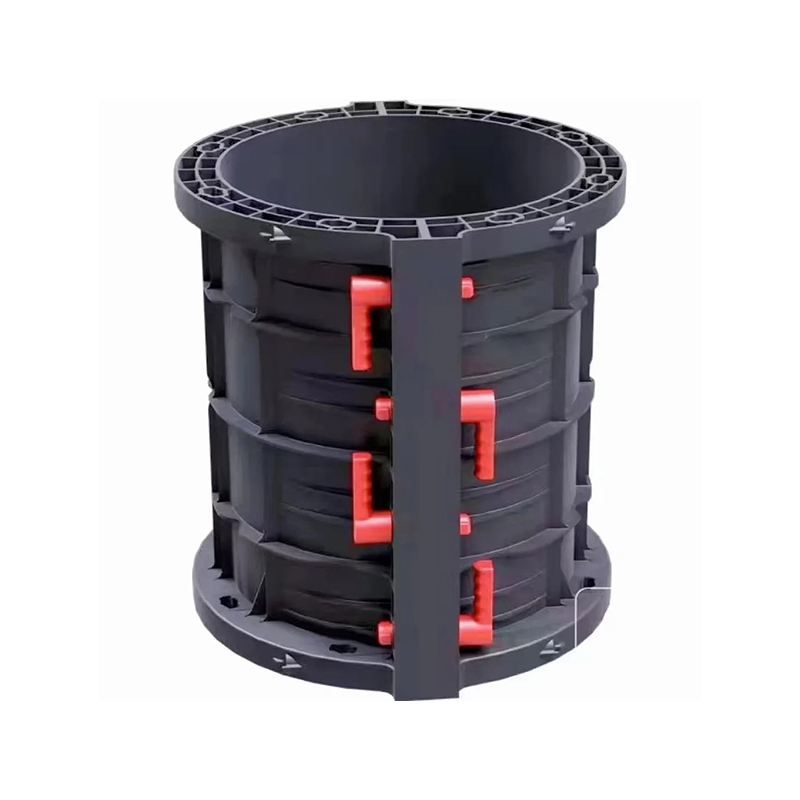
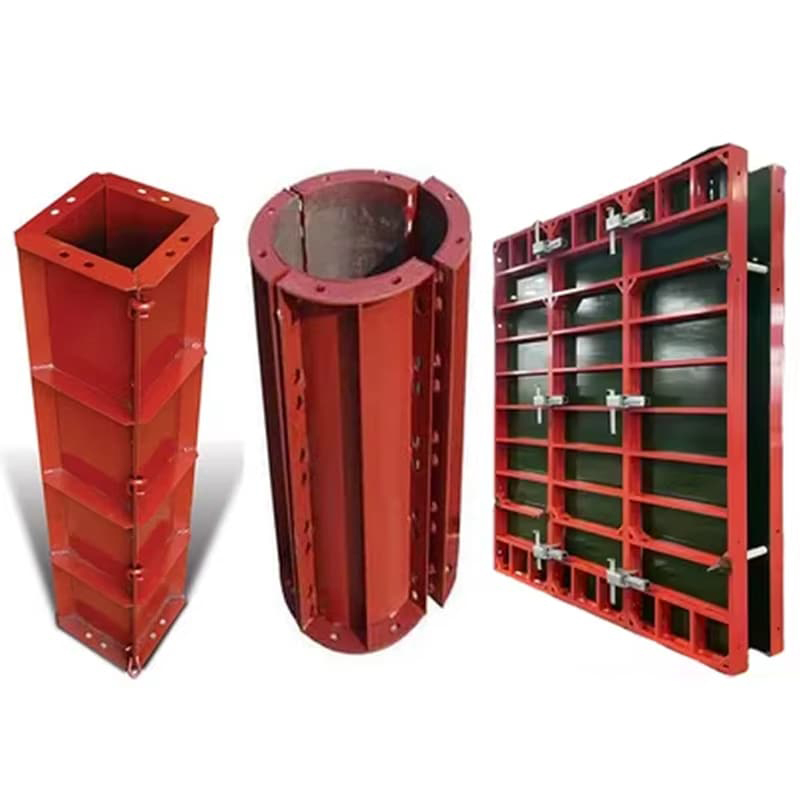
PP+GF Reinforced Formwork
Applications in Civil and Commercial Buildings
Shear Walls and Core Tubes
High-rise buildings and commercial structures often contain repetitive shear walls, elevator cores, stair cores, and service shafts. These elements require accurate alignment and a consistent surface finish. PP+GF panels can be arranged into modular systems that are easy to move between floors and adapt to openings or embedded services.
Their light weight is beneficial in upper-level construction, where moving heavy steel panels through partially completed buildings can be difficult. Workers can reposition smaller panels more easily, while the reusable surface helps maintain a consistent architectural appearance throughout the structure.
Floor Slabs
For floor slabs, the panels can be used with suitable beams, props, frames, and edge protection. Their non-absorbent surface helps maintain a uniform underside finish and avoids the swelling commonly associated with wet timber sheets. Because slab formwork is repeatedly assembled and removed, the ability to clean and reuse panels is particularly valuable.
Slab applications require careful attention to support spacing and deflection control. The panel itself must be used within its design limits, and the supporting system must be checked for load, stability, and construction-stage conditions. Proper installation is essential to prevent excessive movement during concrete placement.
Columns and Beams
Column and beam forms benefit from the material's ability to be cut and drilled for project-specific dimensions. The stated turnover potential for column and beam forms can reach at least 40 uses under suitable conditions. Repeated elements can be standardized, allowing the contractor to develop efficient assembly procedures and reduce measurement errors.
Column corners and beam soffits should be protected from impact during handling. Properly designed corner reinforcement and connection details help preserve dimensional accuracy over repeated cycles. Any panel that has developed a crack, severe deformation, or damaged connection area should be removed from service or repaired according to an approved procedure.
Applications in Underground Engineering
Basement exterior walls, underground utility corridors, drainage structures, and service tunnels are exposed to moisture, soil pressure, and demanding working conditions. PP+GF reinforced formwork is suitable for these environments because it is non-absorbent and corrosion-resistant.
In basement construction, the formwork may be exposed to groundwater, wet soil, mud, and extended periods of high humidity. Unlike wood, the panel does not rely on maintaining a dry condition to preserve its dimensions. Unlike unprotected steel, it does not develop rust on the face or edges simply because of moisture exposure.
Utility tunnels and underground structures often involve repetitive wall sections. A reusable panel system can improve cycle times and reduce the need to purchase new timber for each section. The ease of cleaning is also valuable where concrete residue, mud, and dust can otherwise accumulate quickly.
Underground applications still require a complete structural design. Fresh concrete pressure, external water pressure, tie arrangement, working platforms, access routes, and stripping sequences must be considered. Material resistance to water does not replace the need for proper bracing and safe temporary works engineering.
Applications in Bridges and Infrastructure
Infrastructure projects frequently require formwork for bridge piers, abutments, retaining walls, tunnel linings, culverts, and other reinforced-concrete components. These projects often include repeated structural elements, demanding schedules, difficult logistics, and exposure to weather. PP+GF reinforced formwork can offer a practical balance between flexibility and durability.
Bridge pier construction benefits from panels that are easy to transport, align, and reuse. Where pier dimensions vary slightly, panels can be adjusted or combined with custom components. Retaining walls and abutments may require corrosion-resistant materials because of prolonged contact with water, soil, and wet concrete.
Tunnel and infrastructure projects also place a premium on cycle efficiency. Reducing the time required for stripping, cleaning, and repositioning can improve the number of completed pours per week. Lighter panels can be especially useful in locations where cranes are unavailable or where access is restricted by existing roads, rail lines, waterways, or underground services.
For large public infrastructure projects, reliable quality control is essential. A manufacturer experienced in bridge formwork and heavy steel fabrication can coordinate material production with project-specific drawings, supporting frames, connection components, and inspection documentation. This integrated capability reduces the risk that panels and support systems will be treated as unrelated products.
Advanced Manufacturing Process
Engineering and Product Configuration
Manufacturing begins with understanding the project requirements. The supplier reviews the intended application, panel dimensions, concrete pressure, reuse target, connection arrangement, support spacing, storage method, and site conditions. Standard modules can be selected where possible, while non-standard sections are developed for special geometries.
Computer-aided design is used to prepare panel layouts, connection details, reinforcement ribs, edge treatments, and supporting components. Digital drawings help verify dimensions and identify interference between panels, ties, walers, props, embedded items, and access platforms before production begins.
For projects that combine plastic panels with steel frames or custom brackets, engineering coordination is particularly important. The interface between the polymer composite panel and steel support must transfer construction loads safely without creating local stress concentrations or damaging the panel.
Raw Material Preparation
Polypropylene resin and glass-fiber reinforcement are selected according to the required performance. Material preparation may include drying, blending, batching, and controlled feeding. Consistent raw-material handling is important because variations in moisture, fiber content, or additive concentration can influence strength, surface quality, shrinkage, and dimensional stability.
Production records should identify material batches and processing conditions. Traceability helps the manufacturer investigate any variation and provides customers with greater confidence in long-term product consistency. For large projects, batch control is also useful when panels are delivered in multiple production lots.
Compounding and Reinforcement Distribution
During compounding, the polymer and glass fiber are combined under controlled temperature and mixing conditions. The objective is to distribute reinforcement consistently throughout the material while avoiding excessive fiber breakage or uneven concentration. Uniform dispersion supports predictable mechanical behavior and reduces the risk of weak local zones.
Processing parameters such as temperature, screw speed, residence time, and feeding rate must be controlled. Excessive heat may degrade the polymer, while inadequate mixing may create inconsistent reinforcement. A professional production line uses standardized procedures and records to maintain repeatability from one batch to the next.
Panel Forming and Surface Creation
The compounded material is formed into the required panel geometry using an appropriate molding or extrusion process. The surface that contacts concrete must remain smooth and free from voids, deep scratches, contamination, or other defects that could affect stripping and appearance.
Panel thickness and dimensional tolerances are controlled during forming. Reinforcement ribs, edges, and connection zones must be accurately produced because they influence panel stiffness and assembly quality. Automated or semi-automated equipment can improve repeatability compared with purely manual fabrication.
Steel Component Fabrication
Some PP+GF formwork systems are combined with steel frames, walers, brackets, props, connectors, or other load-bearing components. These parts require accurate cutting, bending, drilling, assembly, and welding. A manufacturer with heavy metal fabrication capabilities can produce these components within the same quality system used for custom steel formwork and infrastructure products.
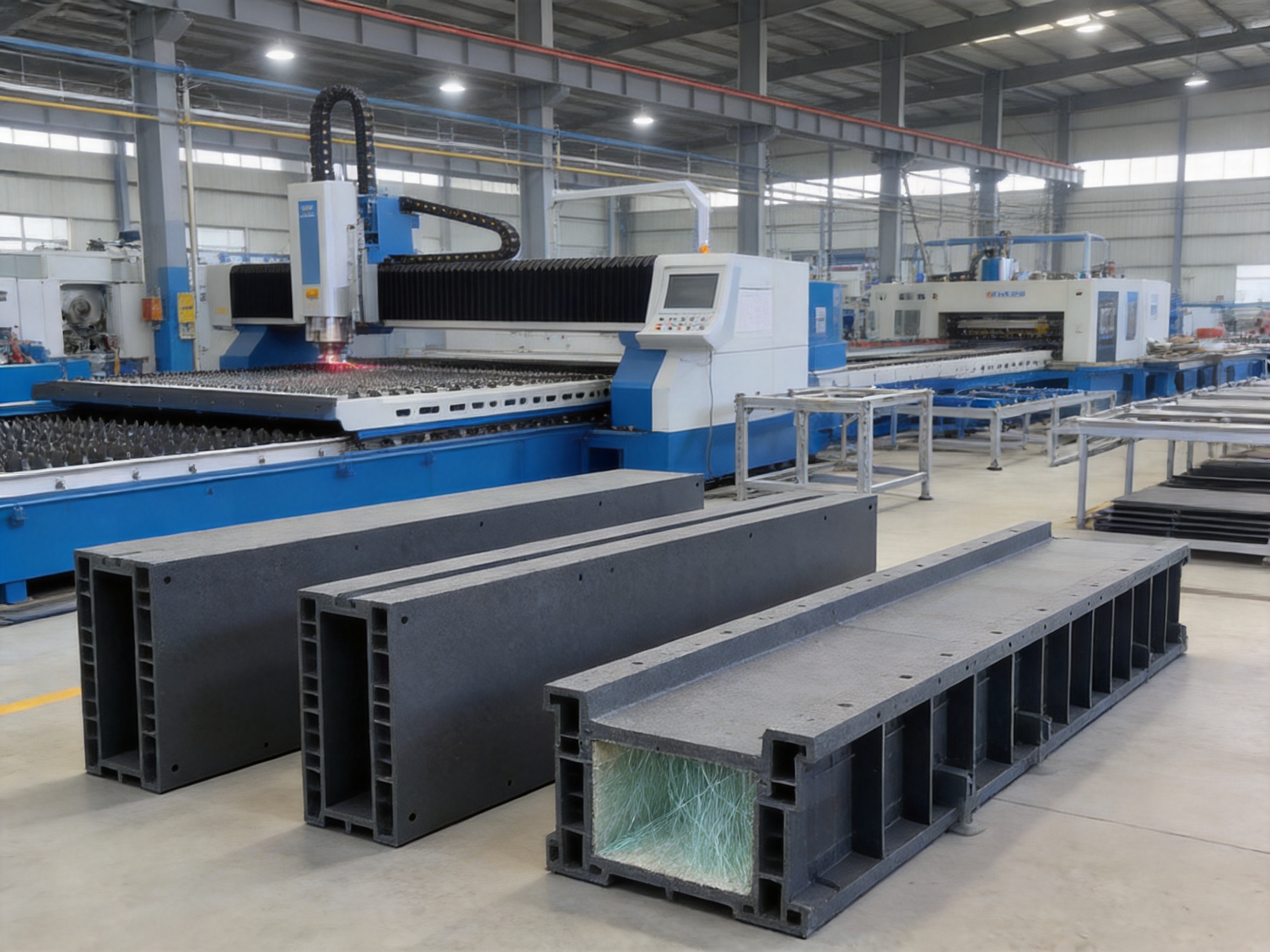
Advanced CNC laser cutting equipment can process steel plates and profiles with precise dimensions and clean edges. Accurate cutting reduces fit-up problems during assembly and improves the interchangeability of components. CNC bending equipment can produce repeatable angles and shapes for brackets, stiffeners, frames, and connection parts.
Welding is performed using qualified procedures and trained personnel. Depending on the project and applicable requirements, the manufacturer may apply AWS or EN welding practices. Weld appearance, penetration, distortion, dimensional accuracy, and surface condition are checked before components are released for further processing or shipment.
Assembly and Trial Fitting
Where the product includes integrated frames or custom supports, trial fitting may be carried out before delivery. This confirms that panels, connectors, brackets, ties, and frames match the approved drawings. Trial assembly is especially useful for non-standard formwork used in bridges, tunnels, curved structures, or complex building geometries.
Trial fitting can identify incorrect hole positions, dimensional conflicts, insufficient clearance, or difficult installation sequences at an early stage. Corrections made in the factory are generally faster and less expensive than modifications made after delivery to a busy construction site.
Inspection, Packaging, and Delivery
Finished panels are inspected for surface defects, dimensions, edge quality, flatness, connection accuracy, and visible damage. Steel components are checked for weld quality, coating condition where applicable, and conformity with drawings. Inspection records can be prepared for customer approval and project documentation.
Packaging must protect the panels from impact, excessive bending, contamination, and prolonged exposure to unsuitable storage conditions during transportation. Components should be labeled clearly so that workers can identify panel types, assembly groups, and installation locations quickly on site.
Quality Control and Standards-Based Production
Reliable formwork performance depends on a complete quality system rather than a single final inspection. The manufacturer should control raw materials, production parameters, dimensions, surface condition, welding, assembly, packaging, and traceability. Each stage influences the safety and efficiency of the final product.
ISO 9001-based quality management provides a structured framework for document control, corrective action, supplier evaluation, inspection planning, and continual improvement. In addition to company-level quality procedures, project-specific inspection and testing plans can be prepared for customers who require detailed manufacturing records.
For steel scaffolding and related components, compliance with standards such as BS1139 and EN74 can support confidence in dimensional compatibility, fittings, and load-bearing accessories where those standards are applicable. Welding practices aligned with recognized AWS or EN requirements help establish consistent fabrication quality for steel frames, brackets, and structural components.
Quality control for PP+GF panels may include dimensional checks, visual inspection, flatness verification, impact evaluation, resistance testing, and repeated-use assessment. The exact tests should be selected according to the product design and the requirements of the intended application. Customers should request technical data, installation instructions, allowable support spacing, and recommended maintenance procedures before placing the product into service.
For major infrastructure projects, a factory acceptance inspection can be arranged. The customer or an appointed third party may review materials, dimensions, welds, assembly condition, marking, and documentation before shipment. This process is particularly useful for customized systems with large quantities or strict project schedules.
Manufacturing Strengths of an Integrated Supplier
A supplier that produces only a single type of panel may have limited ability to address the complete formwork requirement. An integrated manufacturer with experience in custom steel formwork, ringlock scaffolding, heavy-duty steel structures, and OEM metal fabrication can offer a broader engineering solution.
Such a supplier can coordinate the PP+GF panel with steel walers, frames, supports, scaffolding access, lifting points, tie systems, and special components. This reduces the coordination burden for the contractor and helps ensure that all components work together during erection, concrete placement, stripping, and relocation.
Advanced laser cutting equipment allows the production of accurate steel plates and custom brackets. Standardized production lines improve repeatability, while skilled fabrication teams handle non-standard dimensions and project-specific details. The combination of automated processing and experienced welding craftsmanship is valuable for projects where both speed and customization are required.
Engineering experience in bridges, tunnels, commercial buildings, industrial facilities, and power projects also helps the manufacturer understand the practical challenges of construction. A product is more valuable when it is designed not only for factory production but also for transportation, site assembly, cleaning, repeated handling, and eventual recycling.
Patent experience and a record of developing utility improvements can support continuous product refinement. Design improvements may focus on panel connections, reinforcement geometry, edge protection, stripping efficiency, storage methods, or compatibility with existing support systems. The goal is to create a system that performs reliably throughout its working life rather than merely meeting a basic initial specification.
Installation Recommendations
Review Drawings Before Assembly
Before installation, the contractor should review the approved formwork drawings, panel schedule, support layout, tie arrangement, concrete pour sequence, and stripping requirements. Panels should be checked against the planned wall thickness, column dimensions, beam sizes, slab levels, openings, and embedded items.
Any damaged or visibly distorted panels should be separated before assembly. Minor surface contamination should be removed, and connection holes should be checked for obstruction. A clear panel identification system can reduce assembly time and prevent the wrong components from being installed in a particular location.
Prepare a Stable Support System
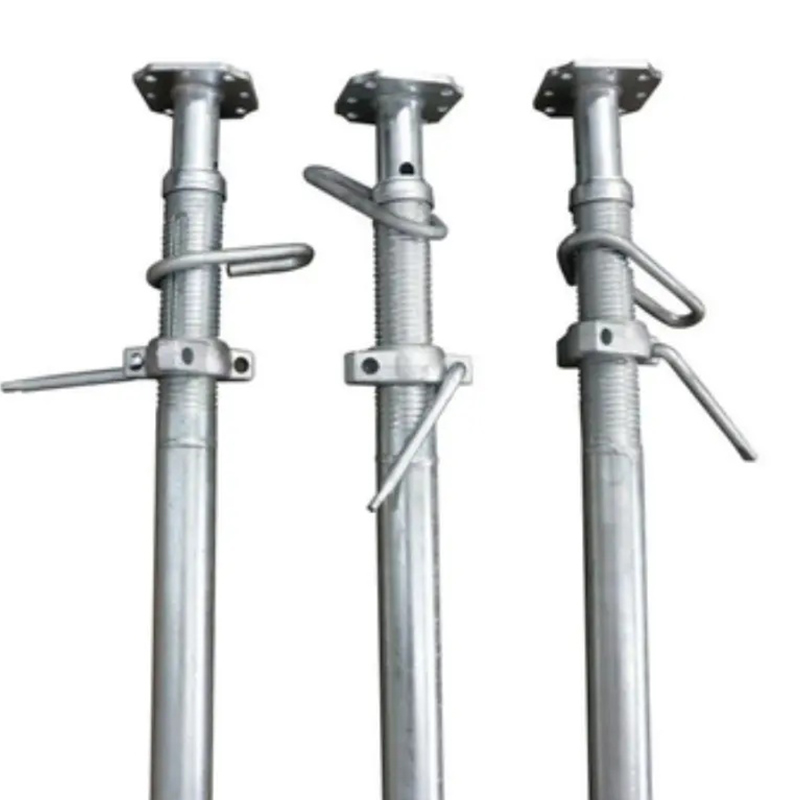
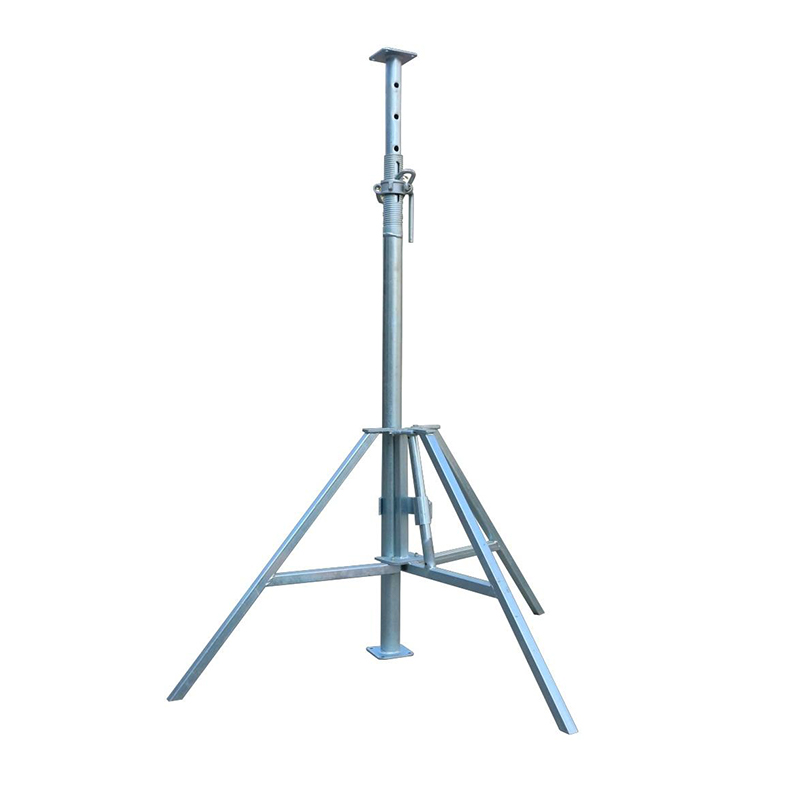
PP+GF panels should not be expected to carry construction loads without appropriate support. Walers, props, frames, ties, or other structural members must be selected according to the concrete pressure and the height of the pour. Support spacing should follow the manufacturer's technical documentation or an approved project design.
The base of the support system must be stable, level, and capable of carrying the temporary loads. On soft ground or uneven slabs, suitable sole plates, spreaders, or adjustment devices may be needed. Bracing should be installed to prevent movement, overturning, or progressive instability during concrete placement.
Control Alignment and Joints
Panels should be aligned before pouring and checked again after connection. Joints should be tight enough to prevent grout leakage. Corners, penetrations, tie holes, and transitions require special attention because these areas are common sources of leakage and surface defects.
Where a panel is cut or drilled, the new edge should be inspected and protected as necessary. Excessive or randomly placed holes can reduce the panel's effective service life and may interfere with structural performance. Field modifications should be made only in accordance with approved instructions.
Manage Concrete Placement
Concrete should be placed at a controlled rate that remains within the formwork design limits. Excessive pour speed can increase lateral pressure and may cause movement, leakage, or local damage. Vibration should be performed properly without allowing the vibrator to strike the panels, ties, or connections repeatedly.
During the pour, the formwork should be monitored for movement, bulging, leakage, or unusual noise. If a problem is detected, placement should be paused and the cause corrected before continuing. Safe access platforms and working procedures are essential for inspection during concrete operations.
Strip, Clean, and Store Carefully
Stripping should begin only when the concrete has developed sufficient strength and the approved sequence allows removal. Pry bars, hammers, or other tools should not be used in a way that damages the panel edges or face. A controlled stripping procedure protects both the concrete and the formwork.
After removal, panels should be cleaned promptly. Concrete residue should not be allowed to harden into thick deposits. Panels should be stacked on level supports, protected from unnecessary impact, and stored in a way that avoids excessive bending or distortion. Proper storage is one of the most important factors affecting turnover performance.
Safety Considerations
Formwork is temporary works, but it carries significant construction loads and must be treated as a structural system. The use of lightweight panels does not remove the need for engineering review, safe access, fall protection, bracing, tie inspection, and competent supervision.
Workers should be trained in panel handling, connection procedures, cutting and drilling, lifting practices, concrete placement, and stripping. Personal protective equipment should be used when cutting or drilling composite panels, particularly where dust or small fibers may be generated. Tools should be maintained and operated according to their instructions.
Before each pour, the contractor should inspect panel condition, connections, supports, ties, braces, working platforms, access routes, and nearby structures. Any defect that could affect stability or concrete quality should be corrected before work begins.
Fire-related requirements should also be considered. The product is described as flame-retardant, but flame-retardant does not mean non-combustible. Storage, hot work, welding, cutting, and site fire protection must follow the project's safety plan and applicable regulations.
How to Select the Right Supplier
Buyers should evaluate more than the appearance or initial price of a formwork panel. Important questions include whether the supplier can provide technical drawings, material information, support recommendations, reuse guidance, dimensional tolerances, repair procedures, and inspection records.
The supplier's manufacturing capacity is also important. For a large project, the factory must be able to maintain consistent quality across multiple production batches and deliver panels according to the construction schedule. Delayed or mismatched panels can reduce the benefit of a high-productivity system.
Customers should examine whether the manufacturer can provide both standard and customized products. A supplier that also manufactures steel structures, bridge formwork, scaffolding, brackets, and heavy components may be able to simplify procurement by providing a coordinated package.
International customers should consider export packaging, documentation, communication, quality inspection, spare-part availability, and after-sales engineering support. A reliable supplier should be able to clarify the product's intended use and limitations rather than presenting unsupported universal claims.
OEM and Customized Production Capability
Different projects require different panel sizes, connection systems, surface arrangements, support frames, and reuse strategies. OEM production allows the formwork to be adapted to a customer's drawings, branding requirements, construction method, or existing equipment inventory.
Customization may include non-standard panel dimensions, special corner units, column forms, beam forms, slab modules, curved or angled components, steel backing frames, integrated lifting points, and connection accessories. The manufacturer can review the project drawings and determine which portions should use standard modules and which require custom fabrication.
For customers already using steel formwork or scaffolding, PP+GF panels can potentially be coordinated with existing support equipment. This may reduce the need to replace an entire formwork inventory. Compatibility must be confirmed through engineering review because connection dimensions and load paths vary between systems.
OEM production also enables private-label supply for distributors, contractors, and construction-equipment companies. Consistent marking, packaging, inspection documentation, and technical manuals can be prepared according to the buyer's requirements.
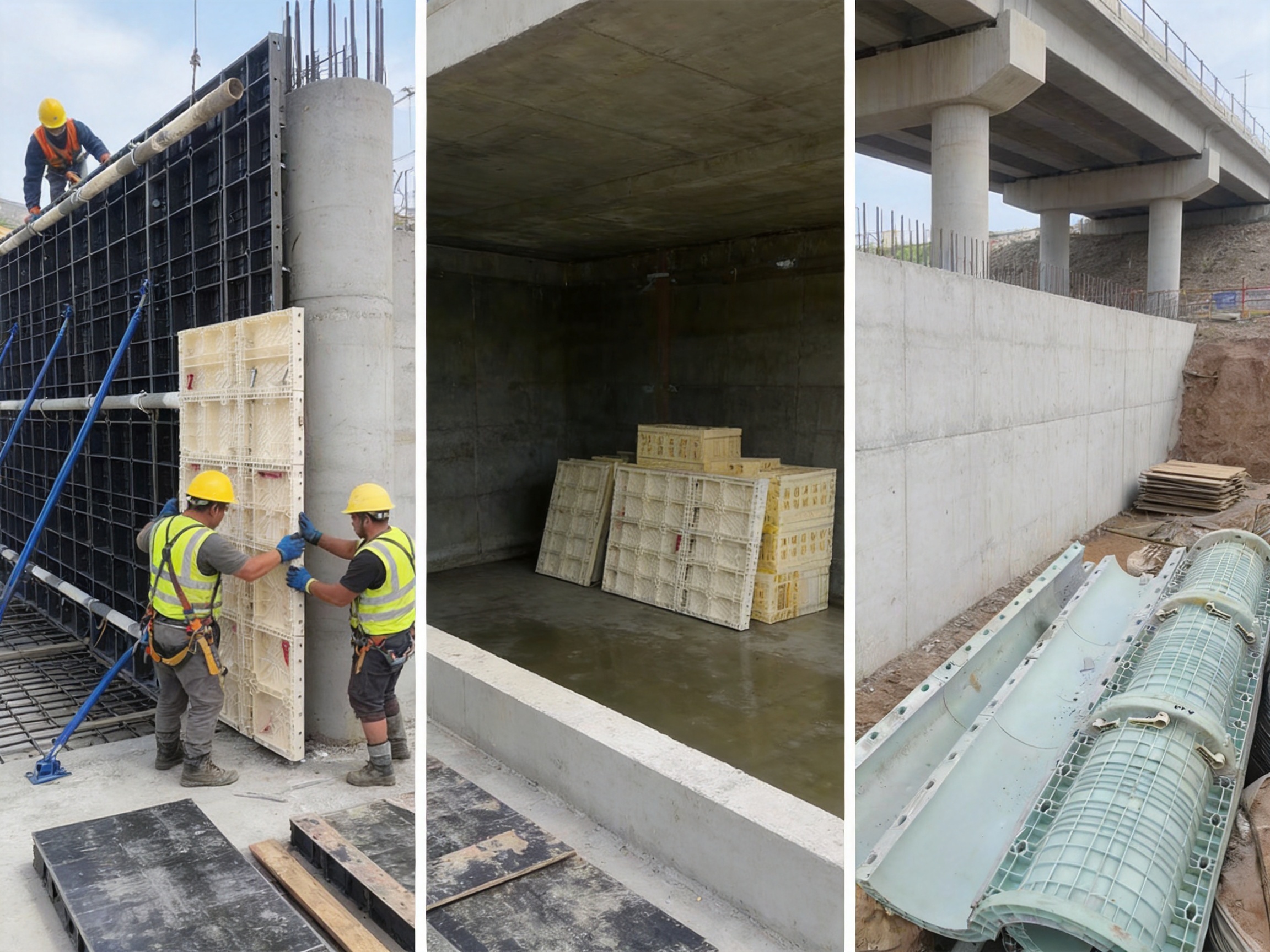
Project Economics: Evaluating Total Lifecycle Value
A lifecycle evaluation should compare the complete cost of each formwork option. The initial purchase price is only one factor. Labor for carrying and installing panels, cost of steel supports, crane time, release agent, cleaning, repairs, surface finishing, storage, transportation, and disposal should all be included.
For timber formwork, the contractor should estimate how many uses can realistically be achieved under the project's working conditions. Timber may appear inexpensive at the start, but repeated cutting, replacement, and disposal can increase its actual cost. The cost of concrete surface correction should also be considered where fair-faced results are required.
For all-steel formwork, the analysis should include lifting equipment, transport weight, specialized modification, rust protection, and the labor required for repositioning. Steel may offer excellent turnover, but its economic advantage depends on whether the project has enough repetition and sufficient lifting capacity to justify the investment.
For PP+GF reinforced formwork, the main variables include panel price, expected reuse, support requirements, cleaning labor, repair procedures, and recycling value at the end of service. The lighter weight and simpler field processing may reduce indirect costs that are not always visible in a basic quotation.
Long-Term Durability and Maintenance
Durability depends on how the formwork is used and maintained. The material is designed to resist impact, weather, moisture, and repeated handling, but no panel is immune to severe abuse. Dropping panels from height, dragging them across abrasive surfaces, overloading them, or using damaged supports can shorten service life.
Panels should be inspected periodically for cracks, deep cuts, deformation, exposed reinforcement, damaged edges, and connection wear. Small issues should be addressed before they become larger problems. The manufacturer should provide guidance on whether a damaged panel can be trimmed, reinforced, or repaired, or whether it must be removed from service.
Cleaning should be performed with methods that preserve the surface. Aggressive grinding, uncontrolled flame heating, or incompatible chemicals may damage the polymer. Panels should be kept away from unnecessary sources of heat and stored in a way that prevents prolonged distortion.
With proper care, the formwork can achieve repeated use and maintain a stable amortized cost. The stated target of at least 30 uses for flat panels and 40 uses for column or beam forms should be treated as a planning reference rather than a substitute for project-specific evaluation.
Comparison with Other Plastic Formwork Products
Not all plastic formwork has the same performance. Some products are made from unreinforced polymer and may be suitable only for light-duty applications. Others use recycled plastic blends with different stiffness, impact resistance, temperature stability, or surface characteristics. Buyers should request technical information rather than assuming that all plastic panels are interchangeable.
Glass-fiber reinforcement gives PP+GF panels a structural advantage over many ordinary plastic boards. It can improve rigidity and reduce deformation, particularly when the panel geometry and support arrangement are properly designed. However, the final result depends on fiber content, material quality, manufacturing controls, and the complete formwork system.
A product should be judged by its tested performance, technical documentation, manufacturing traceability, and field support. The strongest competitive position comes from combining a reliable composite panel with professionally designed steel components and an installation method that contractors can use safely and efficiently.
Q&A: Frequently Asked Questions
What does PP+GF mean?
PP+GF means polypropylene reinforced with glass fiber. Polypropylene provides a lightweight, moisture-resistant polymer matrix, while glass fibers improve stiffness, strength, impact resistance, and dimensional stability.
Can PP+GF formwork replace timber formwork completely?
It can replace timber in many cast-in-place concrete applications, including walls, slabs, columns, beams, retaining walls, and infrastructure structures. The suitability of a specific system depends on concrete pressure, panel design, support spacing, project geometry, and local construction requirements.
Is release agent required?
The smooth, low-adhesion surface is designed to allow easy stripping without release agent in many applications. A trial pour should be carried out because concrete mix, temperature, curing time, surface condition, and installation quality can influence release performance.
How many times can the panels be reused?
The stated turnover potential is at least 30 uses for flat panels and at least 40 uses for column and beam forms under suitable conditions. Actual service life depends on handling, cleaning, storage, support design, concrete pressure, stripping procedures, and maintenance.
Can the panels be cut on site?
Yes. The panels are designed to be sawn, nailed, and drilled with suitable tools. Field modifications should follow approved instructions, and cut edges or new holes should be inspected to ensure that they do not compromise panel performance.
Are PP+GF panels suitable for wet or underground environments?
They are well suited to many wet and underground applications because they are non-absorbent and corrosion-resistant. Basements, utility tunnels, drainage structures, and other moisture-exposed projects can benefit from these characteristics. Structural support and waterproofing design remain essential.
Do the panels require steel supports?
Most formwork systems require appropriate support, such as walers, ties, props, frames, or braces. The lighter panel may reduce the amount of steel pipe support required, with some applications reporting reductions of approximately 50 percent. The actual support arrangement must be determined by engineering calculations and project conditions.
Can the product be used for bridge and tunnel projects?
Yes. Typical applications include bridge piers, retaining walls, tunnel structures, culverts, and other infrastructure components. Repetition, moisture resistance, easy handling, and high turnover make the system attractive for many infrastructure projects.
What happens to damaged or used panels?
Panels should be inspected and separated according to condition. Usable panels can be cleaned and returned to service, while repairable components may be restored according to the manufacturer's instructions. Offcuts and end-of-life panels can be collected for recycling rather than disposed of as general construction waste.
How does the manufacturer support customized projects?
A specialized manufacturer can review drawings, develop panel layouts, fabricate non-standard components, coordinate steel frames and accessories, conduct trial assembly, provide inspection documents, and prepare packaging according to the project schedule. OEM production can also support private-label and distributor requirements.
Conclusion
PP+GF reinforced formwork offers a practical response to the limitations of conventional timber and all-steel systems. Its combination of polymer-based moisture resistance, glass-fiber reinforcement, lightweight handling, smooth surface quality, field adaptability, high turnover, and recyclability makes it suitable for a wide range of cast-in-place concrete applications.
Compared with timber, it can provide better dimensional stability, lower absorption, greater reuse, reduced waste, and improved concrete surface consistency. Compared with conventional all-steel formwork, it can reduce handling weight, simplify site adjustments, lower dependence on lifting equipment, and reduce maintenance related to corrosion. When combined with an appropriate support system, it can also improve installation efficiency and reduce auxiliary material consumption.
The product's value is strengthened when it is manufactured by a supplier with broad engineering and fabrication capabilities. Advanced laser cutting, CNC processing, qualified welding, standardized production lines, traceable material control, ISO 9001 quality management, and experience in bridge formwork, scaffolding, steel structures, and heavy OEM fabrication provide a foundation for dependable delivery.
For contractors, distributors, and infrastructure developers, the most important decision is not simply whether a panel is plastic or steel. The real question is whether the complete formwork solution can deliver safe load-bearing performance, repeatable construction quality, efficient installation, manageable maintenance, and strong lifecycle economics. With proper engineering, manufacturing control, installation, and care, PP+GF reinforced formwork can become a durable and cost-effective component of modern construction systems.
References
1. American Welding Society. Structural Welding Code and Welding Quality Practices for Steel Construction.
2. European Committee for Standardization. EN 74, Couplers, Spigot Pins and Baseplates for Use in Falsework and Scaffolds.
3. British Standards Institution. BS 1139, Metal Scaffolding and Related Components.
4. International Organization for Standardization. ISO 9001, Quality Management Systems—Requirements.
5. American Concrete Institute. Guide to Formwork for Concrete.
6. European Committee for Standardization. Standards and guidance relating to temporary works, scaffolding, and construction equipment safety.
7. Technical information supplied for PP+GF reinforced plastic construction formwork systems, including product performance, application, reuse, and recycling data.
8. Construction industry guidance on concrete formwork design, temporary works stability, concrete pressure, stripping procedures, and site safety management.
Product: PP+GF Reinforced Formwork


- Location
- Group 3, Fangzhuang Village, Rucheng Subdistrict, Rugao City, Nantong, Jiangsu, China
- Follow us
- Phone
- +86-13646196162
- info@hysonindustry.com
