 +86-13646196162
 info@hysonindustry.com




 русский
 عربى



High-Efficiency Hollow Square Formwork for Breakwater and Coastal Protection Projects
 2026.11.02
Content
- 1 1. The Role of Hollow Concrete Blocks in Coastal Engineering
- 2 2. Why Conventional Molds Create Production Problems
- 3 3. Engineered Demolding Through Draft Angles
- 4 4. Mechanically Foldable Inner-Core Technology
- 5 5. Precision Manufacturing Instead of Simple Steel Box Fabrication
- 6 6. Steel Selection and Structural Durability
- 7 7. Dimensional Accuracy and Concrete Block Quality
- 8 8. Efficient Production Cycles and Lower Labor Requirements
- 9 9. Manufacturing Strengths of an Integrated Steel Fabrication Supplier
- 10 10. Comparison with Basic Competitor Molds
- 11 11. Applications in Breakwaters and Seawalls
- 12 12. Applications in Artificial Reefs and Ecological Restoration
- 13 13. Applications in Bank Protection and River Engineering
- 14 14. Customization Options for Project Requirements
- 15 15. Quality Control from Raw Material to Final Assembly
- 16 16. Site Operation and Recommended Working Procedure
- 17 17. Maintenance and Service Life Management
- 18 18. Project Planning and Total Cost Considerations
- 19 19. Why Choose an Experienced OEM Manufacturing Partner
- 20 20. Frequently Asked Questions
- 20.1 What is Hollow Square Formwork?
- 20.2 How is it different from a standard steel box mold?
- 20.3 How quickly can the block be demolded?
- 20.4 Does the mold use a draft angle or a foldable core?
- 20.5 Can the mold dimensions be customized?
- 20.6 What projects use hollow square concrete blocks?
- 20.7 Can the mold be used for mass production?
- 20.8 How does the mold reduce labor requirements?
- 20.9 What quality standards can be applied during fabrication?
- 20.10 Can the formwork be manufactured for on-site production?
- 20.11 What information is required for a quotation?
- 20.12 How should the mold be maintained?
- 21 21. Conclusion
- 22 References
- 23 Product: Hollow Square Fomwork/Mold

Breakwater construction depends on the reliable production of concrete armor blocks that can withstand wave impact, tidal movement, current action, and long-term exposure to harsh marine environments. Among the many types of coastal protection units, hollow square concrete blocks offer a practical combination of structural stability, wave-energy dissipation, material efficiency, and ecological value. However, the success of a hollow block project depends not only on the concrete mix or block geometry. It also depends heavily on the quality and engineering design of the formwork used to manufacture the blocks.
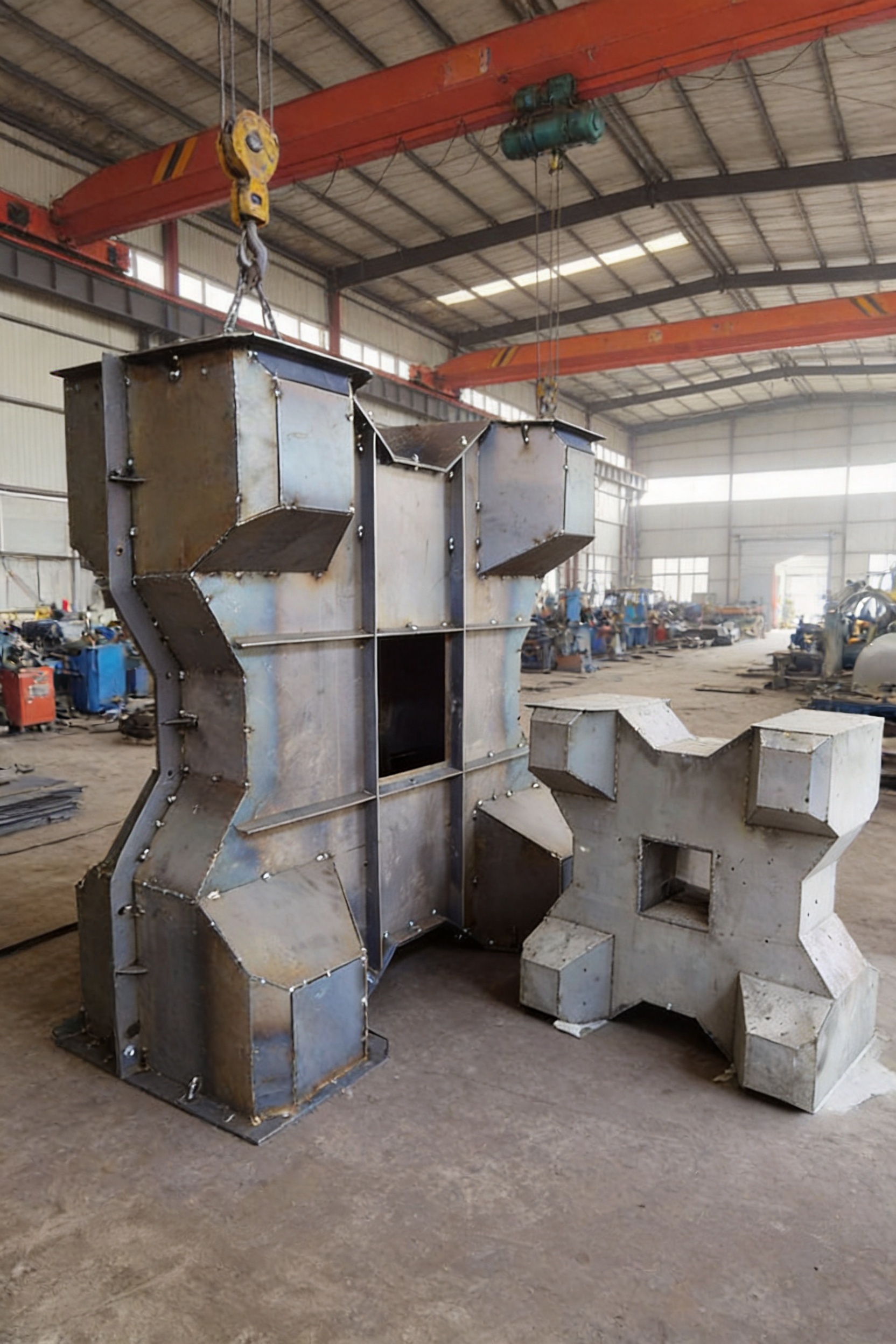
Hollow Square Formwork, also known as Hollow Square Block Mold, is a specialized steel formwork system developed for the efficient casting and rapid demolding of hollow square concrete units. Unlike a basic welded steel box, this formwork is engineered around the actual production requirements of precast coastal protection blocks. Its structure, inner core, draft angles, connection points, reinforcement details, and demolding method are designed as one integrated system.
The most important feature of this formwork is its ability to overcome the demolding bottleneck commonly experienced with traditional molds. Conventional molds may require lengthy manual dismantling, lifting, or forced separation after the concrete has reached sufficient strength. These procedures reduce production capacity, increase labor requirements, create a risk of damaging green concrete, and make it difficult for contractors to maintain a consistent casting cycle. Hollow Square Formwork addresses this problem through carefully calculated draft angles, also known as cone angles, or through mechanically foldable inner-core structures. Once the concrete has solidified adequately, the inner core can contract or fold away from the concrete surface, allowing demolding to be completed within minutes.
This rapid release process creates a more productive manufacturing cycle for precast yards, coastal engineering contractors, and project owners. It also supports more consistent block quality because the concrete is not subjected to excessive prying, impact, or uncontrolled extraction forces. The result is a formwork solution that combines production efficiency, dimensional accuracy, structural strength, ease of operation, and long service life.
1. The Role of Hollow Concrete Blocks in Coastal Engineering
Breakwaters, seawalls, revetments, artificial reefs, and bank protection structures are exposed to some of the most demanding conditions in civil engineering. Waves repeatedly apply dynamic impact loads, while tides and currents cause erosion, scour, and displacement of surface materials. Saltwater, moisture, temperature variation, and marine organisms can further accelerate deterioration. Concrete armor blocks used in these applications must therefore be produced with consistent geometry and sufficient density, strength, and durability.
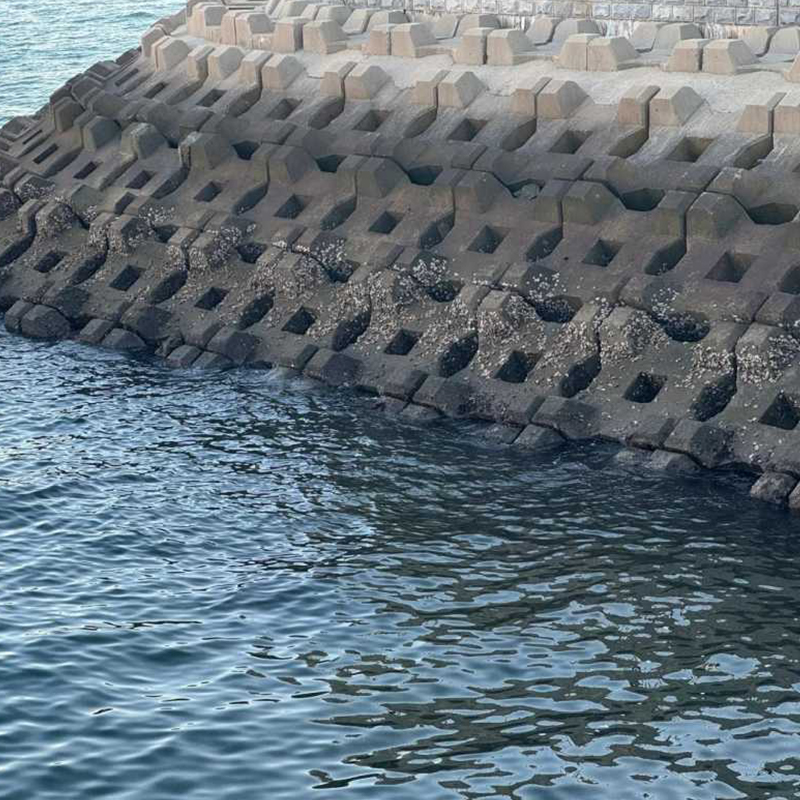
Hollow square blocks are particularly useful because their shape can support several functions at the same time. The external geometry can interlock with neighboring blocks, helping form a stable protective layer. The hollow internal space reduces the amount of concrete required in comparison with a fully solid unit of similar external dimensions. Open spaces also allow water to pass through or around the block, reducing the concentration of wave energy and lowering reflected wave forces.
In ecological applications, the internal void can provide sheltered spaces for marine organisms. When installed below or near the waterline, the blocks may support the formation of small habitats for fish, shellfish, algae, and other aquatic life. This makes hollow square blocks suitable not only for conventional coastal defense, but also for projects that combine infrastructure protection with ecological restoration.
The performance of the finished block is directly influenced by mold accuracy. If the internal opening is uneven, the wall thickness varies, or the external dimensions are inconsistent, the blocks may not interconnect correctly in the field. Irregularities can create weak points, reduce stacking stability, and make installation more difficult. For this reason, the formwork must be manufactured with precision rather than treated as a simple temporary container.
2. Why Conventional Molds Create Production Problems
Traditional concrete block molds are often fabricated by welding steel plates into a fixed box. This approach may appear economical during the initial fabrication stage, but it frequently creates difficulties during actual production. A fixed inner core can become locked into the concrete as the concrete hardens. Workers may need to use jacks, wedges, cranes, or manual impact tools to separate the mold from the cast unit.
Such demolding methods are slow and inconsistent. The time required for each block may vary according to concrete strength, weather, vibration quality, surface friction, and worker experience. If the mold is removed too early, the block may chip, deform, or lose part of its edge. If the mold remains in place for too long, the production area becomes occupied and the number of blocks that can be manufactured in a day is reduced.
Forced demolding can also damage the mold itself. Repeated prying may bend plates, distort corners, loosen welds, or change the dimensions of the inner core. Once the mold becomes distorted, every subsequent block may show increasing dimensional deviation. This creates a cycle in which declining mold accuracy leads to more difficult demolding and greater damage to both the mold and the concrete products.
Another disadvantage is the high labor requirement. Workers must often perform multiple steps, including loosening bolts, removing side panels, lifting the outer shell, extracting the core, cleaning concrete residue, and reassembling the mold. When dozens or hundreds of blocks are required each day, these steps consume considerable time and increase the possibility of unsafe manual handling.
Hollow Square Formwork is designed specifically to eliminate or reduce these limitations. The mold is not merely a welded enclosure. It is a coordinated mechanical system in which the shape of the concrete unit and the method of release are considered from the beginning of the design process.
3. Engineered Demolding Through Draft Angles
A draft angle is a controlled taper applied to a surface so that the formwork can be withdrawn from the hardened or semi-hardened concrete without scraping against it. In Hollow Square Formwork, draft angles are calculated in relation to the dimensions, wall thickness, surface finish, concrete strength development, and intended demolding time of the block.
The draft angle must be large enough to permit smooth separation, but not so large that it changes the functional geometry of the block. This requires careful engineering rather than an arbitrary taper. The design team considers the direction of extraction, the friction generated between steel and concrete, the possibility of minor concrete shrinkage, and the required dimensional tolerance of the finished unit.
When the mold is opened or lifted, the tapered inner core moves away from the concrete surface progressively. Instead of remaining mechanically locked inside the hollow section, the core releases with significantly lower resistance. This can reduce the need for manual force and make the process more predictable. In suitable production conditions, the inner core can be removed within minutes after the concrete has reached the required handling condition.
Draft-angle demolding is especially valuable for large blocks. As the size of the mold increases, the contact area between the concrete and the inner core also increases. A small design error can therefore create substantial extraction resistance. Properly designed taper geometry distributes the release movement across the inner surfaces and helps prevent local sticking or chipping.
The draft-angle method also reduces wear on the formwork. Because the mold is released through controlled movement rather than repeated impact, steel edges remain straighter and welds experience less stress. This supports a longer service life and helps preserve dimensional accuracy over many production cycles.
4. Mechanically Foldable Inner-Core Technology
Some hollow square block designs require an internal geometry or dimensional relationship that cannot be served effectively by a simple fixed taper. For these applications, a mechanically foldable inner core can provide a more flexible demolding solution. The core is divided into coordinated sections that can retract, fold, or contract inward after the concrete has set sufficiently.
The foldable core may use hinged panels, mechanical linkages, actuating rods, locking components, or other controlled movement systems. The exact configuration depends on the block size, the opening shape, the desired demolding direction, and the production environment. The objective remains the same: create clearance between the mold and the concrete before the core is withdrawn.
A foldable inner core can be especially useful where the hollow opening is deep, the wall surfaces are nearly vertical, or the block geometry includes features that would otherwise trap a rigid core. By reducing the cross-section of the inner assembly, the mold can be removed without damaging the internal corners of the concrete block.
Mechanical folding also improves operational control. Workers can follow a defined sequence rather than relying on improvised tools. A properly designed system includes secure locking positions for casting and controlled release positions for demolding. This improves repeatability and helps protect operators from sudden movement or uncontrolled lifting.
For large-scale production, the foldable core can reduce the time that workers spend inside or around the mold. It can also make the mold easier to clean because surfaces are more accessible after the core has been contracted. When combined with lifting points and suitable handling equipment, the system supports a streamlined cycle from assembly and casting to demolding and preparation for the next unit.
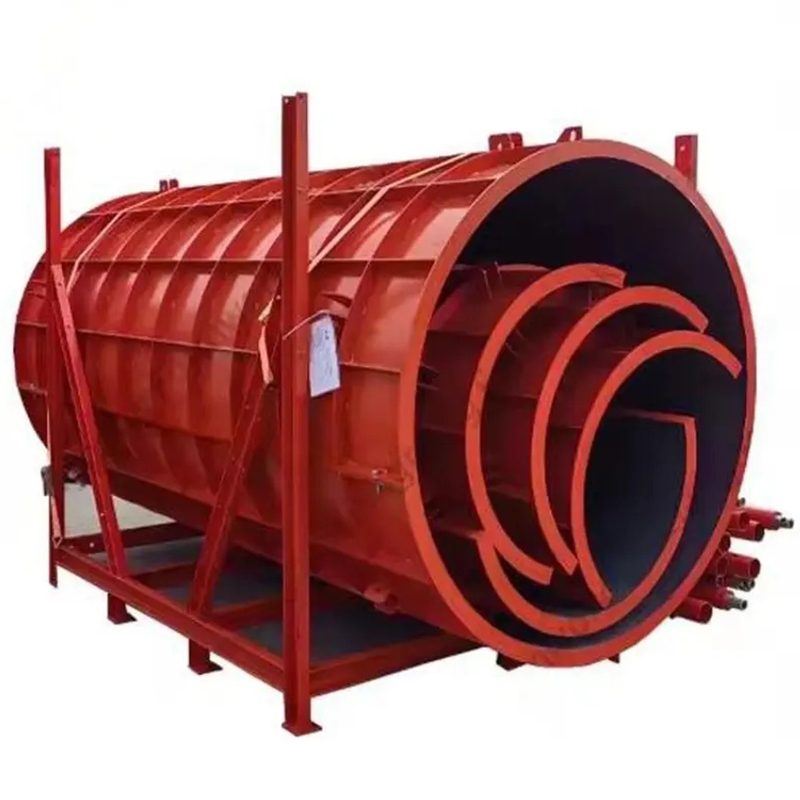
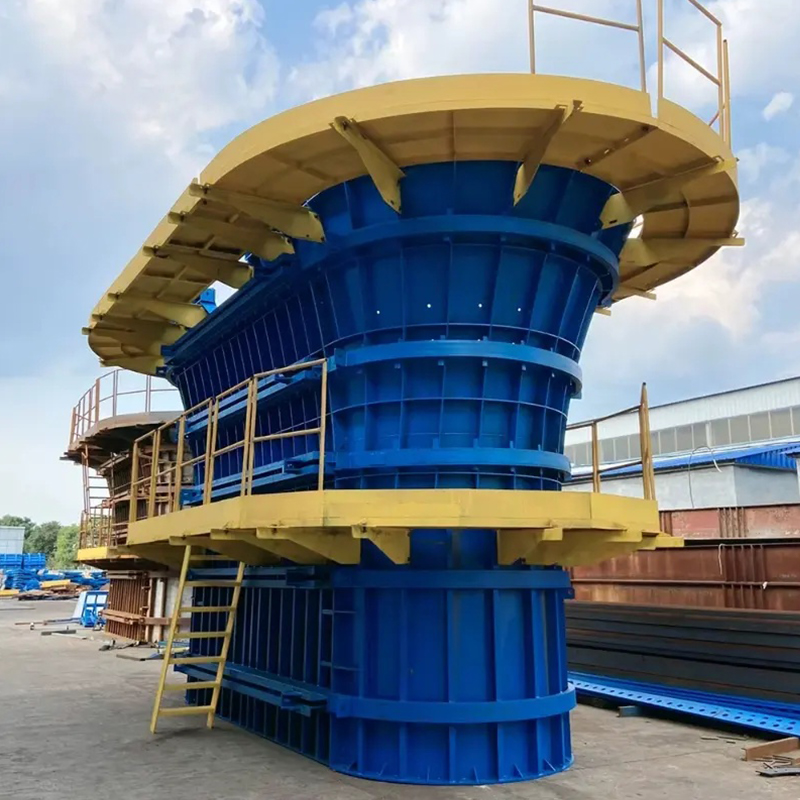
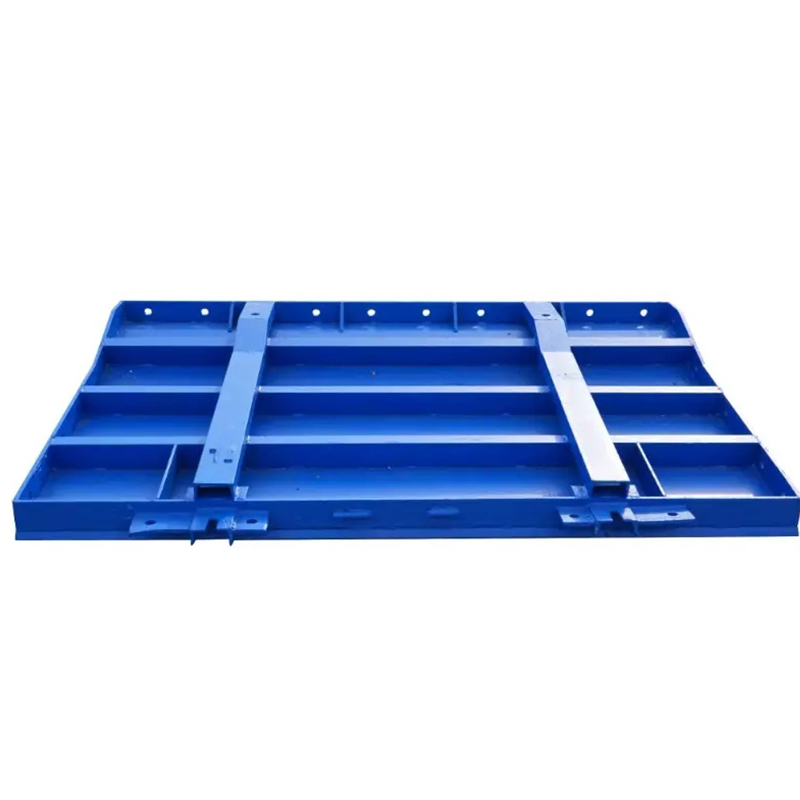
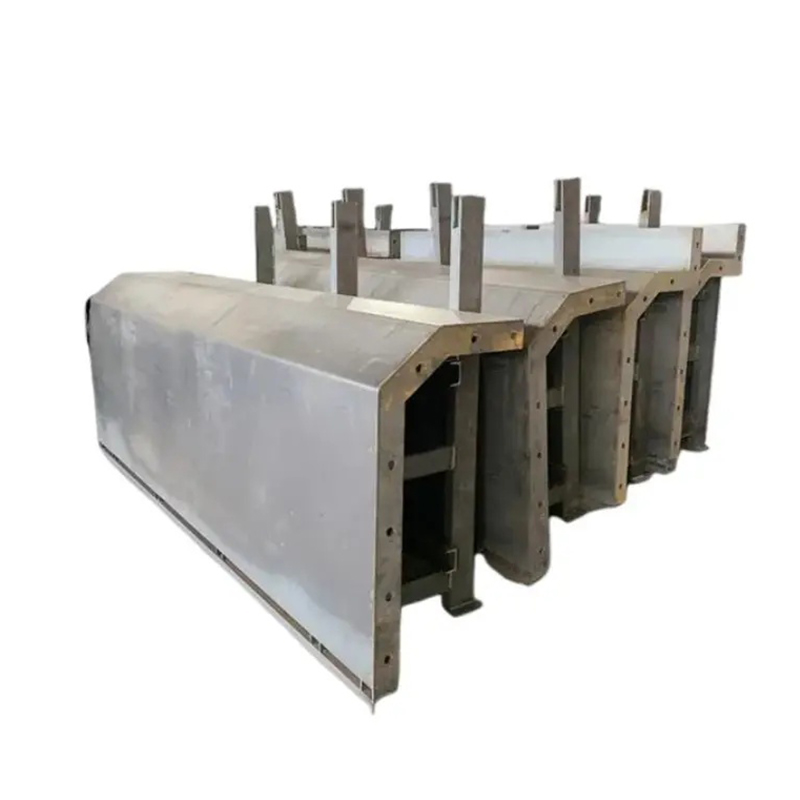
Hollow Square Fomwork/Mold
5. Precision Manufacturing Instead of Simple Steel Box Fabrication
The quality of a concrete mold is determined by more than the thickness of its steel plates. Structural stability, dimensional accuracy, surface condition, weld integrity, connection design, and assembly repeatability all influence the quality of the finished block. Hollow Square Formwork is manufactured through a controlled fabrication process intended to maintain these characteristics throughout the working life of the product.
The manufacturing process begins with technical review and design confirmation. Engineers analyze the required block dimensions, hollow opening, wall thickness, demolding direction, estimated concrete pressure, lifting method, casting cycle, and expected number of uses. They also review the site conditions in which the mold will operate. A mold used in a large precast factory may require a different handling configuration from a mold intended for on-site production near a seawall.
After the design is confirmed, steel plates and structural sections are prepared using controlled cutting equipment. CNC laser cutting can produce accurate profiles for side panels, core components, stiffeners, brackets, base plates, and connection elements. Accurate cutting reduces the need for excessive grinding or manual adjustment during assembly. It also supports repeatable production when multiple molds are required for the same project.
Laser-cut parts can be marked, checked, and arranged according to the fabrication drawings. This improves traceability and helps prevent the incorrect installation of similar-looking components. For large steel formwork, such process control is important because a small deviation in one panel can affect the alignment of the entire mold.
Where required, steel plates are formed through controlled bending. Bending equipment helps create consistent angles and smooth transitions, reducing the number of unnecessary welded joints. A formed panel can provide better dimensional stability than several smaller plates joined together. It may also reduce potential leakage paths during concrete casting.
Welding is performed according to qualified procedures. AWS and EN welding practices can be applied according to project requirements, material specifications, and the applicable quality plan. Welders must control heat input, joint preparation, welding sequence, and distortion. Critical areas such as lifting points, hinges, core supports, locking devices, and high-load connections require particular attention.
After welding, the assemblies are inspected for dimensional accuracy, straightness, squareness, weld continuity, and mechanical movement. Moving components are checked through repeated opening and closing operations. Locking systems are verified to ensure that the core remains stable during concrete placement and vibration. Contact surfaces are examined for burrs, sharp projections, or irregularities that could interfere with demolding.
6. Steel Selection and Structural Durability
Marine and coastal construction places demanding requirements on formwork materials. Although the mold itself is usually removed after the concrete reaches the required condition, it may be exposed to wet concrete, salt-laden air, rain, mud, abrasion, and repeated handling. The steel must therefore provide adequate strength and durability for the intended number of casting cycles.
Material selection depends on mold size, loading conditions, panel thickness, support spacing, lifting arrangement, and the required service life. Structural steel plates and sections are selected to resist deformation under concrete pressure and handling loads. Thicker plates may be used in high-wear areas or where the mold is expected to undergo frequent transportation and assembly.
Stiffeners are arranged to control panel deflection. Without adequate stiffening, large steel surfaces may bulge under fresh concrete pressure. Even a small deflection can alter the shape of the block and make demolding more difficult. Properly spaced ribs, frames, channels, or box sections help maintain the designed profile while keeping the mold weight within a practical range.
Connection details are also important. Bolted connections allow selected components to be removed for maintenance or replacement. Hinges and mechanical joints must be designed to support repeated movement without excessive looseness. Lifting lugs and handling points should transfer loads into the main frame rather than into thin skin plates alone.
Surface treatment can be selected according to the project environment. Cleaning, preparation, protective coating, and suitable finishing systems help reduce corrosion during storage and use. Where the mold will be used in a highly humid or salt-exposed area, the coating system should be chosen with attention to surface preparation, coating thickness, curing conditions, and expected maintenance.
Durability is not only a material issue. A mold that demolds efficiently experiences less impact, prying, and distortion. The combination of robust steel construction and controlled release technology can therefore extend usable life more effectively than simply increasing plate thickness.
7. Dimensional Accuracy and Concrete Block Quality
Consistent block geometry is essential for breakwater construction. Blocks must fit together in accordance with the installation pattern, maintain designed contact areas, and provide predictable voids for water movement. If the external dimensions vary significantly, the protective layer may become uneven. If the hollow opening is not centered or the wall thickness changes, the structural behavior may differ from the engineering design.
Precision formwork supports dimensional consistency by controlling the position of every major surface. The outer panels define the external profile, while the inner core controls the opening. Internal braces and connection points maintain alignment during concrete placement. The mold must remain stable while concrete is discharged, vibrated, and finished.
Accurate molds also help reduce concrete waste. If the mold volume is consistent, the quantity of concrete required per block becomes easier to estimate. This improves batching efficiency and makes it easier to compare production records. Consistent volume is particularly valuable on large projects where small differences multiplied across thousands of blocks can create substantial material variation.
Concrete surface quality is also influenced by the condition of the mold. Smooth, properly prepared steel surfaces can reduce surface defects and make cleaning easier. Sharp discontinuities, uneven welds, or accumulated concrete residue may leave unwanted marks or create stress concentrations in the block. Regular inspection and maintenance of the mold surface help preserve a consistent finish.
Dimensional inspection may include measurements of block length, width, height, opening size, wall thickness, corner alignment, and flatness. Inspection procedures should be agreed upon before production begins. When the mold is manufactured under a documented quality system, measurement results can be recorded and compared throughout the production period.
8. Efficient Production Cycles and Lower Labor Requirements
In a coastal protection project, the number of required blocks can be very large. The production rate of the formwork directly affects the project schedule. A mold that remains occupied for an extended period limits the number of casting cycles, while a mold designed for rapid release can support higher daily output.
The cycle begins with cleaning and preparation. Concrete residue is removed from the previous casting, release agent is applied if specified, and the inner core and outer panels are positioned. The locking system is checked before concrete placement. Once the mold is ready, concrete is poured in controlled layers and compacted using the selected vibration method.
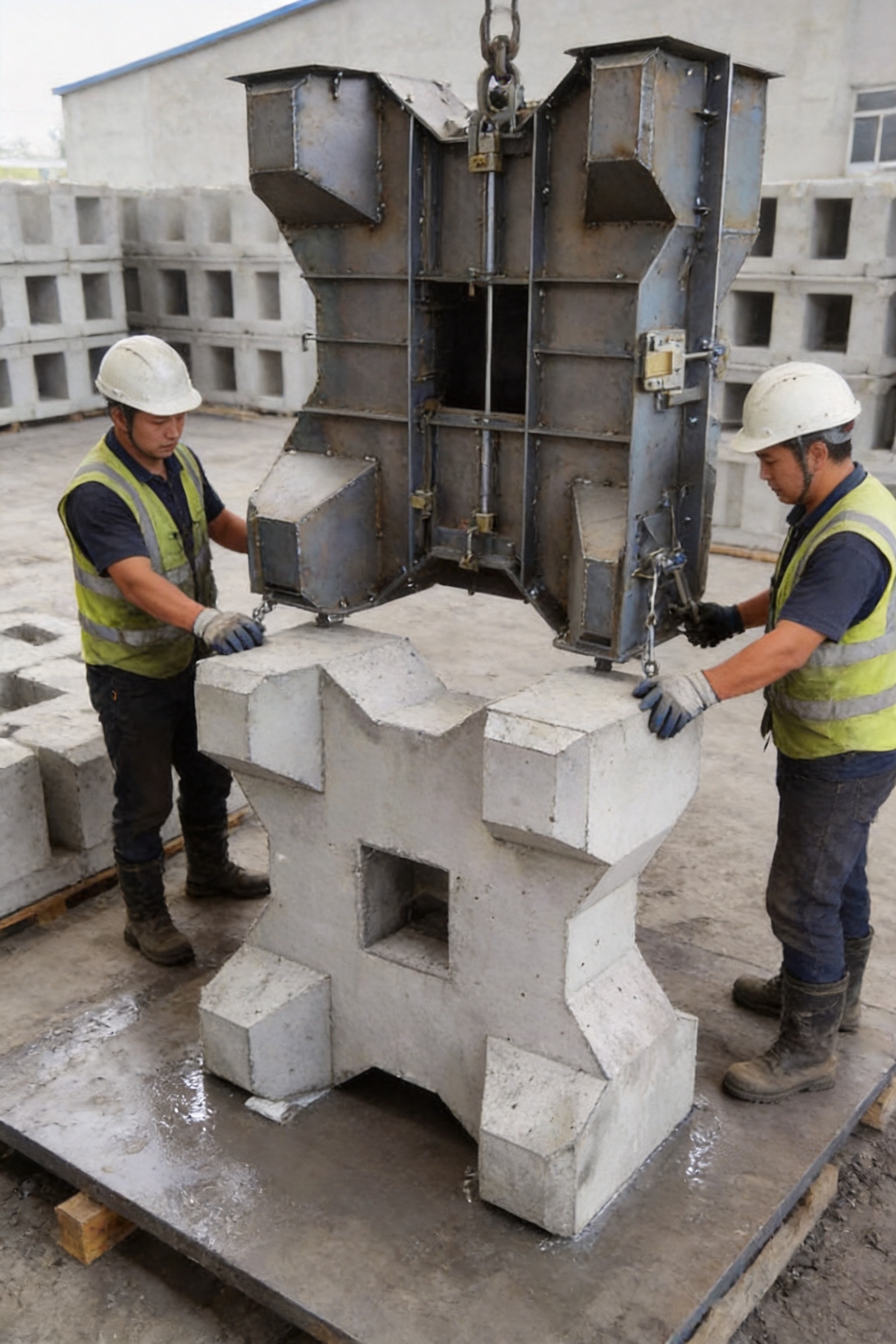
After the concrete reaches the required demolding condition, the release sequence begins. With a draft-angle core, the core is lifted or withdrawn along the designed path. With a foldable core, the locking devices are released and the internal panels are contracted before extraction. Because the movement is engineered, workers do not need to rely on improvised wedges or excessive impact.
Once the block is removed, the mold can be cleaned and prepared for the next cycle. The time saved during demolding can be used to increase production output, reduce the number of molds required, or provide more schedule flexibility. The economic benefit depends on the project scale, labor costs, concrete supply, and equipment availability, but the operational advantage is clear.
Reduced labor requirements also improve safety. Workers perform fewer strenuous tasks and have less need to stand near suspended loads or use hand tools in confined spaces. A defined operating procedure makes it easier to train new personnel and maintain consistent practices across shifts.
For precast yards, this efficiency can support continuous production lines. For remote coastal sites, it can reduce the number of workers and lifting operations required near the construction area. In both cases, the formwork contributes to improved resource management.
9. Manufacturing Strengths of an Integrated Steel Fabrication Supplier
Nantong Hyson Road And Bridge Formwork Co., Ltd. provides custom steel formwork, heavy-duty steel structures, ringlock scaffolding, steel props, and OEM metal fabrication. The company operates from a professional manufacturing facility with a production area of approximately 20,000 square meters. This industrial capacity supports the fabrication of large, non-standard molds and structural assemblies that cannot be efficiently produced through small workshop methods.
The company’s manufacturing approach combines automated processing with experienced steel fabrication. Advanced laser cutting equipment is used for precise plate preparation, while bending and welding processes are coordinated with the engineering drawings. This allows the manufacturer to control the complete production chain rather than outsourcing critical components to multiple suppliers.
Integrated production can improve quality consistency in several ways. First, design changes can be communicated directly between engineering and the workshop. Second, material preparation, welding, assembly, and inspection can be organized under one quality plan. Third, the manufacturer can maintain greater control over delivery schedules and component compatibility.
Hyson applies certified AWS and EN welding craftsmanship according to project requirements. Welding quality is particularly important in formwork because the mold may experience repeated loading, lifting, vibration, and mechanical movement. A weld that appears acceptable visually may still require process control and inspection to ensure long-term reliability in critical joints.
The company also maintains a quality management approach aligned with ISO 9001 principles. Such a system supports documented procedures for purchasing, production, inspection, nonconformance control, and delivery. For international customers, documented manufacturing processes provide greater confidence that the supplied mold will match the approved drawings and technical specifications.
With experience supporting major infrastructure contractors and central state-owned construction enterprises, Hyson applies high manufacturing standards developed through bridge, power, and large civil engineering projects. Experience in demanding projects helps the company understand the importance of tolerances, lifting safety, structural reliability, documentation, and delivery coordination.
The company’s portfolio includes infrastructure formwork, hydraulic tunnel trolleys, certified scaffolding, industrial steel structures, and heavy metal fabrication. This broad capability is valuable for customers who require more than a single mold. A coastal protection project may also require access platforms, lifting frames, temporary supports, steel walkways, reinforcement fixtures, or other fabricated components. A supplier with wider steel-processing capacity can coordinate these requirements more efficiently.
10. Comparison with Basic Competitor Molds
The main difference between Hollow Square Formwork and a basic competitor mold is the level of engineering applied to demolding and repeated production. A simple mold may be adequate for a limited number of castings, but it can become inefficient when used for a large project with strict schedule and quality requirements.
| Evaluation Item | Basic Welded Box Mold | Hollow Square Formwork |
|---|---|---|
| Design approach | Primarily treated as a steel container | Designed as an integrated casting and demolding system |
| Inner core | Usually fixed and rigid | Draft-angle or mechanically foldable inner core |
| Demolding method | Manual prying, impact, or extensive dismantling | Controlled withdrawal or core contraction |
| Production cycle | Long and variable | Shorter and more predictable |
| Risk of concrete damage | Higher when forced extraction is required | Lower due to reduced release resistance |
| Dimensional consistency | May decline as the mold deforms | Supported by precision fabrication and stiffened structure |
| Labor requirement | High, especially during dismantling | Reduced through simple operating procedures |
| Maintenance | Frequent repair may be needed after forced demolding | Controlled movement helps reduce wear |
| Project suitability | Small-scale or low-cycle applications | Mass production and demanding infrastructure projects |
The comparison does not mean that every basic mold is unsuitable. A simple fixed mold may be sufficient where production volume is low, block geometry is uncomplicated, and schedule pressure is limited. However, large breakwater projects usually require repeated, reliable, and rapid casting. In these conditions, the additional engineering in Hollow Square Formwork can produce significant advantages over the life of the project.
The economic evaluation should include more than the purchase price. Contractors should consider labor hours, crane utilization, mold occupancy, concrete damage, repair frequency, production delays, and the number of replacement molds required. A lower-cost mold may become more expensive if it slows the production cycle or causes repeated damage to finished blocks.
11. Applications in Breakwaters and Seawalls
Breakwaters are constructed to reduce wave energy before it reaches a harbor, shoreline, port facility, or coastal development. Hollow square blocks can be used as armor or secondary protective units depending on the project design. Their external surfaces interact with incoming waves, while the spaces between blocks create a more permeable protective layer.
The hollow structure can help absorb and disperse wave action. Instead of reflecting all wave energy from a continuous solid surface, the interconnected openings and irregular block arrangement can encourage turbulence and energy dissipation. The final performance depends on block geometry, placement pattern, slope, foundation conditions, wave climate, and the overall breakwater design.
For seawalls and revetments, hollow blocks may be installed along inclined or vertical surfaces. Their weight and interlocking behavior help resist displacement, while the voids can reduce hydrostatic pressure and provide drainage paths where the design permits. Proper bedding, anchoring, and installation procedures remain essential.
The formwork supports these applications by producing repeatable units. When blocks have consistent dimensions, contractors can plan transport, lifting, placement, and inventory more accurately. Consistency also allows engineers to verify that the installed layer reflects the assumptions used in the design calculations.
In tidal environments, the production location may be close to the coast. A robust mold that can be handled by available cranes and cleaned under site conditions is therefore beneficial. Custom lifting points, removable panels, and practical working clearances can be included during design review.
12. Applications in Artificial Reefs and Ecological Restoration
Coastal engineering increasingly combines protective infrastructure with environmental objectives. Artificial reefs and habitat restoration projects seek to create stable underwater structures that encourage marine life while also modifying wave and current behavior. Hollow square concrete blocks can contribute to these goals because their internal cavities provide sheltered spaces and their external surfaces become available for biological colonization.
The size and arrangement of the hollow opening influence the type of habitat created. Smaller cavities may provide refuge for juvenile organisms, while larger voids may accommodate fish or other aquatic species. The final ecological suitability depends on water depth, salinity, current velocity, seabed conditions, concrete composition, surface texture, and local environmental requirements.
Formwork precision is important in these projects because the opening must remain clear and structurally sound. Poorly designed cores may create thin sections that crack during handling or produce irregular voids that do not match the ecological design. Hollow Square Formwork can be customized to the required internal dimensions and wall thickness.
The formwork itself does not determine the environmental performance of the completed reef. Instead, it provides the manufacturing accuracy necessary to produce the designed units consistently. Environmental approvals, placement plans, concrete specifications, and monitoring programs must be developed separately by the project owner and qualified engineering or ecological professionals.
When ecological restoration is combined with coastal protection, production efficiency becomes especially valuable. A project may require many units distributed across a large area. Rapid demolding helps the contractor manufacture enough blocks within the available weather and marine construction windows.
13. Applications in Bank Protection and River Engineering
Hollow square blocks can also be used along riverbanks, canals, estuaries, and lake shorelines. Bank erosion is often caused by flowing water, vessel wake, flood events, rainfall runoff, and changes in water level. A properly designed block layer can protect the soil surface and reduce the rate of scour.
In river applications, the installation method must account for flow direction, foundation preparation, toe protection, possible settlement, and access for construction equipment. Blocks may be placed on a prepared bedding layer or integrated with other stabilization measures. Their hollow spaces may assist drainage and reduce the pressure created by water trapped behind an impermeable facing.
The ability to customize block dimensions is useful for different bank slopes and flow conditions. A smaller unit may be suitable for a limited-access channel, while larger blocks may be required for high-flow sections. The formwork can be designed around the project-specific geometry and lifting capacity.
Because river and bank protection projects may be performed in changing water conditions, production schedules can be tight. A formwork system that supports quick and repeatable casting can help contractors prepare blocks in advance before installation begins. This reduces the risk that construction equipment will remain idle while waiting for additional units.
14. Customization Options for Project Requirements
Hollow Square Formwork is not limited to one universal size. The mold can be customized according to the required external dimensions, internal opening, wall thickness, draft angle, demolding direction, lifting method, and production cycle. Customization should begin with a detailed technical data sheet and approved drawings.
Important design inputs include the target block weight, concrete grade, reinforcement requirements if any, casting orientation, vibration method, curing arrangement, handling equipment, and the number of expected mold uses. The customer should also identify whether the molds will be used in a fixed factory, a temporary site yard, or a mobile production area.
For projects using multiple molds, interchangeable components may be considered. Standardized outer frames combined with replaceable cores can offer flexibility when different hollow sizes are required. However, interchangeable systems must be designed carefully so that changes do not compromise alignment or create excessive assembly time.
Lifting arrangements can also be adapted. The mold may require forklift pockets, crane lugs, lifting beams, or detachable handling frames. The selected arrangement should be compatible with the available equipment and should keep the mold stable during movement. Lifting points must be designed and inspected as structural components rather than added as informal attachments.
Operating access is another customization consideration. Handrails, platforms, steps, or working brackets may be included where workers need to inspect concrete placement or operate the core mechanism. These features should be arranged to reduce trip hazards and keep workers away from suspended loads.
15. Quality Control from Raw Material to Final Assembly
Reliable formwork requires quality control at every stage. Raw materials should be verified against the approved grade and thickness. Steel plates must be inspected for surface defects, excessive rust, lamination, or dimensional variation before cutting. Traceability records can help connect the material certificate with the fabricated component.
Cut parts should be checked against drawings before forming or welding. Critical dimensions include hole positions, panel lengths, bend angles, hinge locations, and core alignment features. Early inspection is more efficient than discovering an error after the entire mold has been assembled.
During welding, fit-up and joint preparation are inspected before the weld is made. Welding parameters, consumables, preheating requirements, and interpass cleaning are controlled according to the applicable procedure. Visual inspection is performed after welding, while additional non-destructive testing may be specified for critical joints.
Assembly inspection verifies that the mold opens, closes, locks, folds, and releases as intended. The inner core must remain aligned during casting and must contract or withdraw smoothly during demolding. Test assembly can reveal interference between panels, insufficient clearance, or difficult operating sequences before the mold is shipped to the customer.
Final inspection may include dimensional measurement, trial operation, surface treatment verification, lifting-point inspection, marking, and packing review. Documentation can include inspection reports, material certificates, welding records, coating information, operating instructions, and maintenance recommendations.
This full-process approach distinguishes industrial formwork manufacturing from informal steel fabrication. It provides customers with greater confidence that the mold will perform consistently when it reaches the project site.
16. Site Operation and Recommended Working Procedure
Before the first casting cycle, the operator should inspect the mold for transport damage, loose fasteners, coating damage, and distortion. The mold should be placed on a level and sufficiently strong working surface. If the ground is uneven, the frame may twist, preventing the core and outer panels from aligning correctly.
The mold should be cleaned thoroughly. Hardened concrete residue on the inner core or panel edges can interfere with closure and alter the dimensions of the finished block. A suitable release agent may be applied according to the concrete and formwork requirements. Excess release agent should be avoided because it can affect the concrete surface or accumulate in corners.
After assembly, all locks, bolts, hinges, and operating mechanisms should be checked. The inner core must be fully expanded or positioned in its casting configuration. Any removable seals or closure strips should be installed correctly. The operator should confirm that the mold has reached the approved dimensions before concrete is introduced.
Concrete should be placed in a controlled manner to avoid sudden unbalanced pressure. If vibration is used, the operator should follow the approved sequence and avoid excessive contact between the vibrator and the steel panels. Unbalanced filling or uncontrolled vibration can move the core or overload one side of the mold.
Demolding should not begin until the concrete has reached the required condition for handling. The appropriate time depends on the concrete mix, temperature, curing method, block geometry, and project specifications. The mold supplier’s mechanical release sequence should be followed. Workers should not strike the mold or force the core if resistance is higher than expected. Excessive resistance may indicate insufficient draft clearance, concrete adhesion, incorrect locking, or residue on the mold surfaces.
After the block is removed, the operator should inspect the concrete edges and hollow opening. The mold should then be cleaned, checked for damage, and prepared for the next cycle. Regular inspection is more effective than waiting until a defect becomes serious.
17. Maintenance and Service Life Management
Routine maintenance protects both the mold and the finished concrete products. Concrete residue should be removed before it hardens fully. Scrapers or cleaning tools should be selected to avoid gouging the steel surface. Hinges, sliding elements, and mechanical linkages should be lubricated according to the operating environment and manufacturer recommendations.
Bolted connections should be checked for looseness, particularly after the first several casting cycles and after transportation. Welded areas near lifting points, hinges, and stiffeners should be inspected for cracks or deformation. If a panel is bent, it should be repaired before the mold is returned to production.
Protective coatings should be maintained where abrasion or corrosion has exposed the steel. Coastal storage areas require particular care because salt-laden air can accelerate corrosion. The mold should be stored on a stable surface, protected from standing water, and positioned so that rainwater does not collect inside the core or frame.
Maintenance records can help determine when components should be replaced. A record may include the number of casting cycles, repairs performed, coating touch-ups, core adjustments, and inspection findings. For large projects, this information supports production planning and helps prevent unexpected downtime.
Service life depends on design, steel quality, operating procedures, concrete characteristics, cleaning practices, and handling conditions. A precision mold can provide many repeated uses when it is operated and maintained correctly.
18. Project Planning and Total Cost Considerations
When selecting formwork, the customer should evaluate the complete production system rather than focusing only on the initial purchase price. Important factors include the required number of blocks, project duration, available labor, crane capacity, concrete supply, yard area, transportation distance, and required demolding time.
A faster mold may reduce the number of molds required to achieve the target output. Alternatively, the same number of molds may produce more units per shift. The best option depends on whether the project constraint is formwork availability, concrete production, labor, lifting equipment, or curing space.
Reduced damage to green concrete can also create savings. Blocks that chip or deform during demolding may require repair, downgrading, or disposal. A controlled inner-core release helps lower this risk and improves the percentage of accepted units.
Labor savings should be calculated over the complete project. Workers may spend less time dismantling panels, using impact tools, cleaning damaged surfaces, or correcting misaligned cores. Improved safety can also reduce indirect costs associated with training, supervision, and work interruptions.
Transportation and installation costs should be considered as well. A mold designed for practical lifting and handling may reduce the need for special equipment. A modular structure may simplify shipping, while a fully assembled unit may reduce site assembly time. These decisions should be made during the quotation and engineering stage.
19. Why Choose an Experienced OEM Manufacturing Partner
Custom formwork is closely connected to the engineering requirements of the finished concrete product. An experienced OEM manufacturer can review the customer’s drawings, identify potential demolding problems, recommend suitable steel configurations, and coordinate fabrication with the intended production method.
An OEM partner should be capable of translating a concept into production drawings, cutting lists, welding details, assembly procedures, and inspection documents. It should also be able to manage design changes without losing control of component compatibility. This is particularly important when the project involves multiple mold sizes or special internal-core mechanisms.
Nantong Hyson Road And Bridge Formwork Co., Ltd. combines formwork expertise with heavy steel fabrication capacity. Its experience in bridge and infrastructure projects supports an understanding of large-scale construction schedules, lifting requirements, structural safety, and quality documentation. Its product range covers custom bridge formwork, hydraulic tunnel equipment, scaffolding, steel props, industrial structures, and heavy metal components.
The company’s laser cutting, bending, welding, assembly, and inspection capabilities allow it to provide integrated manufacturing services. For global customers, this can simplify procurement because one supplier can support a wider portion of the steel fabrication scope.
Customers can discuss dimensions, production volume, concrete type, mold mechanism, surface treatment, packing, inspection, and delivery requirements with the manufacturer before production begins. This technical communication helps ensure that the final mold is suitable for the actual project rather than being a generic product adapted after delivery.
20. Frequently Asked Questions
What is Hollow Square Formwork?
Hollow Square Formwork is a specialized steel mold used to cast hollow square concrete blocks. It includes an outer form and an engineered inner core that creates the hollow opening. The core is designed with draft angles or a mechanical folding mechanism to support rapid demolding.
How is it different from a standard steel box mold?
A standard steel box mold is often a fixed welded container with limited consideration for release. Hollow Square Formwork is designed as a complete production system. Its inner core, clearances, locking components, stiffeners, lifting points, and demolding sequence are engineered together.
How quickly can the block be demolded?
Demolding can be completed within minutes under suitable production conditions, but the exact timing depends on concrete strength development, mix design, temperature, curing method, block size, and project requirements. Operators must follow the approved concrete and mold procedures.
Does the mold use a draft angle or a foldable core?
The appropriate method depends on the block geometry and project requirements. Some designs use a calculated draft angle or cone angle. Others use a mechanically foldable inner core. A customized mold may also combine different release features to achieve the required clearance.
Can the mold dimensions be customized?
Yes. External block dimensions, internal opening size, wall thickness, draft angle, core structure, lifting points, panel thickness, stiffeners, and operating arrangements can be customized according to approved project drawings.
What projects use hollow square concrete blocks?
Typical applications include breakwaters, seawalls, coastal revetments, artificial reefs, marine ecological restoration, riverbank protection, lakebank stabilization, canals, and other erosion-control projects.
Can the mold be used for mass production?
Yes. Its rapid demolding method and repeatable dimensions make it suitable for precast yards and large construction projects requiring many concrete units. The number of molds and production cycle should be planned according to the target daily output.
How does the mold reduce labor requirements?
The inner core releases through controlled withdrawal or contraction, reducing the need for manual prying, hammering, and extensive dismantling. This makes the demolding process simpler and helps workers complete more cycles with less physical effort.
What quality standards can be applied during fabrication?
Manufacturing can be organized under ISO 9001 quality management principles, with AWS and EN welding practices applied according to project requirements. Material inspection, dimensional checks, weld inspection, assembly testing, and final documentation can be included in the quality plan.
Can the formwork be manufactured for on-site production?
Yes. The design can be adapted for site conditions, including available cranes, forklifts, working space, transport limitations, and local assembly requirements. Site-use molds should be reviewed carefully for safe handling and stable positioning.
What information is required for a quotation?
Useful information includes block drawings, external and internal dimensions, wall thickness, estimated block weight, concrete grade, required quantity, production schedule, demolding method, lifting equipment, surface treatment, delivery destination, and inspection requirements.
How should the mold be maintained?
The mold should be cleaned after each cycle, moving parts should be lubricated, bolts and locks should be checked, and steel surfaces should be inspected for deformation or corrosion. Coatings should be repaired when damaged, and the mold should be stored on a stable, dry surface.
21. Conclusion
Hollow Square Formwork provides a practical and technically advanced solution for producing hollow concrete blocks used in breakwaters, seawalls, artificial reefs, bank protection, and ecological restoration projects. Its central advantage is the engineered demolding system. By using calculated draft angles or a mechanically foldable inner core, the mold reduces the time, labor, and mechanical force traditionally required to remove a fixed mold from a hardened concrete unit.
The formwork also improves production consistency. Precision-cut steel components, controlled bending, qualified welding, structural stiffening, accurate assembly, and complete inspection help maintain the designed block dimensions through repeated casting cycles. This supports stable installation patterns, predictable material consumption, improved concrete quality, and lower risk of production delays.
Compared with a basic welded box mold, the system offers stronger performance in high-volume and schedule-sensitive projects. Its benefits extend beyond demolding speed to include reduced labor, lower risk of block damage, improved worker safety, easier maintenance, and longer mold service life.
Nantong Hyson Road And Bridge Formwork Co., Ltd. supports this product with large-scale steel fabrication capacity, laser cutting, bending, AWS and EN welding practices, ISO 9001-based quality control, and experience in major infrastructure manufacturing. Its ability to provide custom formwork and related heavy steel components makes it a suitable OEM partner for customers requiring reliable, project-specific solutions.
For contractors and project owners planning coastal protection or ecological concrete block production, the most important selection criteria are not simply steel thickness or purchase price. The formwork should be evaluated as part of the complete production process. A well-engineered mold can improve output, protect concrete quality, reduce labor, and contribute to the timely completion of demanding marine and civil engineering projects.
References
1. American Welding Society. Structural Welding Code—Steel, welding procedure and fabrication quality principles.
2. European Committee for Standardization. European requirements and practices for steel fabrication and welded structural components.
3. ISO 9001. Quality Management Systems—Requirements.
4. U.S. Army Corps of Engineers. Coastal Engineering Manual, principles of coastal structures and wave protection.
5. International Navigation Association. Guidelines for the design and construction of coastal and harbor protection works.
6. Neville, A. M. Properties of Concrete, concrete behavior, durability, and production considerations.
7. Mehta, P. K., and Monteiro, P. J. M. Concrete: Microstructure, Properties, and Materials.
8. Standard engineering practice for precast concrete production, formwork design, concrete placement, curing, lifting, and dimensional inspection.
Product: Hollow Square Fomwork/Mold



- Location
- Group 3, Fangzhuang Village, Rucheng Subdistrict, Rugao City, Nantong, Jiangsu, China
- Follow us
- Phone
- +86-13646196162
- info@hysonindustry.com
