 +86-13646196162
 info@hysonindustry.com




 русский
 عربى



Advanced Tetrapod Formwork for Durable and Ecologically Compatible Coastal Protection
 2026.11.04
Content
- 1 1. What Is Tetrapod Formwork?
- 2 2. Why Tetrapod Geometry Matters in Coastal Engineering
- 3 3. Main Advantages of Professional Tetrapod Molds
- 4 4. Comparison with Conventional Concrete Block Molds
- 5 5. Advanced Manufacturing Process
- 5.1 5.1 Engineering Review and Mold Design
- 5.2 5.2 Steel Material Selection
- 5.3 5.3 CNC and Laser Plate Cutting
- 5.4 5.4 Forming and Component Preparation
- 5.5 5.5 Fixture-Based Assembly
- 5.6 5.6 Robotic and Certified Welding
- 5.7 5.7 Grinding and Internal Surface Finishing
- 5.8 5.8 Trial Assembly and Dimensional Inspection
- 5.9 5.9 Surface Protection and Packaging
- 6 6. Manufacturing Strengths of an Experienced OEM Supplier
- 7 7. Applications of Tetrapod Formwork
- 8 8. Concrete Production and Mold Operation
- 9 9. Inspection and Quality-Control Checklist
- 10 10. Maintenance and Service-Life Management
- 11 11. Purchasing and Customization Considerations
- 12 12. Why Integrated Heavy Steel Fabrication Matters
- 13 13. Safety Considerations
- 14 14. Project Planning Recommendations
- 15 15. Frequently Asked Questions
- 15.1 Q1: What is the main purpose of tetrapod formwork?
- 15.2 Q2: How is a tetrapod mold different from a regular block mold?
- 15.3 Q3: Can the mold be customized?
- 15.4 Q4: How many casting cycles can a tetrapod mold achieve?
- 15.5 Q5: What causes concrete leakage from the mold?
- 15.6 Q6: How can demolding be made faster?
- 15.7 Q7: Is tetrapod formwork suitable for typhoon-prone areas?
- 15.8 Q8: Can tetrapods be used for artificial reefs?
- 15.9 Q9: What steel fabrication capabilities are important for this product?
- 15.10 Q10: What information should be provided when requesting a quotation?
- 15.11 Q11: Can the mold be used for leasing or rental projects?
- 15.12 Q12: Does the mold itself determine breakwater performance?
- 16 16. Conclusion
- 17 References
- 18 Product: Tetrapod Formwork/Mold
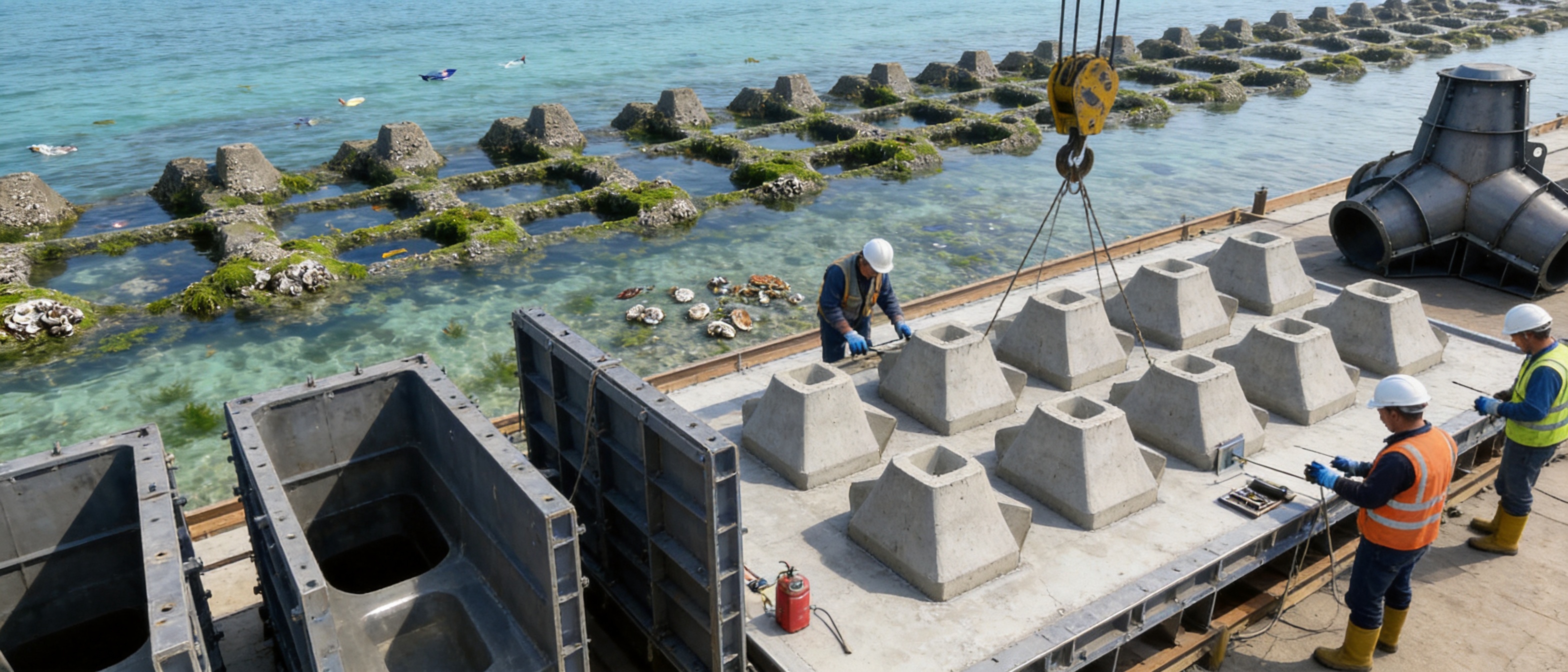
Coastal infrastructure is exposed to some of the most demanding conditions in civil engineering. Continuous wave impact, tidal variation, storm surges, saltwater corrosion, strong currents, and seabed movement can gradually weaken conventional barriers and create serious risks for ports, shorelines, river mouths, reclaimed land, and marine facilities. For contractors and infrastructure owners, the selection of a reliable concrete casting system is therefore just as important as the design of the breakwater itself.
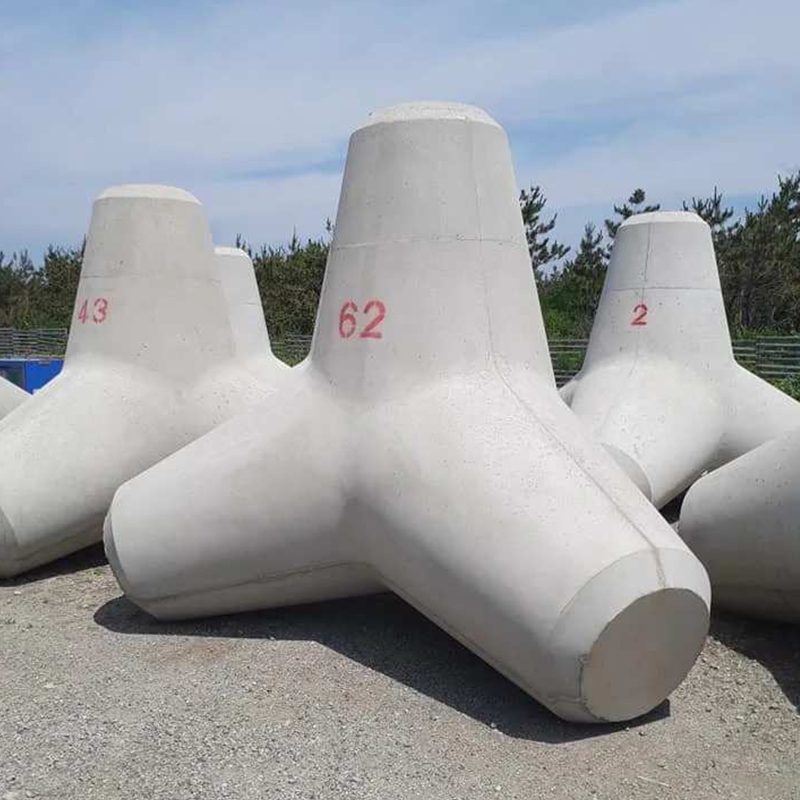
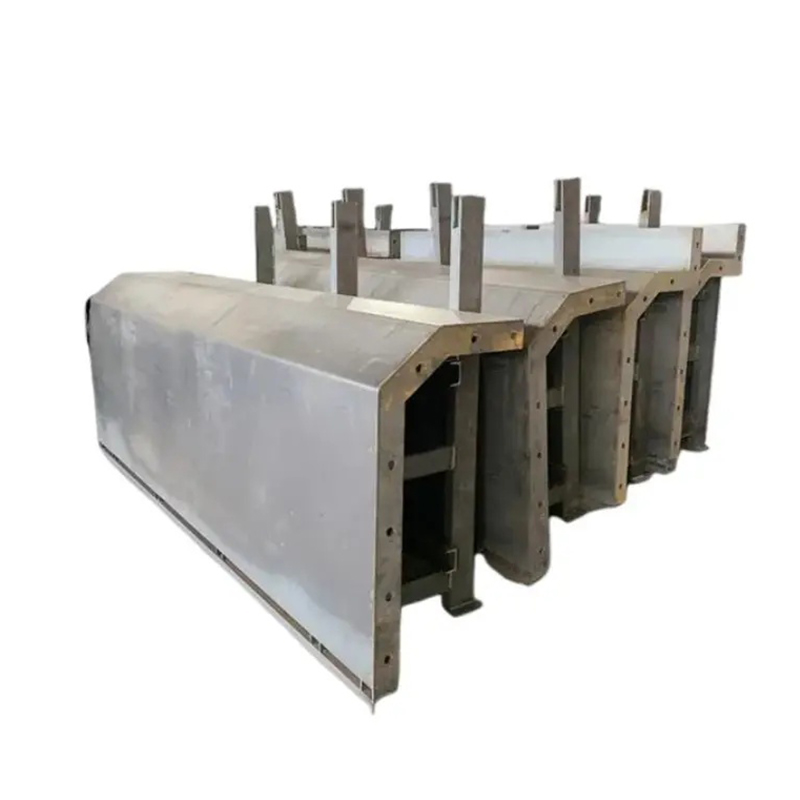
Tetrapod Formwork/Mold is a specialized steel casting system developed for producing interlocking concrete tetrapods. These four-legged concrete units are widely used in permeable breakwaters, seawalls, coastal erosion control works, riverbank protection, and artificial reef projects. The formwork controls the final geometry of every unit, allowing contractors to manufacture strong, dimensionally consistent blocks that can be placed in a stable, naturally interlocked arrangement.
Unlike ordinary block molds that produce simple cubic or rectangular units, tetrapod molds are designed around hydrodynamic performance. Their unique geometry helps dissipate wave energy, reduce direct reflection, and create a porous protective layer. When correctly manufactured and installed, tetrapods can form a flexible armor system that works with the movement of water rather than attempting to create an entirely impermeable wall.
This article explains the structure, performance advantages, manufacturing process, quality-control methods, applications, maintenance requirements, and purchasing considerations associated with professional tetrapod formwork. It also examines how advanced laser cutting, robotic welding, reinforced steel construction, and standardized production systems improve mold accuracy and service life.
1. What Is Tetrapod Formwork?
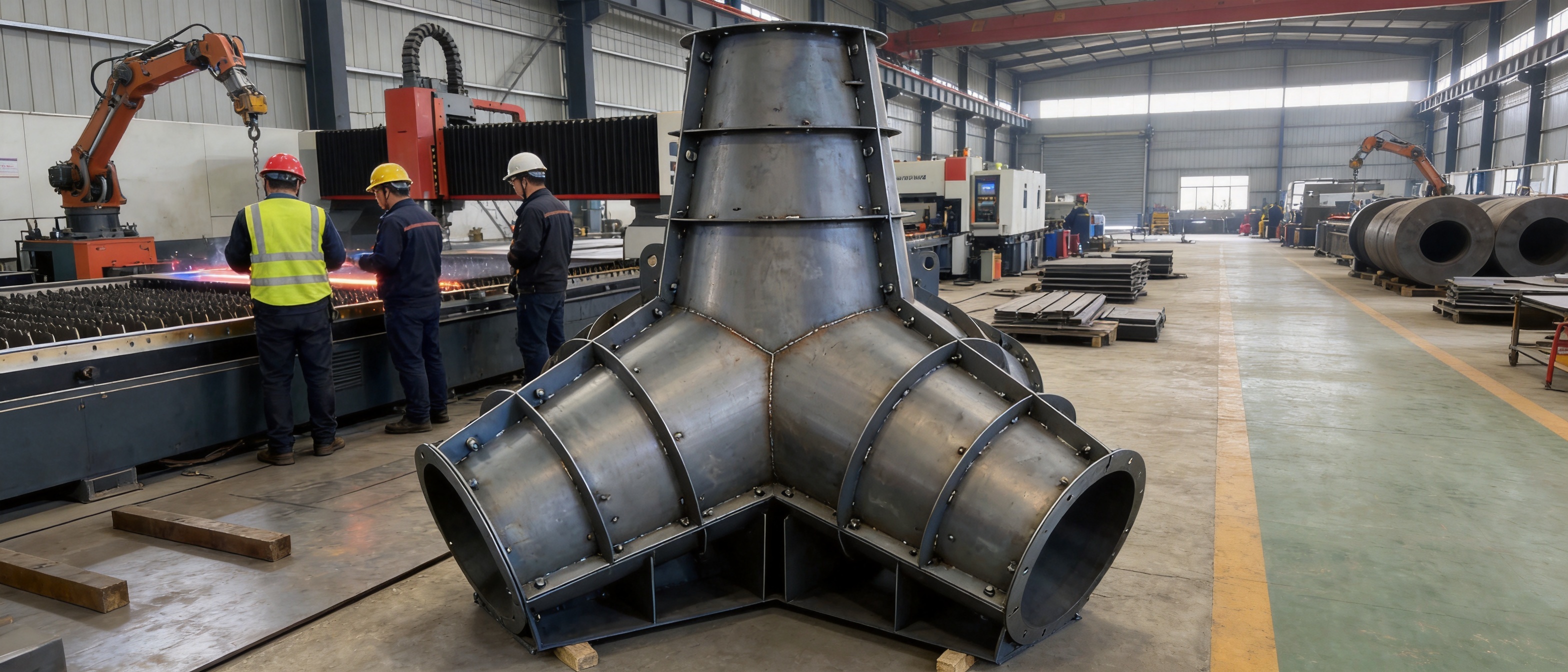
Tetrapod formwork is a reusable steel mold used to cast four-legged concrete armor units. The mold is manufactured from precisely cut steel plates, reinforced ribs, connection components, and demolding elements. Once assembled, the internal cavity reproduces the required tetrapod profile. Concrete is poured into the mold, compacted, cured, and then released after reaching the appropriate demolding strength.
The term “tetrapod” refers to the four-leg configuration of the concrete unit. Each leg extends from a central body, creating a three-dimensional shape that can interlock with adjacent units. The geometry is engineered to distribute contact points and prevent the blocks from easily sliding or overturning under wave and current forces.
A professional mold must do more than simply create the approximate shape of a tetrapod. It must maintain consistent dimensions from one production cycle to the next, prevent grout leakage, withstand repeated vibration, support rapid opening and closing, and remain stable under the mechanical stresses of a precast concrete plant. These requirements make the formwork a precision industrial product rather than a basic welded container.
The internal surfaces, joint lines, lifting points, hinges, locking systems, and external reinforcement all affect the quality of the finished concrete unit. If any of these details are poorly designed, the result may be dimensional variation, surface defects, sticking during demolding, excessive maintenance, or premature mold deformation.
2. Why Tetrapod Geometry Matters in Coastal Engineering
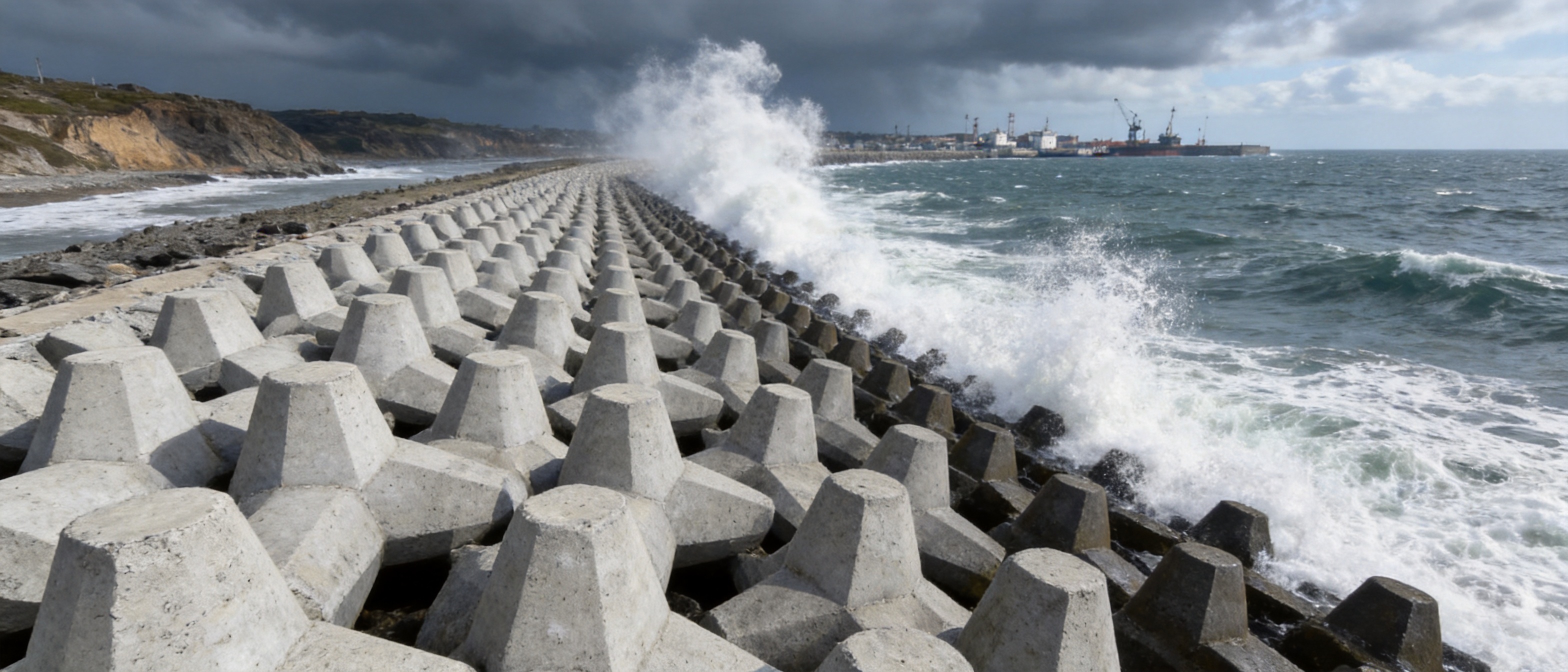
A conventional solid wall reflects a significant portion of incoming wave energy. While a wall can protect a shoreline, high reflection may contribute to scour at the toe, turbulence near the structure, and unfavorable changes in sediment movement. A tetrapod armor layer takes a different approach. Its open arrangement allows water to pass through interconnected voids while the irregular surfaces and multiple contact points dissipate energy.
The four-legged configuration creates a naturally staggered arrangement. When the units are placed together, the legs and central bodies form an irregular but stable protective layer. This arrangement increases surface roughness and reduces the direct transmission of wave force to the underlying core or slope.
The geometric design also helps reduce the risk of progressive displacement. A simple rectangular block may slide when subjected to repeated lateral loading. A tetrapod, by contrast, can engage with several neighboring units. The resulting mechanical interlock improves the stability of the armor layer, particularly when the units are properly sized, placed, and supported by an appropriately designed foundation.
The low center of gravity is another important feature. In the specified design, the center of gravity is positioned at approximately one-third of the edge height. This configuration helps the cast unit settle into a stable orientation. When the mold accurately reproduces the geometry, the finished tetrapod can resist overturning forces more effectively than a poorly proportioned or dimensionally inconsistent block.
Geometric precision is essential because small differences can accumulate across a large protective structure. Variations in leg length, central body dimensions, or connection angles may create uneven contact, weak points, or unexpected gaps. A precision steel mold helps ensure that each concrete unit contributes predictably to the overall performance of the breakwater.
3. Main Advantages of Professional Tetrapod Molds
3.1 Accurate and Repeatable Geometry
The most important advantage of a professionally manufactured tetrapod mold is repeatability. Every production cycle should deliver units with closely controlled dimensions and consistent leg geometry. Laser-cut components and controlled assembly procedures help maintain the required tolerances across the entire mold.
Repeatability allows engineers and contractors to calculate material quantities, lifting loads, storage requirements, transportation capacity, and placement density with greater confidence. It also simplifies quality inspection because the acceptance criteria can be applied consistently to every batch.
Accurate geometry supports the natural interlocking behavior of the finished units. If one leg is significantly longer or a joint is distorted, the unit may not settle correctly against adjacent blocks. Precision manufacturing reduces these deviations and contributes to a more uniform armor layer.
3.2 Efficient Demolding
Tetrapod shapes contain multiple projections and internal angles, so demolding can be more complicated than releasing a conventional rectangular precast unit. A modular formwork design addresses this challenge by dividing the mold into practical sections that can be opened in a controlled sequence.
Polished internal surfaces reduce friction between the mold and the cured concrete. An internal roughness of approximately Ra 3.2 micrometers or lower supports smooth release when combined with proper concrete mix design and release-agent application. The objective is to separate the mold without damaging the edges, tips, or surface of the tetrapod.
Efficient demolding shortens the production cycle. Experienced plant personnel can complete the opening and release process within minutes, depending on the unit size, concrete strength, lifting arrangement, and working conditions. Faster turnover improves the daily output of the precast facility and reduces the number of molds required for a project with a fixed production target.
3.3 Strong Leak-Proof Performance
Grout leakage at mold joints can create fins, honeycombing, surface irregularities, and dimensional defects. Leakage also makes cleaning more difficult and can gradually damage the edge of the mold. Professional tetrapod formwork uses accurately fitted steel sections, reinforced connection points, and controlled welding to minimize gaps.
Laser cutting can achieve cutting accuracy of approximately ±0.1 millimeter under suitable production conditions. This level of precision improves the fit between adjacent components. Robotic or controlled welding helps maintain consistent weld placement and reduces variation caused by manual operation.
When the joint configuration is properly designed, the mold can produce clean concrete surfaces with minimal leakage. This reduces the need for secondary grinding, patching, and repair. It also improves the visual consistency of units used in visible shoreline or public infrastructure projects.
3.4 High Structural Stability
Precast molds are exposed to repeated mechanical stress. The formwork must withstand concrete placement, internal vibration, lifting, opening, cleaning, stacking, and reassembly. A weak frame may twist, develop cracks at the hinges, or lose dimensional accuracy after repeated use.
Tetrapod formwork is reinforced with external ribs and strengthened connection areas to resist these loads. The reinforcement must be positioned according to the stress distribution of the mold rather than added randomly. Properly arranged ribs help maintain the shape of the cavity while limiting deflection during filling and vibration.
Stable hinges, locking devices, and lifting points are equally important. These components determine whether operators can open the mold safely and repeatedly. Strong connection details also reduce the risk of misalignment between mold sections.
3.5 Long Service Life
High-quality tetrapod formwork is designed for repeated production. With proper cleaning, lubrication, storage, and repair, a service life exceeding 500 casting cycles can be achieved under appropriate operating conditions. The actual number of cycles depends on unit size, concrete formulation, vibration intensity, handling methods, maintenance quality, and exposure to corrosive environments.
Long service life improves the economic performance of the project. A durable mold spreads its manufacturing cost over a larger number of concrete units and reduces the frequency of replacement. It is especially valuable for large coastal projects, long-duration construction programs, and rental or leasing operations.
Wear-resistant steel, thickened ribs, carefully protected welds, and replaceable wear components can further increase the useful life of the equipment. A mold intended for intensive production should be evaluated not only by its initial purchase price but also by its cycle cost and maintenance requirements.
3.6 Ecological Compatibility
The finished tetrapod armor layer can provide a more permeable alternative to a fully solid barrier. Depending on the placement pattern and structural design, the open arrangement may produce porosity of approximately 45 percent. These spaces support water exchange and reduce the creation of an entirely sealed interface between land and sea.
Voids between tetrapods can also become habitats for algae, fish, oysters, crustaceans, and other marine organisms. For this reason, tetrapod systems may be incorporated into ecological restoration and artificial reef projects, provided that the project design, materials, and environmental approvals support such use.
It is important to distinguish between ecological potential and guaranteed environmental performance. The actual benefit depends on location, water quality, substrate, species, tidal conditions, and installation design. Nevertheless, the open geometry of tetrapod protection provides useful opportunities for combining coastal defense with habitat improvement.
Tetrapod Formwork/Mold
4. Comparison with Conventional Concrete Block Molds
Conventional concrete block molds are often simpler to manufacture because they consist of flat panels forming a cube, prism, or rectangular unit. Their simplicity can be useful for basic applications, but it does not automatically provide the hydrodynamic or mechanical advantages required for an exposed breakwater.
A cubic block primarily depends on its mass and friction with neighboring blocks. Under repeated wave impact, the block may slide, rotate, or settle unevenly. A tetrapod creates multiple engagement points and an irregular armor surface. This can improve stability when the units are properly designed and arranged.
Simple block molds may also have fewer opening sections, but that does not necessarily mean they provide better productivity. If a block sticks during demolding or requires extensive manual cleaning, the apparent simplicity of the mold may be offset by higher labor requirements. A modular tetrapod design is specifically engineered for release from a complex shape.
The following table summarizes the main differences between a professional tetrapod mold and a basic block-molding system. The exact performance of any coastal protection structure must still be verified through engineering design and site-specific analysis.
| Evaluation Item | Professional Tetrapod Formwork | Basic Concrete Block Mold |
|---|---|---|
| Product geometry | Four-legged, three-dimensional interlocking form | Usually cubic, rectangular, or prismatic |
| Wave interaction | Designed to dissipate energy through roughness and permeability | More likely to reflect wave energy from a solid face |
| Stability mechanism | Multiple contact points and geometric interlock | Primarily mass and surface friction |
| Demolding system | Modular sections designed for complex projections | Often relies on simple panel removal |
| Dimensional control | Laser-cut components and controlled assembly | Varies according to fabrication method |
| Leakage prevention | Close-fitting joints and reinforced connections | Dependent on panel flatness and basic clamping |
| Ecological potential | Open voids can support water exchange and habitats | Usually lower porosity after placement |
| Typical maintenance focus | Hinges, locks, joints, ribs, and release surfaces | Panel alignment, clamps, and edge wear |
| Suitable applications | Breakwaters, erosion control, artificial reefs, and reclamation defense | General precast blocks and less demanding barriers |
5. Advanced Manufacturing Process
5.1 Engineering Review and Mold Design
Production begins with a review of the required tetrapod dimensions, concrete unit weight, project output, demolding method, lifting arrangement, and expected environmental conditions. The formwork must be designed around the finished product, the available precast equipment, and the intended production cycle.
Important design inputs include the overall length of each leg, central body dimensions, draft angles, opening direction, joint positions, reinforcement layout, connection type, and access for cleaning. The mold must also provide sufficient clearance for concrete placement and vibration.
For custom projects, the manufacturer may prepare engineering drawings and three-dimensional models before fabrication. These documents help the customer confirm the product size, mold segmentation, lifting points, connection details, and interface with plant equipment.
5.2 Steel Material Selection
The steel used for tetrapod formwork must combine strength, weldability, dimensional stability, and resistance to repeated wear. The selection depends on the mold size, expected number of cycles, handling method, and project budget.
Structural steel is commonly used for the main panels and reinforcing framework. Areas exposed to repeated abrasion, such as edges, contact surfaces, and lifting interfaces, may require additional thickness or wear-resistant treatment. In corrosive coastal environments, surface preparation and protective coating are particularly important.
Material certificates and incoming inspection records help verify the steel grade, thickness, and condition before cutting. Controlling the raw material stage reduces the risk of hidden defects that could affect welding quality or long-term dimensional stability.
5.3 CNC and Laser Plate Cutting
Precision cutting is one of the most important steps in producing a high-quality mold. Computer-controlled cutting equipment follows the approved digital drawings and creates panel profiles, ribs, flanges, brackets, and connection plates.
Laser cutting provides narrow kerfs, clean edges, and consistent dimensions. When the equipment is correctly calibrated, cutting accuracy can approach ±0.1 millimeter for suitable components. Clean cut edges reduce the amount of grinding required before assembly and improve the fit between connected parts.
Cutting records and first-piece inspections should be used to confirm critical dimensions. Particular attention should be given to mating edges, hinge plates, locking slots, and the sections that define the tetrapod’s legs and central body.
5.4 Forming and Component Preparation
Some mold components require bending, rolling, or controlled forming after cutting. The forming process must avoid excessive deformation and preserve the designed angles. Incorrectly formed panels can create internal dimensional errors even when the original cutting process was accurate.
Before welding, each component should be deburred, cleaned, and inspected. Sharp edges and loose scale can interfere with fit-up and create hazards for operators. Proper preparation also supports stronger and more consistent welds.
5.5 Fixture-Based Assembly
Complex formwork should be assembled with suitable fixtures, templates, or positioning equipment. Fixtures hold the components in their intended relationship during tack welding and final welding. They reduce cumulative errors and help maintain symmetry between corresponding sections.
Fixture-based assembly is especially useful for tetrapod molds because the shape contains several intersecting axes. If one section is positioned incorrectly, the error may affect the alignment of the entire cavity. Controlled assembly makes it easier to verify the geometry before permanent welding.
5.6 Robotic and Certified Welding
Welding quality directly influences mold strength and service life. The frame must resist vibration, repeated opening, impact during handling, and localized loads around hinges and locks. Inconsistent welding can lead to distortion, cracks, or premature fatigue.
Robotic welding can provide stable travel speed, repeatable weld size, and consistent positioning on suitable components. Manual welding remains important for complex corners, difficult access areas, and customized details. The critical requirement is that both automated and manual welding follow controlled procedures.
Certified welding practices based on recognized AWS and EN principles provide a structured approach to welder qualification, welding procedure control, inspection, and defect management. Depending on the project requirements, inspection may include visual examination, dimensional checks, and nondestructive testing of selected welds.
5.7 Grinding and Internal Surface Finishing
After welding, the internal cavity is inspected and finished. Excess weld spatter, sharp projections, and irregularities are removed. The internal surface should be smooth enough to support clean demolding and minimize concrete adhesion.
Surface finishing is not merely a cosmetic process. A rough or damaged cavity can tear the concrete surface during release, trap cement paste, and increase cleaning time. Consistent finishing also helps maintain the intended geometry at the mold joints and corners.
5.8 Trial Assembly and Dimensional Inspection
Before shipment, the mold should be fully assembled in the factory. This trial assembly confirms that the panels, hinges, locks, lifting points, and reinforcement sections work together as intended.
Dimensional inspection should cover the overall cavity size, leg lengths, central body dimensions, opening clearances, connection alignment, and flatness of relevant surfaces. Measurements should be compared with the approved drawings and recorded for traceability.
Where practical, a trial concrete casting can provide additional evidence of performance. It can reveal demolding issues, leakage paths, surface defects, or interference between the mold and the plant’s handling equipment. Early correction is less expensive than discovering a problem after the mold reaches the project site.
5.9 Surface Protection and Packaging
Steel formwork must be protected during storage and transportation. Surface preparation may include cleaning, removal of oil and scale, primer application, and application of a suitable protective coating. Internal release surfaces should be treated according to the customer’s operating requirements.
Hinges, locks, machined edges, and lifting points require special protection because damage in these areas can affect assembly and safety. The mold should be secured against movement during transport, with vulnerable projections supported and protected from impact.
Clear identification marks, component labels, assembly drawings, and maintenance instructions simplify installation at the customer’s facility. Good packaging reduces the risk that a precision product will arrive with avoidable deformation or coating damage.
6. Manufacturing Strengths of an Experienced OEM Supplier
A capable OEM supplier offers more than a finished steel mold. The value lies in the ability to translate a project requirement into a manufacturable, inspectable, and maintainable product. This requires engineering coordination, material control, processing capacity, welding expertise, and reliable project management.
An integrated heavy-metal fabrication facility can support laser cutting, plate processing, bending, assembly, welding, finishing, and inspection within a coordinated production system. This reduces dependence on multiple subcontractors and improves communication between design and manufacturing teams.
Standardized production lines help maintain consistency between batches. They also make it easier to reproduce a mold design for a large project requiring many identical units. Standardization does not eliminate customization; instead, it provides a stable manufacturing foundation for adapting dimensions, opening systems, connection details, and reinforcement layouts.
Advanced OEM manufacturing is especially valuable when the customer requires non-standard tetrapod sizes, special lifting arrangements, unusual concrete production conditions, or compatibility with existing plant equipment. A supplier experienced in large steel structures can evaluate these requirements and adjust the design accordingly.
6.1 Experience with Large Infrastructure Projects
Experience with bridges, tunnels, industrial structures, power facilities, and coastal infrastructure develops the quality discipline required for heavy-duty formwork. Large projects demand traceability, dimensional control, delivery coordination, and documented inspection.
A manufacturer that has supplied major infrastructure contractors understands that formwork is part of a larger construction system. Delayed molds can interrupt concrete production, lifting operations, transport planning, and site installation. Reliable production scheduling is therefore an important part of product performance.
6.2 Quality Management
A formal quality-management system supports consistency across the entire production process. Quality control should begin with material verification and continue through cutting, forming, welding, assembly, inspection, coating, packaging, and shipment.
Useful quality records may include raw-material certificates, cutting inspection reports, welding records, dimensional inspection sheets, coating inspection results, photographs, and final acceptance documents. These records help the customer verify compliance and simplify future maintenance or replacement orders.
6.3 Patent and Process Development Capability
Manufacturers with a history of utility patents and process development are often better positioned to improve mold opening systems, locking devices, reinforcement layouts, lifting interfaces, and production efficiency. Innovation in formwork is not limited to the shape of the concrete unit. Small improvements to operation and maintenance can create significant savings over hundreds of cycles.
Process development may also focus on reducing weld distortion, improving internal finishing, simplifying cleaning, and increasing the repeatability of modular components. These improvements directly support productivity at the precast plant.
7. Applications of Tetrapod Formwork
7.1 Coastal Breakwaters
The primary application is the production of concrete units for breakwaters. Tetrapods can be placed along the seaward face, crest, or slope of a designed structure to create a rough and permeable armor layer. The arrangement helps reduce wave energy and protect the underlying fill, core, or structural layer.
The final performance depends on unit size, slope angle, placement method, wave climate, foundation preparation, and the design of the entire breakwater. The mold provides the consistent units required by the design but does not replace marine engineering analysis.
7.2 Shoreline Erosion Control
Coastal erosion can threaten roads, buildings, industrial facilities, agricultural land, and public infrastructure. Tetrapod armor may be used as part of a shoreline stabilization system to reduce wave attack and protect the toe or face of a slope.
Proper drainage and foundation preparation are essential. If water pressure builds behind the protection layer or the foundation is undermined, even a strong armor system may experience settlement or displacement. Tetrapod placement must therefore be integrated with filters, toe protection, geotextiles, and slope stabilization measures where required.
7.3 Riverbank and Estuary Regulation
Strong currents in rivers, estuaries, and delta channels can erode banks and destabilize hydraulic structures. Tetrapods can be used in selected areas to protect riverbanks, guide flow, and resist localized scour.
River applications require careful consideration of sediment transport, flood levels, navigation requirements, ice loads where relevant, and changes in channel geometry. The open structure may allow some water exchange while providing a rough surface capable of resisting erosive flow.
7.4 Artificial Reefs and Ecological Restoration
The cavities and gaps formed between tetrapods can offer attachment and shelter zones for marine organisms. For artificial reef projects, the units may be arranged to create habitat complexity and encourage the development of local ecological communities.
Environmental authorities may require specific concrete materials, surface textures, placement depths, and monitoring plans. The mold can be adapted to meet project requirements, but the ecological performance should be evaluated through a site-specific design process.
7.5 Reclamation and Seawall Defense
Newly reclaimed land is vulnerable to wave attack before vegetation, secondary structures, or permanent defenses are fully established. Tetrapod units can serve as a protective outer layer for reclamation seawalls and temporary or permanent coastal defenses.
The armor system helps reduce direct wave impact and protects the reclaimed fill from being washed away. A properly designed toe and filter system remains essential because erosion often begins at the base of a slope.
8. Concrete Production and Mold Operation
8.1 Concrete Mix Considerations
The mold can only perform effectively when paired with a suitable concrete mix. Coastal units are commonly exposed to chloride-bearing water, wet-dry cycles, abrasion, and repeated impact. The concrete should therefore be designed for the required strength, durability, workability, and curing environment.
The mix must be fluid enough to fill the complex cavity without creating excessive segregation. At the same time, it must provide sufficient cohesion to reduce honeycombing around the legs and central body. Aggregate size should be compatible with the smallest sections of the mold and the selected vibration method.
8.2 Mold Preparation
Before each casting cycle, operators should inspect the internal surfaces, joint lines, locks, hinges, lifting points, and external frame. Old concrete residue must be removed without damaging the steel surface. The correct release agent should be applied evenly and in the recommended quantity.
Excess release agent can stain the concrete or interfere with surface quality, while insufficient release agent may increase adhesion and complicate demolding. A consistent preparation procedure improves both productivity and product appearance.
8.3 Assembly and Locking
Modular sections must be correctly aligned before locking. Operators should confirm that all mating surfaces are clean and that the locking components are fully engaged. Misalignment can create leakage, distort the concrete unit, or make opening difficult after curing.
The mold should be placed on a stable and level support system. If the base is uneven, the frame may experience unnecessary stress and the finished unit may not have the intended geometry.
8.4 Concrete Placement and Vibration
Concrete should be placed in a sequence that reduces air entrapment and ensures complete filling of the legs. Excessive or poorly distributed vibration may cause segregation, while insufficient vibration may leave voids and honeycombing.
The appropriate method depends on the concrete mix, unit size, mold design, and plant equipment. Operators should avoid striking the mold with unauthorized tools because repeated impact can damage joints, coatings, or precision surfaces.
8.5 Curing and Demolding
The concrete must reach adequate strength before the mold is opened. Premature demolding can damage leg tips, corners, and surfaces, while excessive waiting time reduces mold turnover and production capacity.
Once the unit is ready, the mold should be opened in the sequence specified by the manufacturer. Lifting equipment must be rated for the combined weight of the formwork and any retained concrete. Personnel should remain clear of pinch points and suspended loads.
8.6 Cleaning After Each Cycle
Cleaning should begin after demolding while residual concrete is still manageable. A suitable scraper or non-damaging cleaning tool can remove buildup from the joint lines and internal surfaces. Aggressive chiseling may deform edges and create future leakage paths.
Locks and hinges should be checked for cement paste contamination. Moving parts should be lubricated according to the maintenance schedule. Early detection of damage prevents minor problems from becoming production interruptions.
9. Inspection and Quality-Control Checklist
A complete inspection program should address both the mold and the finished concrete units. The following items are commonly reviewed during production:
• Verification of steel grade, plate thickness, and material certificates.
• Confirmation of critical dimensions after cutting and forming.
• Inspection of weld appearance, continuity, and reinforcement attachment.
• Verification of hinge movement, lock engagement, and opening sequence.
• Measurement of internal cavity dimensions and leg geometry.
• Inspection for gaps that could cause grout leakage.
• Verification of lifting points and handling accessories.
• Inspection of surface preparation and protective coating.
• Review of trial assembly or trial casting results.
• Inspection of concrete units for cracks, honeycombing, fins, dimensional variation, and damaged tips.
For large projects, inspection documents should be retained throughout the production period. This allows the contractor to identify trends, compare batches, and schedule maintenance before quality declines.
10. Maintenance and Service-Life Management
Long-term performance depends on disciplined maintenance. Even a heavily reinforced mold can be damaged by poor handling, inadequate cleaning, or repeated operation with misaligned components.
10.1 Daily Maintenance
Daily maintenance should include cleaning concrete residue, checking joint surfaces, inspecting locks, lubricating hinges, and looking for abnormal deformation. Operators should report any difficult opening, unusual noise, or visible crack immediately.
10.2 Periodic Maintenance
At scheduled intervals, the mold should be fully inspected for weld fatigue, rib deformation, loose fasteners, coating loss, and wear at contact points. Critical dimensions can be rechecked to determine whether the cavity remains within acceptable tolerances.
Damaged wear plates, hinge pins, or locking components should be replaced rather than repeatedly forced into service. Localized repairs are generally more economical when completed early.
10.3 Storage
When not in use, the mold should be stored on stable supports in a clean and dry area where possible. The internal cavity should be protected from standing water, and moving parts should be lubricated before extended storage.
Coastal or humid storage conditions may accelerate corrosion, especially at welds, edges, and damaged coating areas. Periodic inspection and touch-up painting help preserve the steel frame.
11. Purchasing and Customization Considerations
Before ordering a tetrapod mold, the customer should provide clear information about the finished unit, project output, production equipment, and site conditions. Important questions include:
• What are the required tetrapod dimensions and target unit weight?
• How many units must be produced per day or per month?
• What type of concrete plant and vibration equipment will be used?
• What lifting method is available for the mold and finished unit?
• How many casting cycles are expected?
• Will the mold be used indoors, outdoors, or in a corrosive coastal environment?
• Is the project using standard geometry or a customized design?
• What inspection documents and welding standards are required?
• How will the molds be transported and stored?
Customization may include mold dimensions, modular opening direction, hinge arrangement, locking devices, lifting lugs, reinforcement thickness, coating system, identification marks, and packaging method. The best design balances project requirements with ease of operation and long-term maintenance.
11.1 Cost Evaluation
The lowest initial price does not always represent the lowest total cost. A mold that requires frequent repair, produces inconsistent units, or takes excessive time to demold may create higher labor and project costs.
A more complete evaluation should consider mold price, expected cycle life, concrete productivity, cleaning time, maintenance frequency, replacement parts, transport, and technical support. For leasing operations, durability and easy maintenance are especially important because the mold may be used by different crews under varying conditions.
11.2 Technical Support
Technical support should cover assembly instructions, demolding procedures, maintenance recommendations, spare parts, inspection guidance, and troubleshooting. Clear documentation helps operators use the mold safely and reduces the learning curve when the equipment is delivered to a new site.
12. Why Integrated Heavy Steel Fabrication Matters
Tetrapod formwork is part of the broader heavy-fabrication sector. The same capabilities required to manufacture bridge formwork, tunnel equipment, steel props, industrial frames, and large structural components are valuable in the production of durable coastal molds.
Integrated fabrication allows a supplier to control plate cutting, bending, welding, assembly, and finishing under one quality system. This is important because dimensional errors can transfer from one operation to the next. A well-managed production line identifies these issues early rather than allowing them to accumulate.
Experience with large steel components also improves the supplier’s ability to manage transportation limits, lifting calculations, modular packaging, and site assembly. These practical considerations often determine whether a mold performs efficiently after delivery.
For global contractors, OEM capability provides flexibility. The customer can request a mold based on a proprietary project drawing, a local engineering standard, or an existing concrete unit. The manufacturer can then adapt the steel construction while maintaining controlled production and inspection procedures.
13. Safety Considerations
Safety must be considered during fabrication, transportation, assembly, casting, demolding, and maintenance. Tetrapod molds can be heavy, and their projections create pinch points and lifting hazards.
Operators should use certified lifting equipment with adequate capacity and inspect lifting points before use. The mold must be supported on stable ground during assembly and should never be moved with unsecured sections or partially engaged locks.
During demolding, personnel must stay outside the movement path of panels and clear of suspended concrete units. A defined opening sequence should be communicated to all operators. Unauthorized modifications to hinges, locks, or lifting points can create serious risks and should be avoided.
Personal protective equipment should include suitable gloves, safety footwear, eye protection, and other equipment required by the site risk assessment. Welding, grinding, coating, and concrete operations each require their own safety controls.
14. Project Planning Recommendations
Successful use of tetrapod formwork begins before the mold enters production. Contractors should coordinate mold delivery with concrete material availability, foundation preparation, storage space, lifting equipment, and placement operations.
The number of molds required should be calculated from the target production rate, concrete curing time, demolding schedule, and available working shifts. A high-output project may need additional molds to prevent the casting operation from becoming a bottleneck.
Storage and transport planning are also important because tetrapod units occupy irregular volumes. The project should define how fresh units will be moved, cured, stacked, inspected, and delivered to the placement area.
Where the breakwater is exposed to severe storms or typhoons, the construction schedule should account for seasonal weather windows. Protective works may need temporary stabilization before the complete armor layer is installed.
15. Frequently Asked Questions
Q1: What is the main purpose of tetrapod formwork?
The main purpose is to cast accurate, repeatable four-legged concrete units for breakwaters, seawalls, shoreline protection, riverbank stabilization, reclamation defense, and artificial reef projects. The mold controls the geometry required for natural interlocking and hydrodynamic energy dissipation.
Q2: How is a tetrapod mold different from a regular block mold?
A regular block mold usually produces a simple cubic or rectangular unit. A tetrapod mold creates a complex three-dimensional form with four legs and multiple contact points. The tetrapod geometry is designed to improve interlocking, surface roughness, permeability, and resistance to sliding or overturning.
Q3: Can the mold be customized?
Yes. Customization may include unit size, leg dimensions, opening direction, hinge layout, locking system, lifting points, reinforcement thickness, coating, identification marks, and packaging. Custom designs should be reviewed against the customer’s concrete production and placement requirements.
Q4: How many casting cycles can a tetrapod mold achieve?
A well-manufactured mold can achieve more than 500 cycles under suitable operating and maintenance conditions. The actual service life depends on concrete properties, vibration, demolding technique, cleaning, storage, corrosion exposure, and the quality of periodic repairs.
Q5: What causes concrete leakage from the mold?
Common causes include damaged joint surfaces, poor alignment, incomplete locking, excessive internal pressure, worn edges, or deformation of the steel panels. Accurate cutting, controlled welding, proper assembly, and regular inspection help reduce leakage.
Q6: How can demolding be made faster?
Fast demolding depends on modular mold construction, smooth internal surfaces, suitable release agent, correct concrete strength, proper curing, and an established opening sequence. Operators should avoid forcing the panels or using tools that can damage the cavity.
Q7: Is tetrapod formwork suitable for typhoon-prone areas?
The resulting tetrapod armor system is intended for demanding coastal environments, including areas exposed to severe storms. However, suitability must be confirmed through project-specific hydraulic and structural design. Unit dimensions, placement pattern, slope, foundation, toe protection, and wave conditions all influence performance.
Q8: Can tetrapods be used for artificial reefs?
They can be used in selected artificial reef and ecological restoration projects because the spaces between the units may provide habitat for marine organisms. Environmental requirements, concrete composition, placement depth, and local ecological conditions should be reviewed before construction.
Q9: What steel fabrication capabilities are important for this product?
Important capabilities include CNC or laser plate cutting, controlled forming, fixture-based assembly, certified welding, dimensional inspection, surface finishing, protective coating, heavy-component handling, and suitable packaging. An integrated facility can better control quality across these operations.
Q10: What information should be provided when requesting a quotation?
The customer should provide the required tetrapod dimensions, unit weight, expected quantity, production rate, concrete process, demolding equipment, lifting method, service environment, number of expected cycles, applicable standards, delivery location, and any drawing or customization requirements.
Q11: Can the mold be used for leasing or rental projects?
Yes. A durable modular mold is suitable for leasing when it is easy to inspect, clean, repair, transport, and reassemble. Replaceable wear components and clear maintenance documentation can help maintain performance across multiple users and projects.
Q12: Does the mold itself determine breakwater performance?
No. The mold determines the consistency and geometry of the concrete units, but complete breakwater performance also depends on engineering design, unit weight, placement, foundation conditions, wave climate, slope, filters, toe protection, and construction quality.
16. Conclusion
Tetrapod Formwork/Mold is a precision steel fabrication product designed to support reliable coastal protection construction. By producing accurate four-legged concrete units, it enables contractors to build permeable armor systems that dissipate wave energy, improve interlocking stability, and reduce the risk of sliding or overturning.
The main advantages of a professional system include accurate geometry, fast demolding, strong leak-proof performance, reinforced structural stability, long service life, and potential ecological compatibility. These advantages become more valuable when the mold is used in large-volume production, severe marine environments, long-term projects, or leasing operations.
Advanced manufacturing methods are central to product performance. Laser cutting improves component accuracy, fixture-based assembly controls alignment, certified and robotic welding supports structural strength, and polished internal surfaces promote clean release. Trial assembly, dimensional inspection, surface protection, and documented quality control further improve reliability.
A strong OEM supplier should be able to combine engineering support with heavy steel fabrication, custom design, quality management, and project experience. This integrated capability helps customers obtain molds that are not only robust but also practical to operate, maintain, transport, and reuse.
For contractors planning breakwaters, riverbank protection, shoreline stabilization, reclamation defense, or artificial reef construction, selecting the correct tetrapod mold is an important investment in productivity and structural consistency. When matched with sound marine engineering and disciplined site practices, high-quality tetrapod formwork provides a dependable foundation for durable and sustainable coastal infrastructure.
References
1. American Welding Society. Structural Welding Code—Steel, AWS D1.1/D1.1M.
2. European Committee for Standardization. Welding quality requirements and execution standards for steel structures.
3. British Standards Institution. Requirements and recommendations for scaffold and steel component quality management where applicable.
4. U.S. Army Corps of Engineers. Coastal Engineering Manual.
5. U.S. Army Corps of Engineers. Shore Protection Manual.
6. International Maritime Organization. Guidance on port, harbor, and coastal infrastructure planning.
7. International Organization for Standardization. ISO 9001, Quality Management Systems—Requirements.
8. Coastal engineering literature on rubble-mound breakwaters, concrete armor units, wave energy dissipation, and shoreline erosion control.
9. Technical guidance on marine concrete durability, chloride exposure, precast production, curing, and corrosion protection.
10. Project-specific hydraulic, geotechnical, structural, environmental, and construction specifications prepared by qualified engineering professionals.
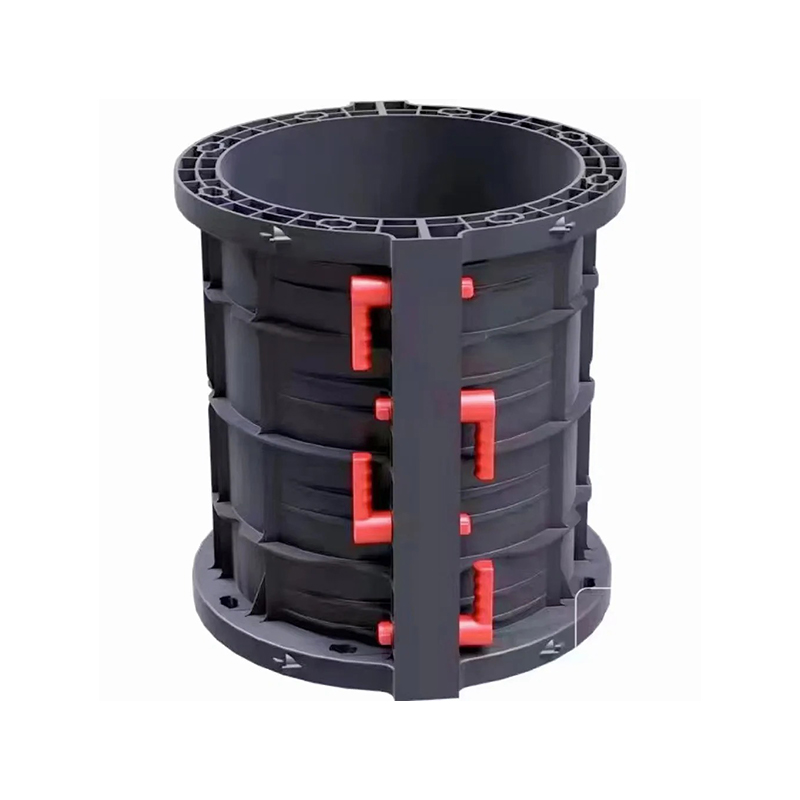
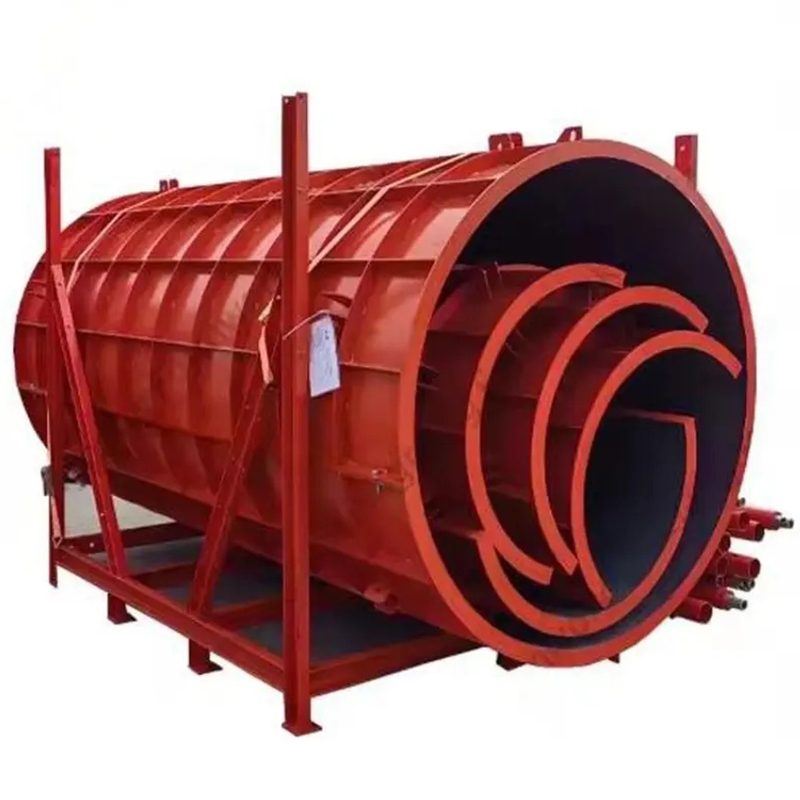
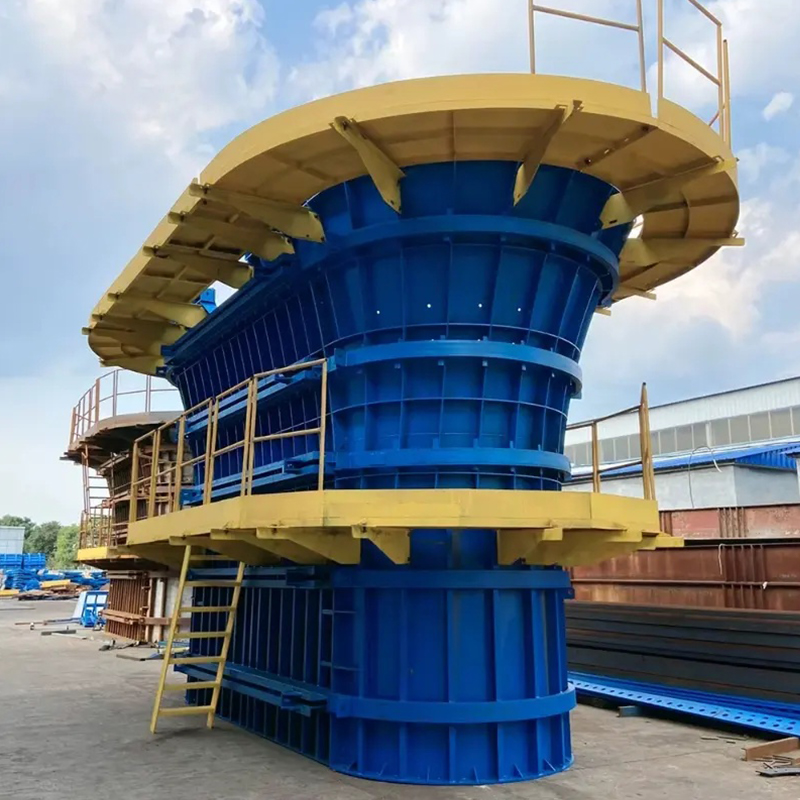
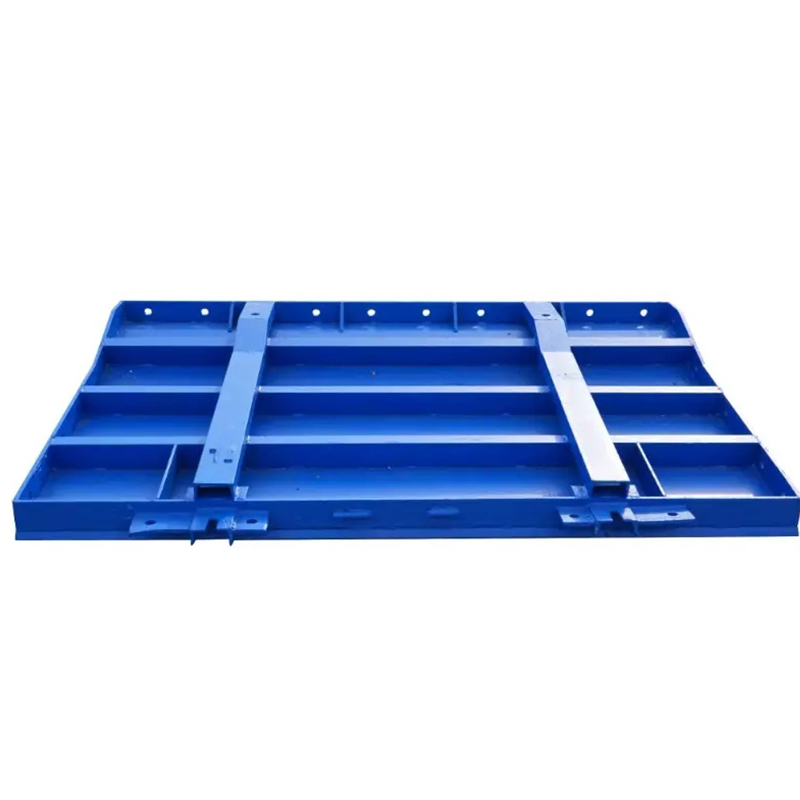
Product: Tetrapod Formwork/Mold



- Location
- Group 3, Fangzhuang Village, Rucheng Subdistrict, Rugao City, Nantong, Jiangsu, China
- Follow us
- Phone
- +86-13646196162
- info@hysonindustry.com
